
Health officials have issued a warning as the annual flu season has arrived earlier than predicted this year. With a spike in cases occurring before the winter peak, taking preventative measures now is more important than ever. From the importance of the flu jab to simple hygiene habits, here is everything you need to know to stay healthy during this early surge.
Across the UK, there’s been an increase in flu cases. Officials have warned that the current flu season may be the worst in years; thus, the NHS, in response, has issued warnings to reduce the spread. If you’re extremely sick, the NHS has issued an urgent UK-wide ‘stay at home’ alert. Furthermore, in a recent post on X, the NHS urged people to “cover your mouth and nose” when coughing and sneezing and even consider wearing a mask.
Flu season has arrived earlier than expected this year. Data from the UK Health Security Agency (UKHSA) confirms that influenza activity rose in late October, weeks ahead of the typical winter surge. Since then it has increased and is now circulating at medium levels. As a result, the number of people coming into A&E attendances for influenza-like illness has increased.
Furthermore, laboratory analysis confirmed that the majority of the influenza viruses were A(H3N2). This subtype is known to cause more severe illness, especially among vulnerable groups.
Let’s examine the H3N2 in more detail:
H3N2 is a subtype of influenza A, and it’s one of the strains that causes the most serious and fast-spreading seasonal flu. Historically, it has been associated with higher hospitalisation rates. This is particularly amongst older adults, young children and people with underlying health conditions.
The virus evolves over time, meaning our immune system doesn’t always recognise it. As a result, H3N2 seasons become more unpredictable and intense throughout the years, with cases happening earlier and at a much sharper rise. Basically, what we are seeing right now. Symptoms are similar to other flu strains (such as coughing, sore throat, muscle aches, and fever). But H3N2 can cause more complications, such as pneumonia, or worsen chronic diseases.

The virus spreads mainly through respiratory droplets from coughing and sneezing. The NHS are asking people to follow their “cover your mouth and nose guidance”, wear a mask and stay home if you’re experiencing symptoms. Additionally, they’re encouraging people to get vaccinated, because it is the best scientifically proven defence to reduce transmission, protect vulnerable groups and reduce pressure on healthcare services.
The Importance of Good Hygiene to Reduce the Spread During Flu Season
Health experts have reported that the virus is spreading quickly, so we all need to be taking simple precautions to stay safe and avoid transmission.
The NHS has advised the following for people:
- Cover their mouths when they cough and sneeze
- Using tissues or your elbows
- Wear a mask if you’re unwell.
- Wash hands regularly
- Ventilate indoor spaces by keeping windows open
- Staying home if you’re experiencing symptoms
Additionally, the NHS is recommending that people get the 2025-26 seasonal flu vaccine. It is the best defence against severe illness and hospitalisation, even with H3N2 dominant. Data estimates that it is 70-75% effective in children ages 2-17 and 30-40% in adults. Thus, the NHS has advised people eligible to get their flu jab now, especially before the full winter peak.
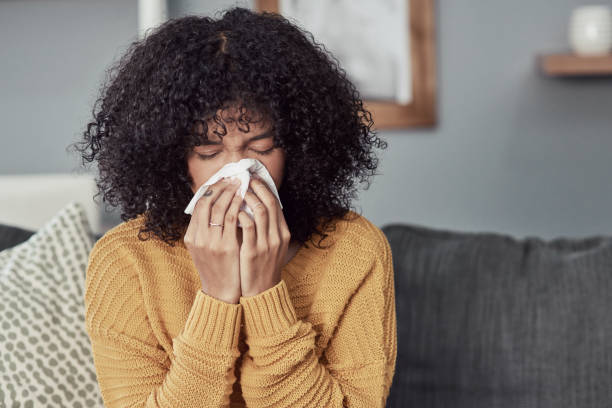
Here’s what you can do to protect yourself and others during Flu season:
- If you’re unwell and experience flu-like symptoms (fever, cough, sore throat, fatigue), stay at home if you can.
- Cover your mouth and nose with a tissue or your elbow when coughing and sneezing. Dispose of tissue immediately.
- If you do have to go while experiencing symptoms, wear a mask.
- Wash your hands regularly or use hand sanitiser. Especially do so after coughing, sneezing or touching shared surfaces.
- Ventilate indoor spaces as well as possible.
- Get your flu vaccine ASAP if you’re eligible.
With the virus spreading so quickly, implementing these small steps can make a huge difference in slowing down the transmission of H3N2. Additionally, it will ensure that you and many others don’t get sick this winter.
Conclusion
Although the flu season is earlier than expected and spreading more rapidly than normal, there’s no need to panic. By following the NHS guidelines and recommendations, you are avoiding and reducing transmission. So even if you think it’s “just a cold”, take precautions to protect yourself and vulnerable people around you.
Thank you for reading, click the link to read more of our Health Articles
