
The Notting Hill Carnival is one of the biggest and most exciting street festivals in Europe. It happens every year in West London and attracts around 2 million people. People from all over the world come to celebrate Caribbean culture. They enjoy music, dancing, food, and colorful costumes. However, the carnival is facing some big challenges this year. There are growing concerns about safety, funding, and whether it can continue in the future.
The Origins and Cultural Importance of Notting Hill Carnival
The Notting Hill Carnival started in 1959. It was created by Claudia Jones, a Trinidadian activist. She wanted to bring people together after race riots in the area. The first event was held indoors at St Pancras Town Hall. It was a way to celebrate Caribbean culture and to bring the community together.
In 1966, the carnival moved outdoors to the streets of Notting Hill. Since then, it has grown into a huge event. It celebrates music, food, and traditions from the Caribbean. Over the years, it has become a symbol of unity and celebration. The carnival is important because it shows the strength and beauty of Caribbean culture. It also helps people from different backgrounds come together to have fun.
The Growing Popularity of Notting Hill Carnival
Over the years, the Notting Hill Carnival has become bigger and bigger. A small community event has grown into a massive festival that attracts people from all over the world. Each year, around 2 million people gather in Notting Hill to enjoy the carnival. It has turned into a global celebration of Caribbean culture.
The carnival is not just a fun event. It has a big impact on the community. Many local businesses benefit from the large crowds. People buy food, souvenirs, and other products. The carnival also brings people together, no matter their background. People of all races and cultures come to enjoy the music, dancing, and food. It’s a place where everyone can have fun and celebrate diversity.
Growing Safety Concerns at Notting Hill Carnival
Despite the carnival’s success, there are some serious safety concerns. The large number of people who attend each year has made crowd control more difficult. This has raised fears about a potential crowd crush. A crowd crush is when too many people are packed into a small space, which can lead to serious injuries or even death.
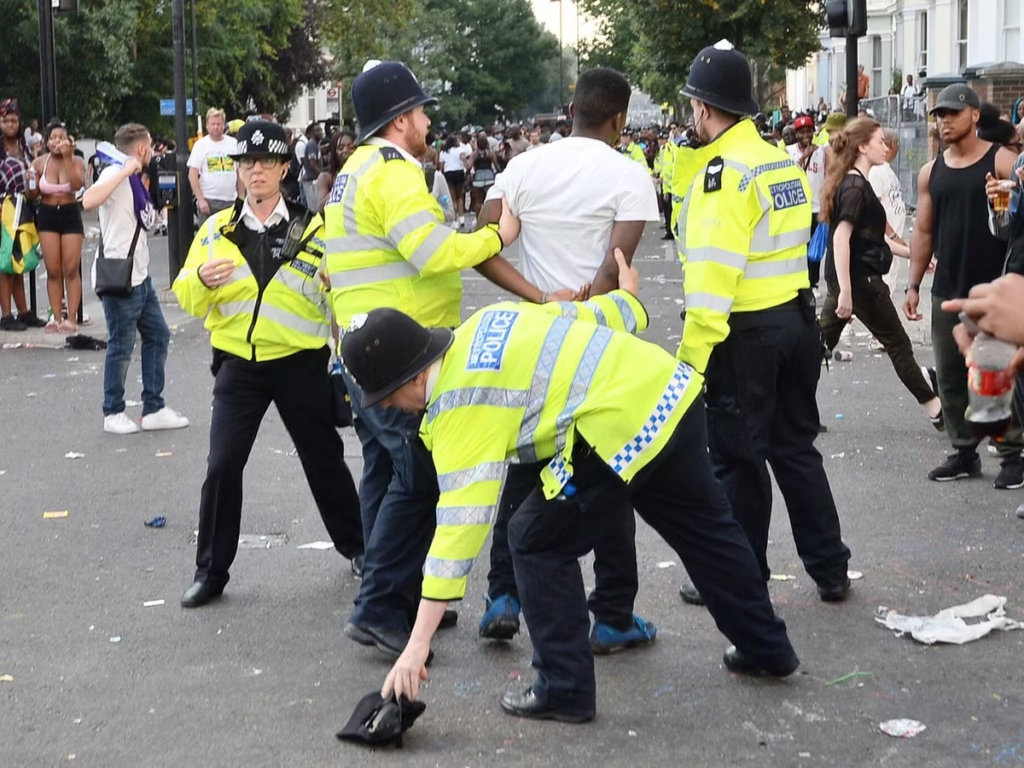
The police and London’s mayor, Sadiq Khan, have expressed worries about the carnival’s safety. They have pointed out that the crowds are getting larger each year. There are fears that if something goes wrong, it could lead to a disaster. The police are especially concerned about crowd density, or how tightly packed the people are.
The event has been marred by violence in recent years, with stabbings and even deaths. This adds to the safety worries. Some people believe that the carnival’s growing size makes it harder to manage, and the risk of an accident increases.
The Need for More Funding to Keep the Carnival Safe
Another big issue facing the Notting Hill Carnival is funding. The organizers have said that without more money, they won’t be able to ensure people’s safety. They need funds to improve crowd management and to pay for more security.
In a letter to the government, carnival chair Ian Comfort asked for urgent funding. He said the carnival’s safety is at risk without it. The Greater London Authority (GLA), along with local councils, has provided support in the past. However, they can’t afford to handle all the safety needs anymore. Without extra money, the event’s future is uncertain.
Solutions to Make the Carnival Safer
To solve these safety concerns, many experts have suggested some changes. One idea is to increase the number of stewards. Stewards are people who help manage the crowd and make sure everyone stays safe. Having more stewards would help direct the crowd and prevent dangerous situations.
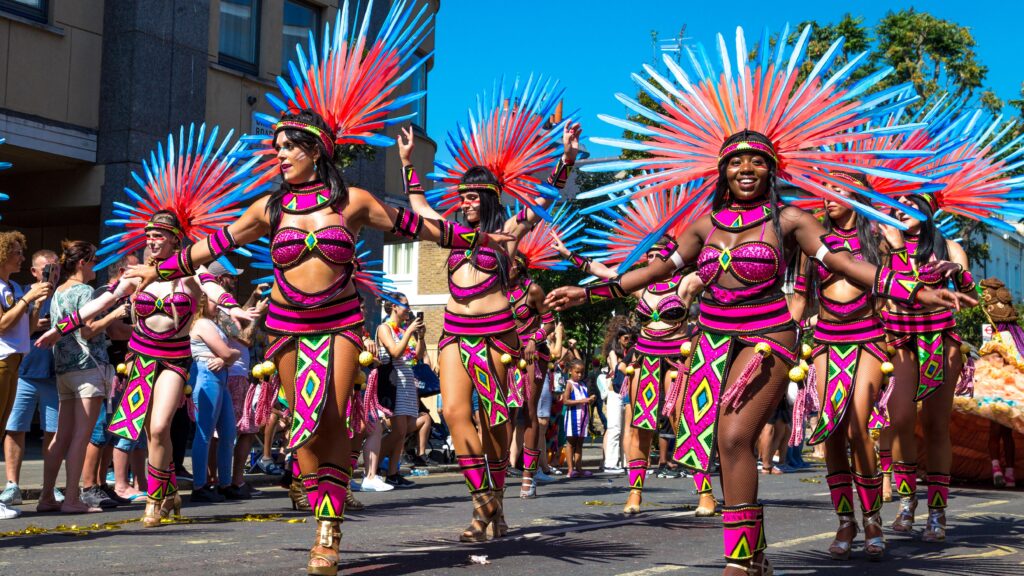
Another idea is to use technology to monitor the crowd. Some people have suggested using drones to watch over the crowds in real time. This would help identify areas where the crowd is getting too dense. If the crowd is getting too big in one place, organisers could redirect people to other areas.
Experts have also said that certain parts of the carnival route need to be redesigned. There are narrow streets where crowds tend to gather and become too tightly packed. By changing these “pinch points,” the risk of a crowd crush could be reduced.
The hope is that the government will step in and provide the funding needed to improve safety without changing the nature of the event. This way, the carnival can continue to be a vibrant celebration of culture and community.
Hopefully, with the right support and planning, the Notting Hill Carnival will continue to thrive for years to come.
Thank you for reading, click the link to read our Most Recent Articles
