
If you want to stand out in the application process, you need a portfolio that’s going to sing your praises. Not just a strong CV.
Learning how to write a good curriculum vitae (CV) is ingrained in us from as young as secondary school. And for good reason! It helps us to understand the art of promoting ourselves and what to include and what not to include in our job applications.
Though portfolio building isn’t entirely the same process. Nor is it something we’re given much advice on. Even though, for many creative industries, it’s a necessity. A benchmark for finding more work. Making new connections and keeping tabs on the experiences you’ve had over the years.
We’ve provided some advice on why portfolios are important and how to start yours today!
What is a portfolio?
For those working in creative industries, or who have a desire to, having a portfolio is essential. Separate from your CV, a portfolio allows you to expand on your creative endeavours, which are sometimes an extension of your main work.
If you’re a multi-faceted artist who tends to extend work opportunities in a range of areas, it doesn’t make sense to bombard all of this information into your CV. That’s why portfolios exist. For you to be able to highlight different areas of your expertise and gain more experience and industry connections through this accumulation of work.
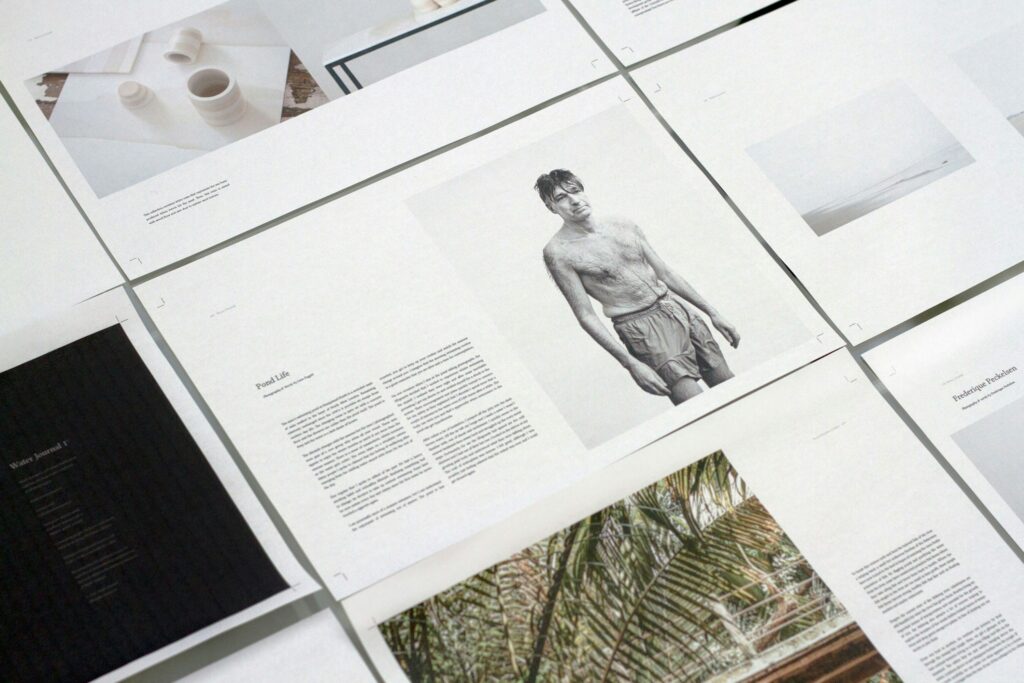
What should you include in a portfolio?
Your portfolio shouldn’t be a copy and paste of your CV. It should include all areas of work you’re most proud of, and ideally, a range of experience. Your portfolio should highlight the services you offer, your contact details, and links to your social media accounts. The latter isn’t an absolute must, but can be helpful with gaining more connections. And thus, more experience.
- Why Is Life Still So Expensive in the UK?
- How AI Is Changing Jobs and the Skills Workers Need
- Online Gaming Safety Is Worrying Parents: How Can Families Protect Children Without Banning Technology?
- Football Spending vs Success: The Truth About Premier League Clubs
- University or Apprenticeship in the UK: How to Choose the Right Path
What if I don’t have experience?
Thinking of making a portfolio, but don’t have any experience yet? That’s literally fine. Use your portfolio as your experience. If you’re an aspiring photographer, build pages of different styles of visual art and upload your work accordingly. If you want to dive into the world of journalism, start your portfolio as an online blog. Create subsections as you see in other established publications, and begin your journey of creating.
Everyone has to start from somewhere, but the key is actually starting.

Which websites are best for creating portfolios?
You’ve probably found a ton of portfolio-style websites already. A major site that is regularly used, but is routinely faulty and ugly to look at, is Wix. Avoid it where possible.
If you want strong portfolio recommendations, the few that stand out are:
- Canva: This has a completely free interface that allows you to create a website that you can also download. Which is super helpful, since some job applications expect PDF portfolio files
- Journo Portfolio: JournoPortfolio enables you to create a website and publish it entirely free. However, there are a couple of restrictions. You can only have a certain number of pages and articles published. Alternatively, you can create a website here, with subscriptions for as little as £9 p/m
- LinkTree: This is a perfect place to build a portfolio if you like to keep things short. LinkTree has free and paid subscription options. and is structured as a vertical website, for a phone viewing of around 9×16. Its structure is like a listicle; however, you can add in 1-2 previews of YouTube videos too. It’s definitely a site more suited for written creative work, rather than visual
- Squarespace: This one has a two-week free trial; however, it is definitely more on the pricey side of things. This is because the quality, range in themes, styles and assets are high-brow. Squarespace is a good place to start a website if you’re a visual artist, such as an illustrator, video editor, graphic designer, photographer, etc
- WordPress: It would be a bit weird not to mention the website we use, wouldn’t it… WordPress is a standard protocol for journalistic publications. If you’re looking to pursue a writing career, the more experience you get with this interface, the better chances you stand of impressing your next employer! It’s also not that expensive!
Should my portfolio be downloadable?
A downloadable portfolio or website isn’t integral, but it could separate you from the rest! On rare occasions, job interviews will ask for a portfolio, and it won’t have the option to insert a web link. Instead of spending hours recreating your portfolio in a PDF file, it’s worth checking out the sites where you can download certain pages, or better yet, the full website into a downloadable and shareable file.
Key notes:
- Remember, a portfolio is not the same as a CV. The information shouldn’t be copied and pasted
- Don’t have experience? Use your portfolio as a way to gain it
Become a member at Inside Success to gain mentorship on career advice and hands-on experience.
