
The environment has been in danger for over 30 years, but a new study finds that we should be even more concerned than usual.
Earth is currently experiencing its worst energy imbalance yet. A new report filed by the World Meteorological Organisation (WMO) finds that the temperature of the atmosphere has reached scorching heights. This subsequently has a major effect on the ocean and will consequently see a surge in breakouts of extreme weather conditions. This surge will threaten food supplies and safety resources on a global level.
WMO shared:
“The Earth’s climate is more out of balance than at any time in observed history, as greenhouse gas concentrations drive continued warming of the atmosphere and ocean and melting of ice, according to the World Meteorological Organization (WMO). These rapid and large-scale changes have occurred within a few decades but will have harmful repercussions for hundreds – and potentially thousands – of years.”

How long has Earth been in a climate crisis?
In 2024, the National Aeronautics and Space Administration (NASA) issued a concerning statement about the conditions of the Earth. It claimed that at the time, the drastic increase in temperatures hadn’t been seen in the past 10,000 years. And that the rate it has changed since the 20th century is “unprecedented.” Of course, Earth’s climate is always due to change with each passing decade. But by 2024, it was in a state of true crisis.
- Why Is Life Still So Expensive in the UK?
- How AI Is Changing Jobs and the Skills Workers Need
- Online Gaming Safety Is Worrying Parents: How Can Families Protect Children Without Banning Technology?
- Football Spending vs Success: The Truth About Premier League Clubs
- University or Apprenticeship in the UK: How to Choose the Right Path
During this period, temperatures reached record highs, with the global average surface temperature being 2.32°. A total of 1.29° above what it was in the 20th century. Now, two years later, it’s not looking any better.
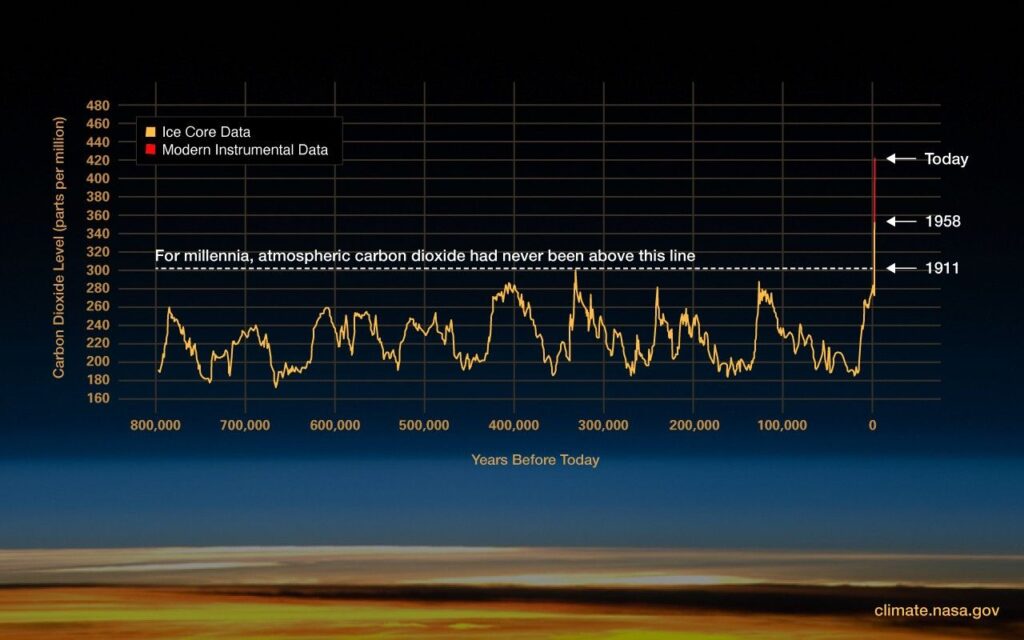
Luthi, D., et al.. 2008; Etheridge, D.M., et al. 2010; Vostok ice core data/J.R. Petit et al.; NOAA Mauna Loa CO2 record.
How does the climate crisis affect the younger generation?
If Earth’s energy balance continues to overload at the pace it’s heading, it will lead to a rapid decline in certainty for the livelihood of the next gen. How can we expect the planet to still be standing comfortably for the youth? If the imbalance continues, it poses a serious danger to the planet’s population. It’s all a vicious cycle that’s constantly threatening the next generation.
What can we do to help the planet?
If you’re reading this section, thinking ‘this feels like a huge responsibility,’ it’s because it is. For decades, society has failed to protect the Earth. Aimlessly taking it for granted and mistreating the energy crisis with fuels that constantly cause detrimental damage. More than ever, it’s our responsibility to do as much as we can to restore balance. If we want to see the younger generation flourish at all, we must protect the planet.
According to Friends of the Earth, a publication dedicated to providing information on ways to protect the planet. There are several ways the younger generation can give back and help begin the journey to restoring the Earth’s balance. Everyone complains that the smaller things don’t matter, but “every little helps”, as Tesco say. Recycling is still one of the biggest issues that, if we can address, will help protect the landfills that end up in our rivers and oceans. Taking fewer planes and using alternative routes that use less emissions. Taking action in your community by joining protests, signing petitions that demand funding from the millionaires and billionaires to help with climate action.
Sometimes when problems are this big, solutions feel terrifyingly out of reach. However, in reality, just doing something to help is better than nothing.
If you’re a young adult who is concerned about climate change and how you will be affected, become a community member at Inside Success. Where you can read more stories about this topic.
