
A new flu, called Cicada, is sweeping the streets of the United States. Here’s what you need to know!
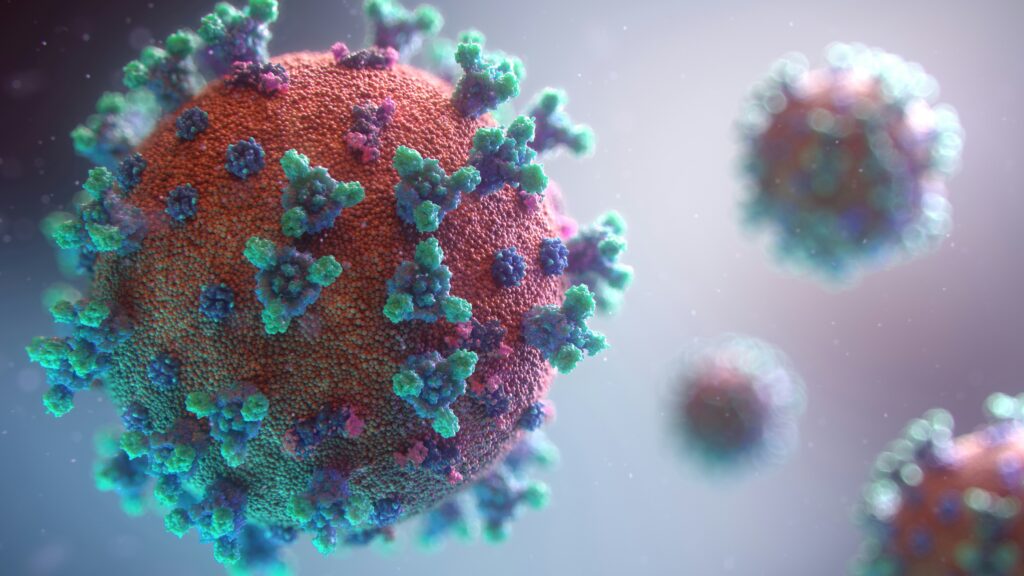
News has broken out that a new variant of COVID-19 has emerged. The medical term for it is SARS-CoV-2 Variant BA.3.2; however, it’s commonly known as Cicada. It’s a new disease adapted from the deadly viruses that killed tens of thousands globally between late 2019 and 2022.
In February this year, the United States (US) Centres for Disease Control and Prevention (CDC) officially declared that the new virus had been detected in various health tests.
“BA.3.2 was detected in nasal swabs from four travellers, three aeroplane wastewater samples, clinical samples from five patients and 132 wastewater samples from 25 U.S. states,” CDC reported.
Since then, the USCDC has said that:
“Monitoring the spread of BA.3.2 provides valuable information about the potential for this new SARS-CoV-2 lineage to evade immunity from a previous infection or vaccination.” Otherwise, confirming that an investigation needs to be taken, for sufficient action to be made to combat the likelihood of the virus spreading further.
What actually is Cicada?
Lead Prescribing Pharmacist at Chemist4U, Ian Budd, exclusively tells Cosmopolitan UK about its official definition.
“Cicada, or BA.3.2, is part of the Omicron family. It’s named the Cicada strain because it is a variant of BA.3, a strain that disappeared for nearly four years, similar to how cicadas [a type of insect] lie dormant.”
- How to Get an Apprenticeship When a Million Young People Have No Job and No Training
- Summer Walker vs Interscope and LVRN: The $50m Contract Fight Every Young Artist Needs to Understand
- Diddy’s LA home raided
- Minimum Wage Set To Go Up By Almost 7% In 2025’s Budget | This Morning
- Who is Hannah Spencer? The plumber-turned-MP who won historic Gorton and Denton by-election
What symptoms should you look out for?
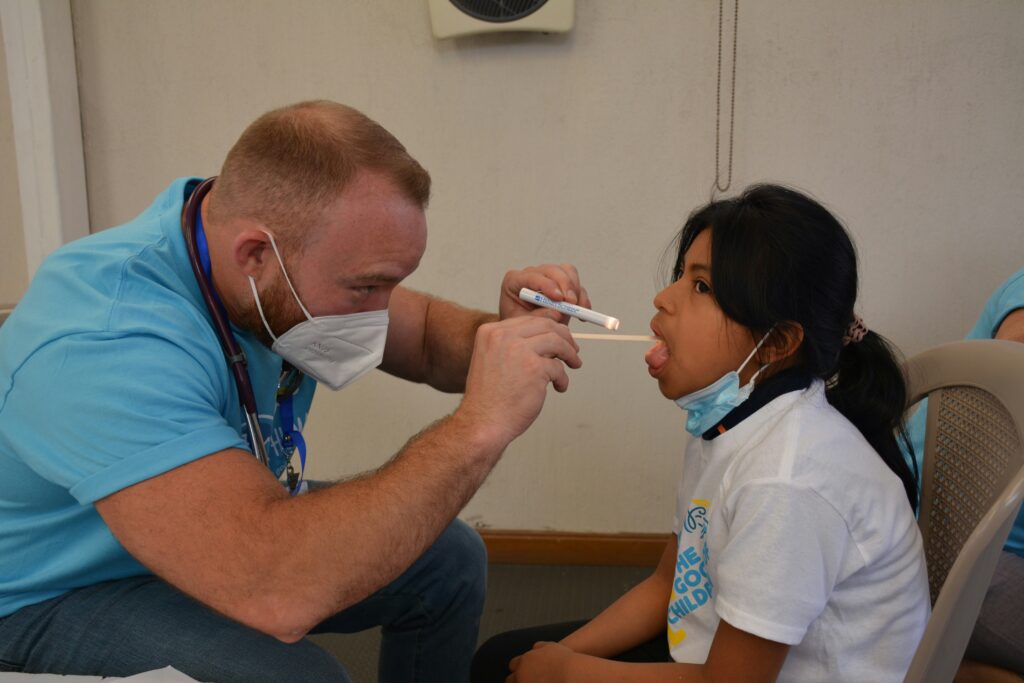
Similar to COVID-19, Cicada has been documented to leave people feeling ill with intense flu-like symptoms. This includes bursts of intense cold and hot sweats, chronic fatigue, headaches, a sore throat, and more.
“Some early reports suggest that a particularly painful sore throat might be more noticeable with this variant, but overall, it’s not presenting in a completely new way,” adds Budd.
If Cicada has broken out in the US, what does this have to do with the UK?
Although the virus has broken out in the US, it is still a cause for concern in the United Kingdom (UK). COVID-19 was officially reported in Wuhan, China, in November 2019. It took just a few months for it to spread to England, amongst several other areas.
If rapid action is not taken, the outbreak of Cicada will become a cause for concern everywhere. While the symptoms currently resemble those of the 2019 virus, there is much more for scientists and doctors to uncover about it. Additionally, since it is in the same family as COVID-19, it goes without saying that the potential harm it can cause is astronomical.
What are scientists and health practitioners doing to reduce the spread of Cicada?
CDC are currently investigating three areas of the virus. Firstly, the transmissibility, i.e. how quickly it spreads. Secondly, the immune evasion. This refers to understanding how and why the virus can bypass certain immunity. And lastly, the clinical impact. What is the official severity of the illness? What impact can it have? How deadly is it?
What to do if you’re showing signs of Cicada?
Immediately reach out to your general practitioner (GP). If you’re wary about any flu symptoms, wear a face mask when you’re in public or around large groups. Take as much rest as is feasible for you. If you’ve done all of the above and still feel unwell and unsure, double-check with your doctors that you have all the relevant flu injections you need.
To stay up to date on health updates, join our membership programme. Where you can join a community of young adults seeking career advice, mentorships and more.
Staying Calm and Staying Informed
The response to news of a new variant is to stay informed without panicking. The facts are reassuring in one respect: scientists are watching Cicada closely. The CDC is investigating three areas of the virus, starting with how quickly it spreads, and monitoring whether BA.3.2 can evade immunity from a previous infection or vaccination. That monitoring lets health services act early if needed. For readers, the advice is simple: know the signs, which are intense flu-like symptoms, with early reports suggesting a particularly painful sore throat may be more noticeable, and contact your GP immediately if you are showing signs.
The article reminds readers that what happens in the US matters here: although the virus has broken out in the US, it is still a cause for concern in the United Kingdom, and if rapid action is not taken it could become a cause for concern everywhere. If in doubt, wear a face mask in public, as the article advises, and stay up to date on health updates. Looking after your wellbeing matters too: read our guide to health and energy for long-term success, and our look at whether social media is helping or hurting your mental health.
