
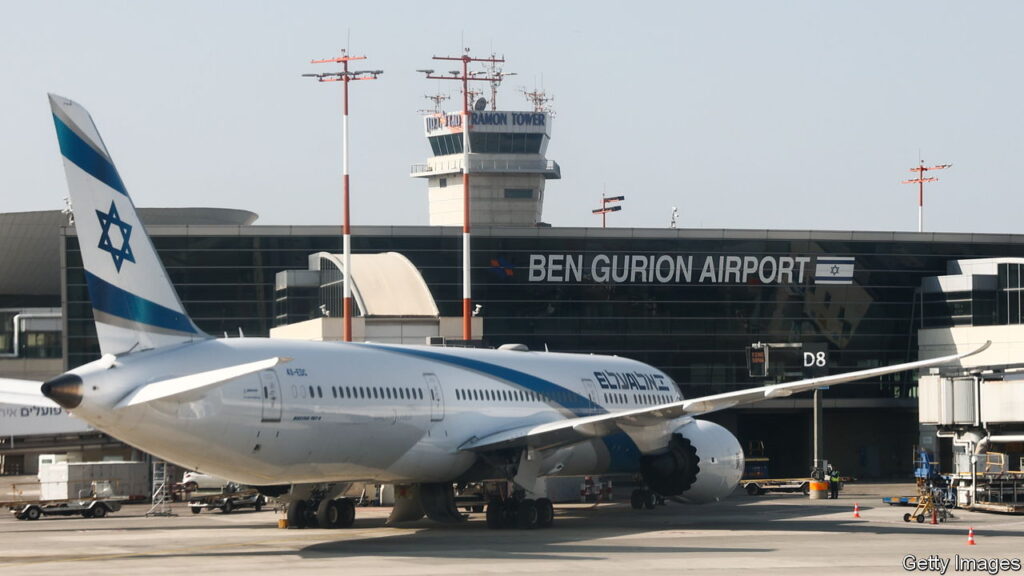
The Middle East’s tensions have boiled over. It’s affecting the travel plans of many people around the globe. Airlines have cancelled flights to Israel. Many now wonder what this means for their summer trips.
The rising tensions in the Middle East have upset the travel industry. Major airlines are grounding flights to Israel left and right. Many young travellers feel frustrated and disappointed. Cancelled dream trips and disrupted study plans caused this. But what’s going on? Why are airlines cancelling flights, and what can you do if your travel dreams have been dashed?
Why are flights being cancelled?
So, what’s causing all this flight chaos? The short answer is escalating tensions in the Middle East. It’s a complex situation, but here’s the gist.
Recently, a high-ranking Hamas political leader, Ismail Haniyeh, was assassinated. This has sparked outrage and threats of retaliation, particularly from Iran. Airlines fear attacks or disruptions in the region. They don’t want to risk their passengers or crew. It’s a precautionary measure, a way of saying, “Let’s wait until things calm down a bit.”
This isn’t the first time flights to Israel have been disrupted. The region has a history of conflict. Airlines often have to adjust their schedules when things get heated. It’s frustrating for travellers, especially those with long-awaited plans. But, safety is the top priority. It’s a tough balance. We must keep the skies open and ensure everyone’s safety.
Which airlines are affected?
It’s a long list, and it includes some of the biggest names in the industry.
- Major US airlines affected: United Airlines and Delta have grounded their flights.
- European carriers impacted: Lufthansa has suspended its services.
- Air India takes a cautious approach: Flights are halted until late October.
- Other affected airlines: Ryanair, LOT Polish, and Aegean Airlines. They have grounded flights to Israel.
- Domino effect: Each cancellation causes further disruption and uncertainty for travellers.
Why is this such a big deal for young travellers?
Maybe you were taking a gap year and had planned to explore Israel. Or perhaps you were going on a school trip or a summer course. Maybe you just wanted a cheap beach holiday. Whatever your plans were, they’re probably on hold now.
It’s normal to feel disappointed or even angry. You’ve probably been looking forward to this trip for ages. And now, you might have to change your plans completely. That’s stressful, and it can cost you extra money too.
But safety comes first, right?
Absolutely. Airlines have a responsibility to keep their passengers safe. They don’t want to fly into a dangerous situation. It’s not their fault that things are a bit complicated in the Middle East right now. They’re just trying to do the right thing.
So, what can you do if your flight is cancelled?
First things first, don’t panic! Here’s what you can do:
- Get your money back: Call your airline or travel agent right away. They should give you a full refund, even if you booked a non-refundable ticket.
- Think about a Plan B: If you can, maybe consider going somewhere else instead. There are loads of amazing places to see in Europe.
- Stay informed: Keep an eye on the news, but don’t let it get you down. Things can change quickly.
- Travel insurance: If you’re planning any more trips, think about getting travel insurance. It can help you out in situations like this.
Wider Regional Impacts
The Israel-Palestine conflict, especially in Gaza, is causing regional disruptions. These troubles are affecting flights to nearby countries like Jordan and Lebanon. If you plan to visit these places, check if your flights are running. Some routes may be impacted.
Not all airlines have cancelled their flights. Some are still operating as normal, and the situation is being closely monitored. With any luck, tensions will ease soon, allowing everyone to resume travelling safely. However, it’s crucial to check the latest travel advisories. They may affect your plans.
Keep your chin up!
It’s okay to feel disappointed right now. But don’t let this setback ruin your love of travel. There are still so many amazing places to see in the world. So, stay positive, explore new options, and keep that adventurous spirit alive!
Remember:
- Travel plans can change, but that’s okay.
- There are always other options.
- The most important thing is to stay safe and have fun!
Thank you for reading, click the link below to read more of our Travel articles:
https://insidesuccessmagazine.com/category/travel
Checking Before You Travel: What to Do Next
The most important lesson from this article is that travel plans in a crisis can change quickly. Airlines suspended flights, tour operators cancelled holidays and the UK government advised against all travel to the region, as described above. That means anyone planning a trip should check the latest official advice, the airline’s own updates and their travel insurance before they book or set off, rather than relying on an article written at an earlier stage of events. Flight information, entry rules and safety advice can all change, so a check made weeks in advance may no longer be accurate on the day of travel.
It also helps to have a plan for disruption. Keep copies of booking and insurance details, know how to contact your airline or tour operator, and allow extra time and money for a change of plan. If a flight is cancelled, the article explains that passengers may be offered a refund or a rebooking, and that travel insurance can cover some losses if the policy includes it. The same care applies to other kinds of disruption, as shown in The Recent Bali Volcano Eruption: Travel & Safety Updates, which covers flight disruption and safety advice after a volcanic eruption. For general preparation, our Travel Checklist: Everything you need for the Best Vacation sets out what to arrange before you go. In uncertain times, careful checking and a flexible plan are the best preparation a traveller can make.
