

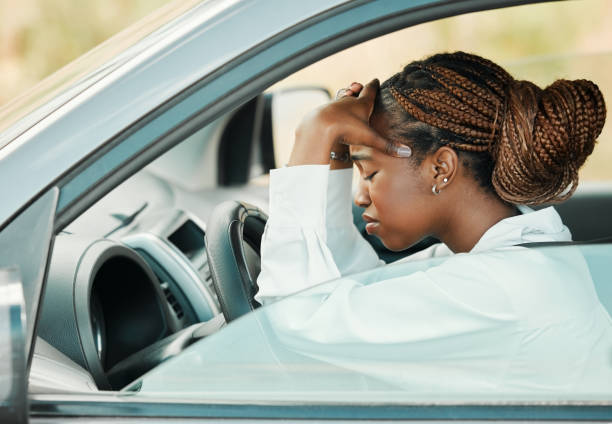
Introduction
Learning how to drive has always been seen as a major milestone amongst young people. Turning 17 and booking driving lessons was a rite of passage to adulting that offered independence, better job opportunities and freedom. However, data shows that in recent years young people are choosing to either postpone these lessons or not get their drivers license altogether.
Few young people have a driver’s license now than 5 years ago
Recent figures show a drastic decline in the number of young people who have a license. An analysis of DVLA data by CarGurus UK showed that between 2018 and 2023, the number of people who have a license dropped by 360,000. This means a drop of 9% in 5 years.
2023 saw a total of 3.54 million young people obtain a license. However, this figure is lower than previous years, like before the pandemic that saw 3.9 million people obtain one. Additionally, reports show that license-holding records for people aged 16-25 years old are at their lowest levels in over a decade.
This isn’t just a short-term glitch but an occurring trend that represents how young people’s perspective on driving has changed.

The number of provisional license holders is higher than ever before
Despite this, many young people in Britain now hold provisional licenses, suggesting that they still have an interest in driving. However, very few end up passing their test and becoming licensed drivers.
For many, the process is delayed due to cost, waiting times or just because driving isn’t a priority. What was once a stepping stone into adulthood now feels like a complicated, expensive and ultimately unnecessary burden.
Cost is the biggest obstacle holding young people back from getting their drivers license
One of the main reasons young people aren’t driving is due to the cost involved. Learning how to drive has become way more expensive compared to over a decade ago:
- The cost of driving lessons averages £35-£45 p/h.
- Insurance premiums for younger drivers in the UK are amongst the highest in Europe.
- The prices for used cars rose sharply after COVID.
- The cost of maintenance, fuel and MOT continues to rise.
CarGurus reported that the cost of a used car is about 37% higher than pre-pandemic levels. This makes car ownership more difficult and driving in general less appealing to young people who perceive it as a financial burden on top of dealing with high rents and living expenses.
For many young adults working in secure work, still in education or struggling to make ends meet, driving is simply out of touch and unaffordable for them.
COVID is still having an effect 6 years later, and in this case, it’s impacted learners
The COVID-19 pandemic had a lasting impact on young drivers across the country. As a result of the lockdown and everyone having to be indoors, driving lessons and tests were suspended for long periods of time. This created a huge backlog that even years later, learners face long waits, particularly for practical tests. These delays increase cost, discourage learners from continuing and overall lose any desire young people have towards driving.

Lifestyle changes mean young people are seeking alternatives to having a drivers license
Beyond practicality, young people are just choosing to live differently.
Government research into young people’s travel habits shows that license holding among 17-20 year-olds has been falling for decades, not just since COVID.
Numerous long-term trends explain this change:
- Urban living: Many young people live in city areas where driving isn’t optimal. Thus, they seek alternatives such as buses, trains or cycling.
- Remote work and study: With most young people either working from home or still in school, their daily commutes are minimal, reducing the need for a car.
- Digital Lifestyles: Some experiences that once required being done in person can be done online (socialising, shopping, entertainment), reducing daily commutes and the need to have a car.
- Environmental Awareness: Younger generations are more aware of emissions and sustainability and how that contributes to climate change, making them less inclined to drive.
Thus, for many, driving is no longer an essential or even something desirable.
What does this mean?
What does the decline in young drivers mean overall? Well, here are some implications:
- Young people may struggle to access jobs that require a license.
- Rural areas will be the most affected, as young people will be drawn to urban areas that provide better transport.
- The public will rely on public transport and shared mobility more, sparking a greater demand.
- Car ownership may be something more concentrated amongst millennials.
This is the new normal for the youth
Conclusively, British youth are less likely to get a driving license compared to previous generations. Whilst the pandemic, increased cost and changing lifestyle contribute to this, to them driving isn’t a universal milestone or a stepping stone to adulthood. It’s a delayed choice, or one they just may never make at all.
Thank you for reading, click the link to read more of our Opinion Articles

Inside Success presents to you our digital platform, created to inform, inspire and empower 16-35s. Through our articles, we aim to bring bold ideas, fresh voices and real conservations to life. From mental health advice, to career information, and fashion tips to social issue debates, Inside Success is proud to have created a platform that has something to cater to everyone.
Leave a Reply
You must be logged in to post a comment.