

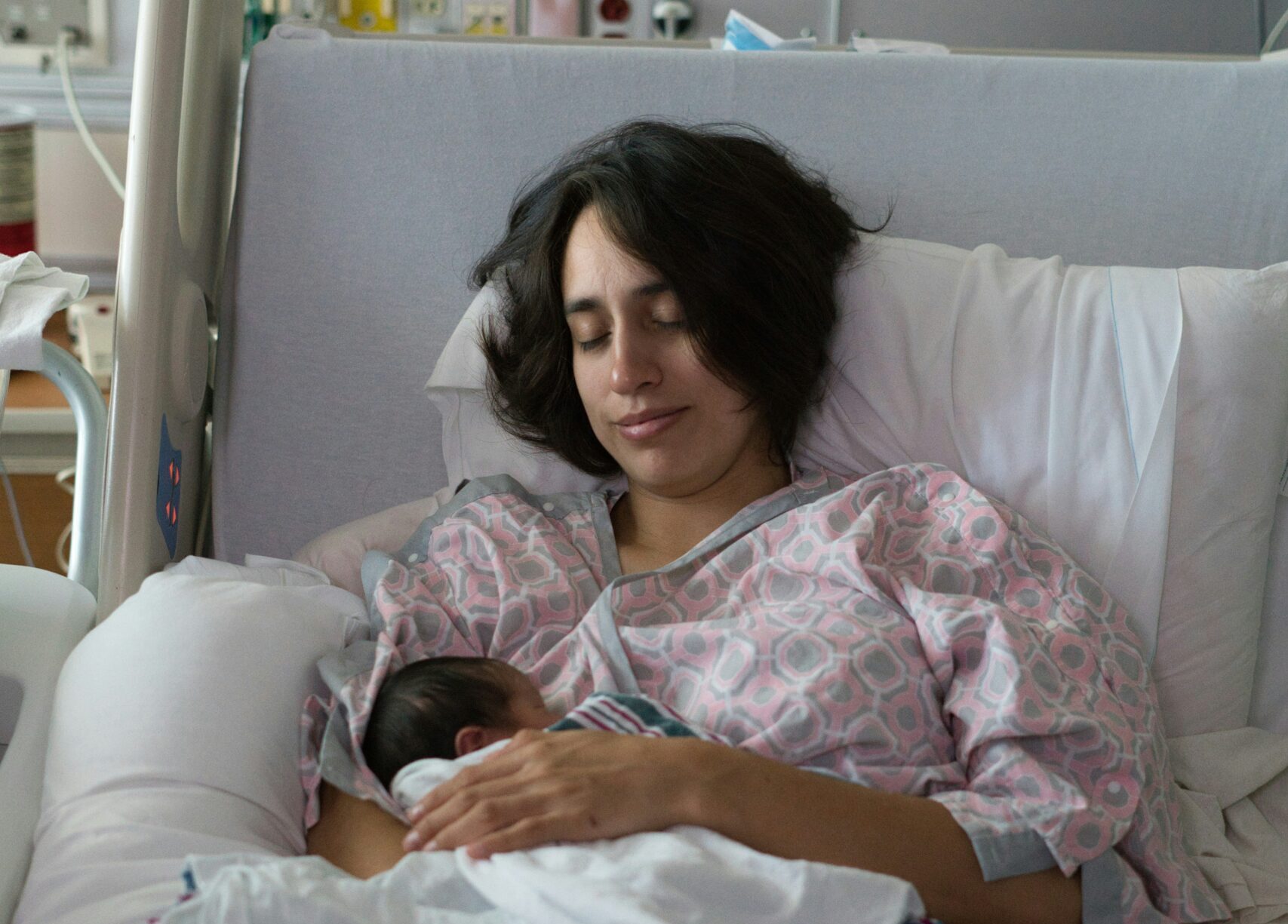
A new report reveals that more women feel like they don’t have a choice in decision-making during childbirth.
Birthrights is an established charity co-founded in 2013 by human rights barristers Elizabeth Prochaska and Rebecca Schiller. It aims to provide support for pregnant women in England throughout each stage of the pregnancy process. Providing a constant cycle of legal advice and support.
The charity shared a new report about how women really feel regarding the treatment they receive in the maternity ward. Gathering responses from 300 patients across England. The report highlights that a large proportion of women do not feel that medical professionals listen to them. Arguing that, more often than not, medical professionals will pressure or coerce them into making alternative decisions.
Understandably, medical professionals are required to adhere to legal medical practice. Which you could see as a counterargument. However, the dismissal of women’s voices and choices during birth care can lead to hostility, lack of trust, or worse, fatal accidents.

The report shared numerous responses from women about their horrible experiences. One lady shares,
“I remember a doctor saying to me: ‘You can choose to have a C-section now, or you can wait a few hours, and I’ll press that buzzer behind your head, and you’ll have one anyway.'”
What message does this send to young women?
Not giving women the space to make decisions about procedures that affect their bodies is dehumanising and unjust. While not all women want kids, how the medical industry treats women in labour is an extremely important topic that all young girls need to be educated on.
The dismissal of their voices spreads the message that women’s opinions aren’t important. Which, under the patriarchy, is a feeling women already struggle with. Additionally, it also suggests that women may have to agree to certain decisions they aren’t comfortable with.
How can medical professionals be more understanding?
Listen. It’s as simple as this. Medical professionals need to engage with their female patients more. Take note of the pains, symptoms, concerns they might flag, because it’s their bodies they’re operating on after all.
What happens next?
According to Gov UK, the Taskforce is set to implement urgent changes in the way the UK’s maternity care works. £25 million has been raised to help tackle the causes of maternal death, improve bereavement facilities and more.
Speaking on the matter, the Secretary of State for Health and Social Care, Wes Streeting, recently shared:
“I ordered an independent national investigation into NHS maternity and neonatal services to make sure families harmed by maternity care get the truth and accountability they deserve.
“…Baroness Amos will deliver on this vital work this June, but to deliver truly meaningful change — so that other families do not face the ordeals too many are already enduring — we must be ready to act swiftly.”

Inside Success is all about providing you with new information on topics that may affect the younger generation. To stay in the loop, sign up for our monthly subscription here.

Laviea Thomas is a journalist at Inside Success who writes about film, music and politics.
Outside of that, she is an experienced freelance journalist with bylines in NME, The Quietus, Metal Hammer and more.
Over the years, Laviea has been an active panellist discussing fundamental conversations in the music industry, such as diversity and inclusion, and the importance of grassroots venues. She has been a panel guest for Kerrang! Focus Wales Festival, Future Yard and more.
Leave a Reply
You must be logged in to post a comment.