

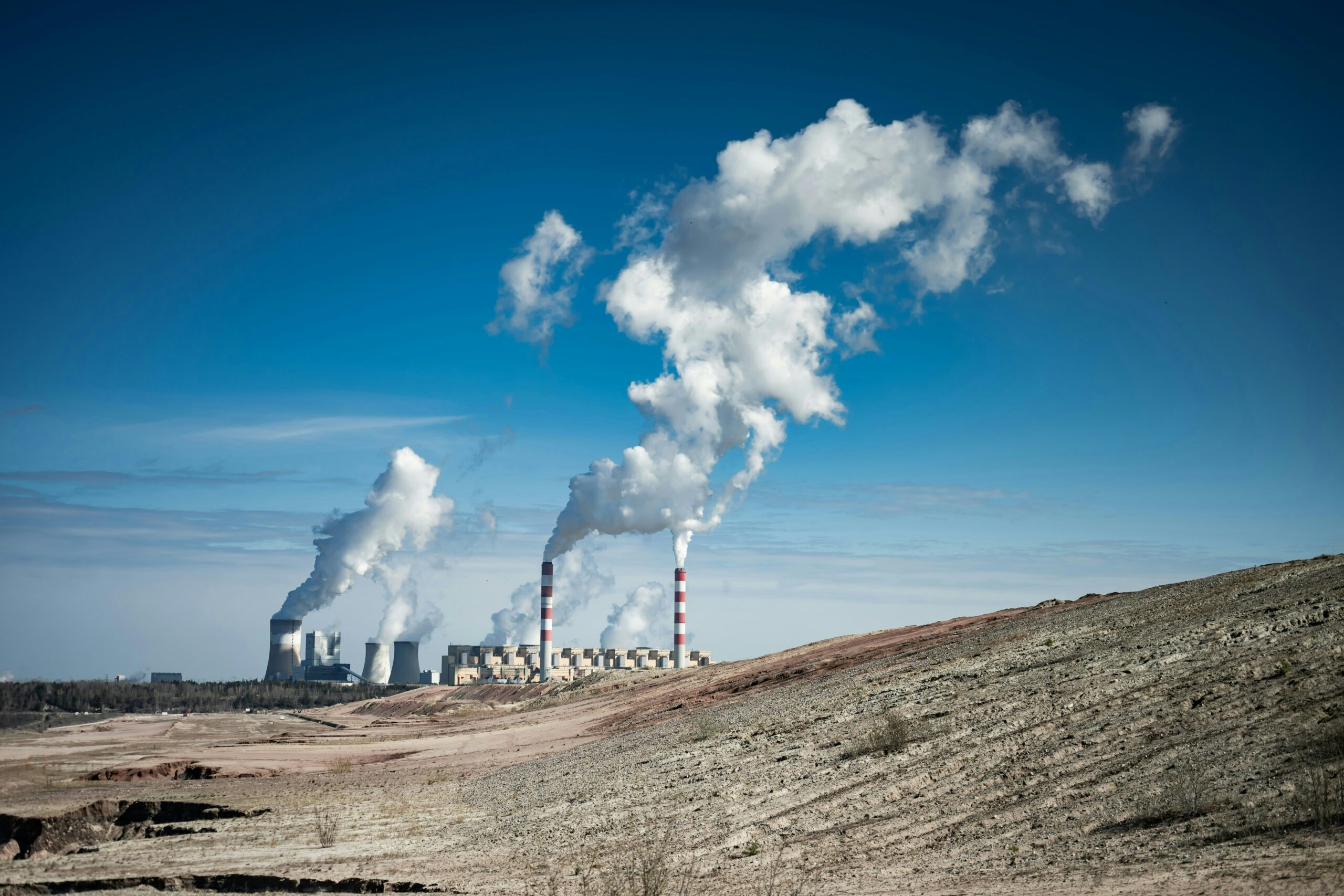
The UK is treading a very thin line and could enter another financial recession.
New reports show that Iran’s missile attacks on Qatar are having catastrophic knock-on effects on Europe and Asia. On Thursday, 19th March, the country carried out a series of air strikes on Ras Laffan’s liquefied natural gas (LNG) factory. This has consequently led to a drastic surge in gas prices globally.
It’s said that it could take up to five years for the UK to recover from this blow. Concerns have already been shared across the block, with energy market traders describing it as an ‘apocalyptic now.’
On 28th February, the United States of America joined forces with Israel for a series of air strikes on Iran. Since then, the two countries have created an official alliance against Iran. Inflicting a war that has been persistent for three weeks.
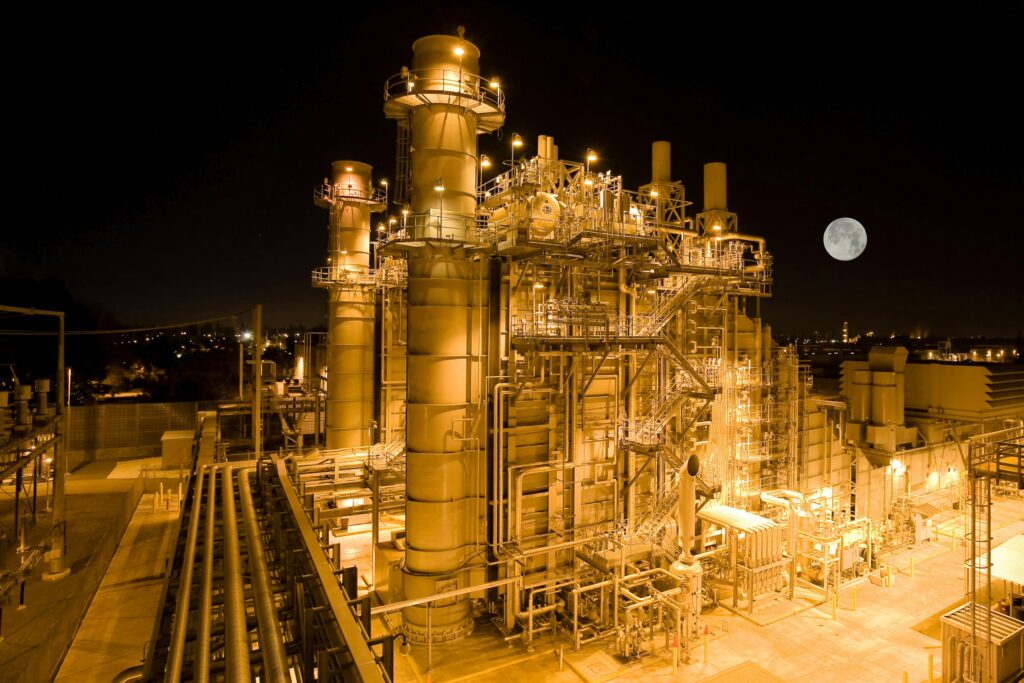
The CEO of Qatar Energy, Saad Sherida Al-Kaabi, has urged that the gravity of the issue be addressed. The attacks have already caused up to $20 million worth of damage. Since the UK gets the vast majority of its gas from the US and Norway, the crisis in Qatar creates a problem. Since this war started, UK gas prices have surged by 20%.

What is the government doing about it?
Chancellor of the Exchequer Rachel Reeves has urged the importance of providing support to low-income families during this period. Additionally, the tax plans she proposed could mean more financial backing for mayors to spend on fixing the economy. Greater governmental support will also need to be put in place for those from working-class backgrounds.
Labour Member of Parliament (MP) and UK Prime Minister Keir Starmer, in alliance with the leaders of France, Germany, Italy, the Netherlands and Japan, said in a statement:
“We condemn in the strongest terms recent attacks by Iran on unarmed commercial vessels in the Gulf, attacks on civilian infrastructure, including oil and gas installations, and the de facto closure of the Strait of Hormuz by Iranian forces.
“We express our deep concern about the escalating conflict. We call on Iran to cease immediately its threats, laying of mines, drone and missile attacks, and other attempts to block the strait to commercial shipping, and to comply with UN Security Council resolution 2817.”
Previously, on Monday, 16th March, Starmer addressed the war in a press conference at Downing Street. He reassured attendees:
“I want to see an end to this war as quickly as possible. Because the longer it goes on, the more dangerous the situation becomes… And the worse it is for the cost of living back here at home.
“…Which is hitting global supplies of oil, of gas and fertiliser, which is pushing up prices here at home. We have already acted alongside other countries to release emergency oil stocks at a level that is completely unprecedented.”
- How To Spot The Internal Engine With This Leadership Litmus Test
- Kanye West Now Banned from the UK Following Wireless Controversy
- What Young Boys with Poor Mental Health Need to Know About Lil Nas X Court Case
- Essential Tips on How to Navigate Being a Freelance Journalist
- Donald Trump Doubles Down on Threats to Iran
How might this energy crisis affect the younger generation?
Several government figures have flagged the colossal impact of this war, leaving a lingering uncertainty for the recovery rate. In 2020, the nation went under due to the rise of COVID-19, forcing the country into lockdown for two years. It’s been four years since the global pandemic, and the UK is still paying for the damage this virus did to its ecosystem.
If the war in Qatar persists, then the energy crisis is an urgent matter, not just for now. It poses a huge threat to young adults, who are the future of this country. And could subsequently see through the worst of it, financially. Right now, the younger generation won’t see the impact as such. Moreover, if the cost of gas continues at the rate it’s growing, it could surge into another cost-of-living crisis for the youth.
Are you a young adult who is looking for more information about how the energy crisis will affect you? Subscribe to Inside Success for daily updates. And learn ways to become an empowered youth, with essential tips on how to navigate life.

Laviea Thomas is a journalist at Inside Success who writes about film, music and politics.
Outside of that, she is an experienced freelance journalist with bylines in NME, The Quietus, Metal Hammer and more.
Over the years, Laviea has been an active panellist discussing fundamental conversations in the music industry, such as diversity and inclusion, and the importance of grassroots venues. She has been a panel guest for Kerrang! Focus Wales Festival, Future Yard and more.
Leave a Reply
You must be logged in to post a comment.