

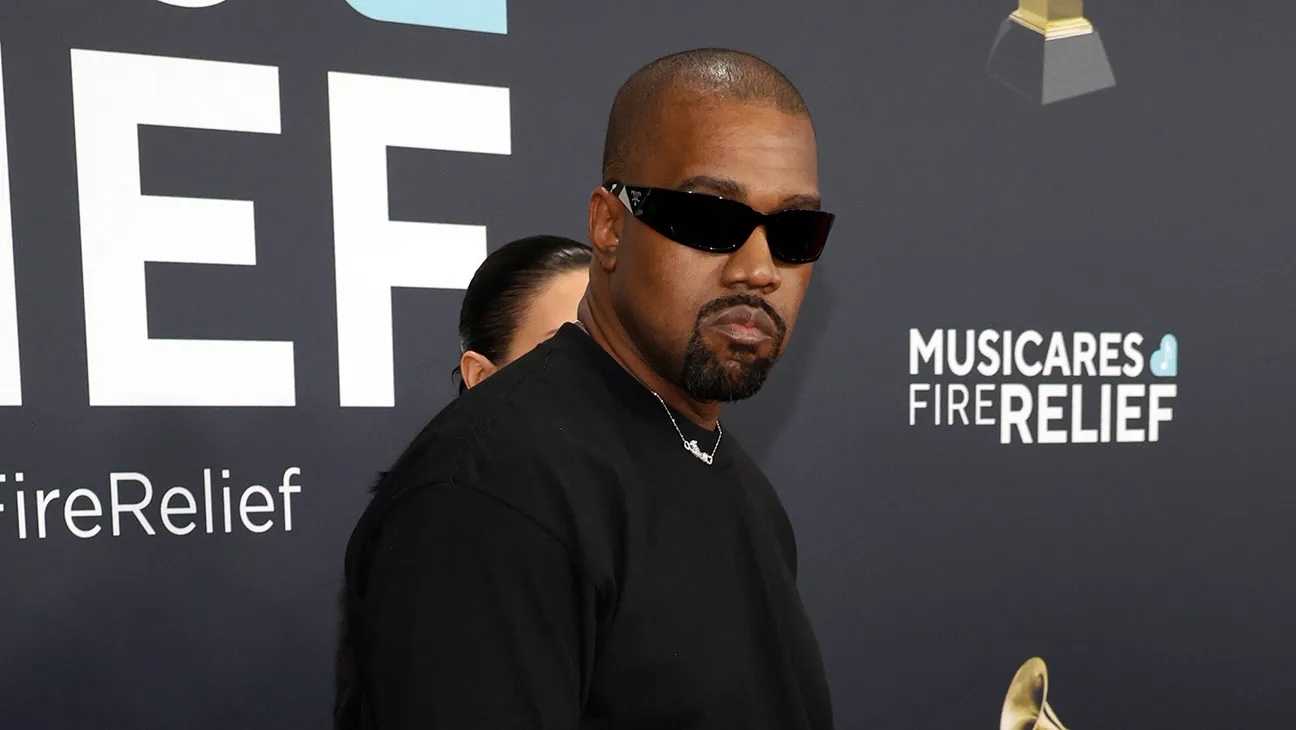
Famous rapper, producer and songwriter Kanye West is receiving backlash since the UK music festival, Wireless, booked him for a headline slot.
Unless you’re living under a rock, you have probably heard or read by now that Kanye West is headlining Wireless Festival. Since the announcement on Wednesday, 1st April, it has sparked a huge debate online. With comments from credible music industry figures and even British politicians addressing the matter.
What is Wireless?
Wireless is a live music festival that takes place annually in London, UK. It usually covers genres such as hip hop, grime, R&B, and drill. However, as each year passes, it continues to build a wider audience, and has explored genres such as alternative rock, soul and funk. To name a few. Founded in 2005, over the years, Wireless has had performances from music powerhouses. Including the likes of Cardi B, Daft Punk, Drake, Doja Cat and others.
A history of Kanye’s controversy
Over the years, Kanye has made a name for himself for being controversially outspoken. And for a long period of time, this was a characteristic he was praised for. That was until the famous rapper took a dark and twisted turn, spewing harmful hate speech.
The real controversy with Kanye began in 2018, when he was seen on several occasions wearing a ‘Make America Great Again (MAGA)’ cap. An accessory affiliated with Donald Trump’s racist theory on the ‘overpopulation of immigrants’ in the United States (US).
And how he seeks to address it by deporting everyone, and essentially making it white again. Despite pushback from industry figures, the rapper doubled down on the fact. Unapologetically expressing how much he “loves Trump.”
That same year, Kanye appeared on TMZ Live, where he made the statement,“You hear about slavery for 400 years. For 400 years? That sounds like a choice.” A comment that was not only factually incorrect, but caused emotional damage to the entire Black community. During this ‘phase’ of Kanye, many were quick to hold him accountable.
Black Eyed Peas rapper, Will.i.am, addressed the matter during an interview with Good Morning Britain.
“That broke my heart, because I thought about my grandma, who was born in 1920. And her connection with her mum, who raised her, was born in the late 1800s. And, my grandmothers, grandma, who was a slave. When you’re a slave, you’re owned. You don’t choose that you’re owned. When you’re a slave, you’re deprived of education. It’s not a choice. That’s by force.”
Additionally, Human Rights lawyer and author, Ewelina U. Ochab wrote a long-form piece for Forbes titled ‘Slavery Was Not, Is Not, and Never Will Be A Choice.’
The downfall of Kanye
However, this cancellation of Kanye didn’t last very long, as the producer would later go on to release a major record, Jesus Is King, the following year. And the critically-acclaimed Donda three years after. From there onwards, the rapper released a series of albums, with each accumulating more fame than the last. It was clear that, despite the disastrous comments and actions he had made, he never really lost popularity.
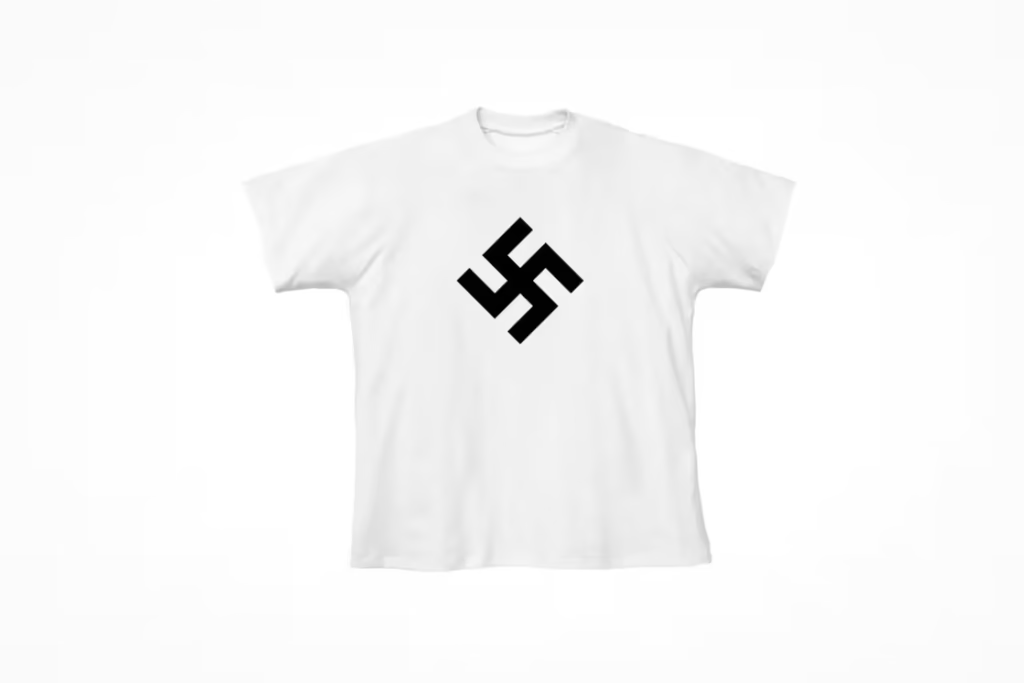
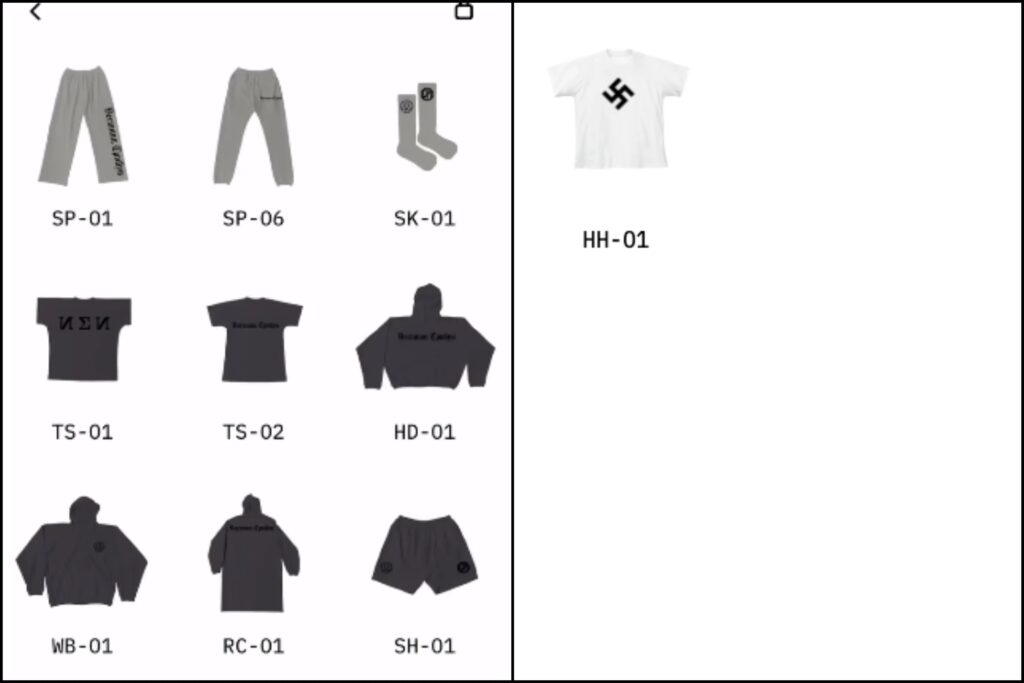
Until last year, when the artist reached a whole new low. The rapper dropped a new apparel line on his ‘Ye’ website, with logos of the nazi swastikas and words, HH-01. The latter was speculated to be an abbreviation of ‘Hail Hitler.’ The site was taken down not long after, for its antisemitic messaging.
As if all of the above wasn’t bad enough, that same year, Kanye released “THE HEIL SYMPHONY,” a song glorifying Hitler. This subsequently led to him being banned from entering Australia.
There are still many other callous monstrosities the rapper has committed throughout his career, but that is a whole other article in itself.
Why are people mad about him playing Wireless?
Kanye has built a career on being outspoken. And while that might sound empowering and inspiring, unfortunately, for the rapper, it is the complete opposite. He has routinely caused detrimental damage to many people, including the Jewish and Black communities.
Despite years of constant backlash, being banned from social media accounts like X, formerly Twitter, or being addressed by government officials, the rapper continues to live on, with a fame that leaves him almost untouchable.
People are angry about him being booked for Wireless because it allows him to bend the rules yet again.
What UK government officials are saying
Since the announcement, UK Prime Minister (PM) Keir Starmer has commented on the issue.
“It is deeply concerning that Kanye West has been booked to perform at Wireless despite his previous antisemitic remarks and celebration of Nazism,” he says.
“Antisemitism in any form is abhorrent and must be confronted clearly and firmly wherever it appears. Everyone has a responsibility to ensure Britain is a place where Jewish people feel safe and secure.”
Sponsorship drops
For any major festival, sponsorships are an integral way for them to make more money. And this year, the fast food chain, Pepsi, was announced as the festival’s main sponsor…up until 18 hours ago, when they officially withdrew their partnership. Alongside Diageo, the owner of Johnnie Walker and Captain Morgan. Rockstar Energy followed suit not long after, following the widespread pushback from the booking of Kanye.
What message does Kanye’s slot at Wireless send to the younger generation?
Wireless Festival is known for attracting a younger audience. Its demographic typically ranges between 16 – 25 year olds. Kanye’s booking sends an incredibly dangerous message to young adults. It puts forward the ideology that people in positions of fame and thus power can say the most heinous things. Disguise hate speech as freedom of speech, and still be credited with life-changing opportunities.
- What Went Down in Milton Keynes ‘Easter Egg Hunt’ Disaster
- Why People Are Upset with Kanye Playing Wireless
- The Inside Success Story: The Blueprint to Getting Rich
- New Google Maps Update to Show Bus Delays
- How to Price Your Services as a Freelancer
If you’re keen to read more pieces about music, culture, and political affairs, join the Inside Success community to be the first to be notified.

Laviea Thomas is a journalist at Inside Success who writes about film, music and politics.
Outside of that, she is an experienced freelance journalist with bylines in NME, The Quietus, Metal Hammer and more.
Over the years, Laviea has been an active panellist discussing fundamental conversations in the music industry, such as diversity and inclusion, and the importance of grassroots venues. She has been a panel guest for Kerrang! Focus Wales Festival, Future Yard and more.
Leave a Reply
You must be logged in to post a comment.