


For the first time, Google Maps has a public transport update accessible to anyone in England.
To save all of us from the dreaded frustrations of waiting around. Aimlessly hoping for our transport to arrive, Google Maps has launched a brand new update. A new tracking feature, which allows people to keep an eye on the status of their bus and whether it’s actually due to arrive.
This update is an absolute game-changer. Allowing people to not only plan their travel more efficiently, but also provide any evidence to pesky managers who might find their work lateness an excuse for laziness.
What does the update mean?
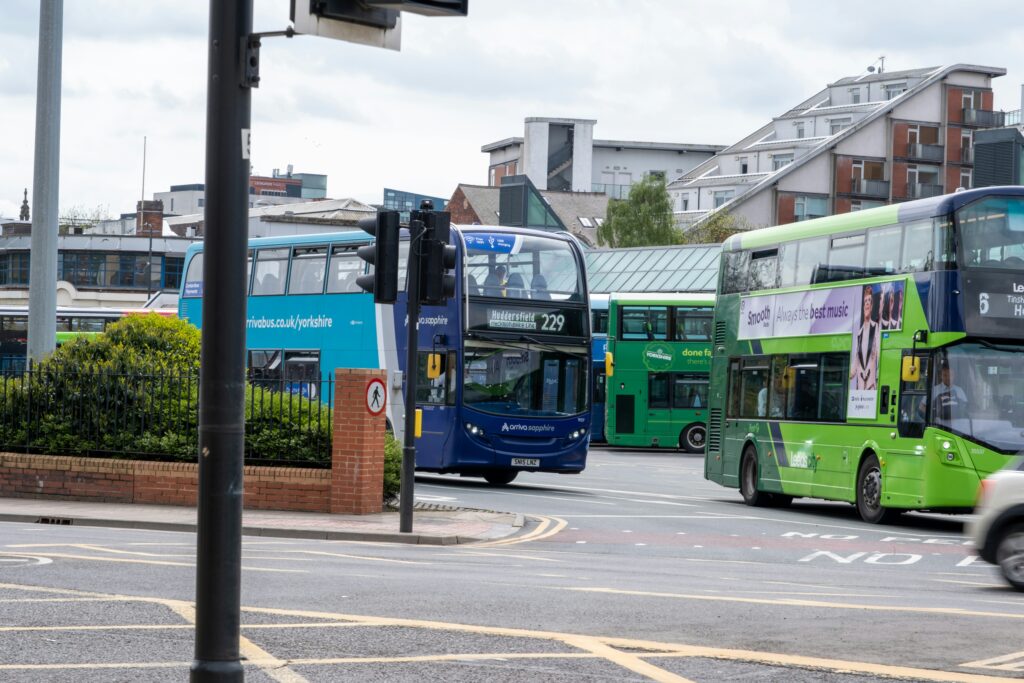
The upgrade allows travellers to live track vehicles everywhere within England. Allowing people from major and busy cities like Manchester, Birmingham and London (which all heavily rely on public transport), to stay up-to-date with accurate transport resources.
If you ask any Londoner, they will tell you that Transport for London (TFL) is more unreliable than it likes to take credit for. It’s hard to predict whether your bus or train is coming, even with the updates literally on the screen.
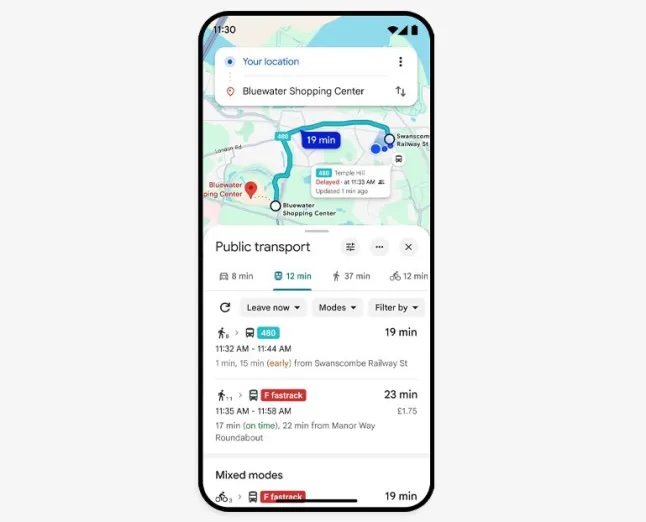
- New Google Maps Update to Show Bus Delays
- How to Price Your Services as a Freelancer
- Leading With Purpose, Built From Real Life: Scorcher Interviewed
- Getting out of the MUD: The Strategy of Position
- BBC Sacks Scott Mills Following New Police Report
What are UK government officials saying about the update?
Following a new report, the Secretary of State for Transport of the United Kingdom, Heidi Alexander, commented:
“For too long, getting from A to B has been more complicated than it needs to be…
People want journeys to be easy and reliable. They want to be able to get off a train and straight on to a bus without having to battle through a confusing system or buy separate tickets for each part of their journey.
That’s why we’re giving local leaders the powers to build transport networks that are simpler, more accessible and better connected, improving everyday journeys and supporting growth in every corner of the country.”
How will this update affect young adults?
In October 2025, GovUK confirmed in their National Travel Survey (NTS) that 18% of children aged between 11 and 16 travelled to and from school via bus. Additionally, it stated that this mode of transport was most common for longer trips for kids of that age. Stats showed that 42% of kids between the ages of 11 and 16 would use the bus for longer trips to and from school, with distances up to 5 miles. While 58% would use this mode of transport for lengths of 5 miles and over.
Google Maps updating its server to have a tracker on it is not only useful because it helps people avoid inconveniences. It’s also a brilliant new safety precaution. Considering that a large portion of kids use this type of transport to get to and from school, it provides a way for their parents and teachers (if necessary), to track their whereabouts.
It enables young adults to also make practical decisions on what their best alternative is, if their typical route isn’t running. Bus lateness has become a normality in society, and while it’s understandable that it’s impossible to prevent this, having the transparency of live updates reduces many inconveniences and safety issues.
Having access to information like this could also help reduce errors in attendance and lateness in young people, as they will have better resources to calculate their time more accurately.
To stay up to date on issues affecting young adults and people in the UK, subscribe to Inside Success here.

Laviea Thomas is a journalist at Inside Success who writes about film, music and politics.
Outside of that, she is an experienced freelance journalist with bylines in NME, The Quietus, Metal Hammer and more.
Over the years, Laviea has been an active panellist discussing fundamental conversations in the music industry, such as diversity and inclusion, and the importance of grassroots venues. She has been a panel guest for Kerrang! Focus Wales Festival, Future Yard and more.
Leave a Reply
You must be logged in to post a comment.