

Nowadays, there are lots of ways to make money on social media, and misogyny has become a dangerously popular angle.
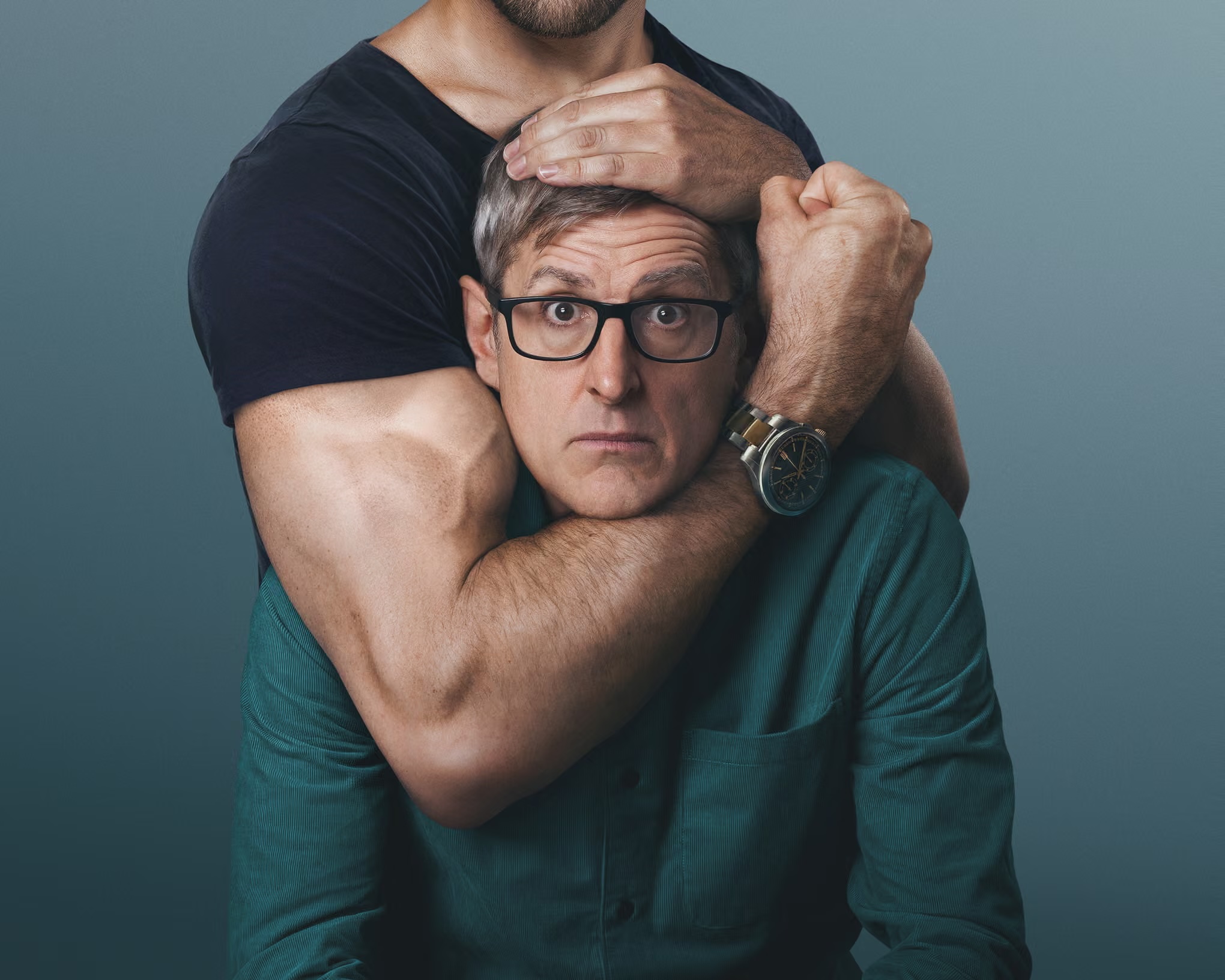
BBC broadcast journalist Louis Theroux is back with another gripping documentary. This time around, an in-depth exploration titled, ‘Inside the Mansophere.’ A theoretical concept that has sparked more conversation in the past year, with the rise of infamous social media personalities such as Joe Rogan and Andrew Tate.
Throughout the documentary, Theroux interviews a range of social media influencers about the content they’re making. Each of whom has made a living from producing derogatory content that typically exploits women, shows traits of toxic masculinity and demonstrates harmful principles that allow little room for emotional vulnerability.
In sum, the public figures are creating a dangerous environment for young men to take inspiration from, and Theroux’s documentary is an exploration of the why.
We’ve collected a list of ‘5 Things Young Boys Can Learn’ from it. Consider it a guide on how not to act…
1. Men Are Victims of the Patriarchy Too
Contrary to societal belief, men are also victims of the patriarchy. Almost just as much as women. I know, sounds crazy, right? But it actually makes sense, and here’s why:
The patriarchy has installed a dangerous and unachievable set of rules for men to follow. This often involves men needing to take on unrealistic practices and standards in the belief that it will make them more successful. However, no amount of resistance can improve a man’s ‘power’ or ‘social status.’
Throughout this documentary, Theroux makes it obvious how much the patriarchy impacts men by cleverly questioning the influencers on their beliefs. It’s a smart tactic that helps raise awareness for any young boy watching. It’s a reality check of sorts, reflecting how the struggle that men often feel is deep routed in centuries of unrealistic rules implemented by the patriarchy.
If it were made clear just how the patriarchy impacts men from a young age, it would allow room for them to grow emotional intelligence and vulnerability in a way that allows them to be their truest, authentic selves. Free from judgment.

2. Manhood Isn’t Linear
Throughout the documentary, the question of ‘what is manhood’ is thrown around a lot. It’s a question that young boys will find themselves deliberating as early as primary school and into their adult lives. And though there are plenty of speculated ‘answers’, there is very little information as to what it actually is.
In the 90-minute documentary, Theroux raises many challenging questions to provoke responses from the content curators on what ‘manhood’ means to them. On occasion, influencers in the show hint at manhood being about looks, stamina and money. But a lesson young boys can take from the ‘What is manhood’ discourse, in this documentary, is that it isn’t linear.
No guide defines what is and what isn’t the definition of being a man. Contrary to how society makes young boys feel. AKA liking certain materialistic things like cars, or enjoying hobbies such as football or rugby, or being heterosexual, doesn’t define manhood.
Instead, characteristics such as being in touch with your emotions. Having emotional intelligence for the feelings of those around you. Seeing women as equals, not objects. Being a good father. These are a few characteristics that could arguably be identified as principles that define being a man.
- New Google Maps Update to Show Bus Delays
- How to Price Your Services as a Freelancer
- Leading With Purpose, Built From Real Life: Scorcher Interviewed
- Getting out of the MUD: The Strategy of Position
- BBC Sacks Scott Mills Following New Police Report
3. Language Matters
The language you use around women and to describe them shows the respect you have for them. Language matters because it’s a direct reflection of one’s morals. Throughout the documentary, many influencers use vulgar language and phrases either in the presence of women or when addressing them.
“This is my dishwasher over here, my cleaner,” says Harrison Sullivan, better known as HSTikkyTokky. Referring to the young lady sitting on the sofa. Or “I teach guys how to be proper guys, not these soy boys, gimps that walk around in the modern day,” he adds at a later point.
The trick of Theroux’s interviewing style is that sometimes he doesn’t directly hold people accountable. He gives them space to uncover themselves, free of judgment. By doing this, he enables people to expose their real emotions and motives with very little effort. Throughout ‘Inside the Manosphere’, a lot of the influencers showcase their toxicity in the misogynistic and degrading language they use.
So language matters. It holds weight. There’s nothing casual about referring to women as ‘bitches,’ or calling men ‘gay’ for ‘pussies’ for partaking in female-led activities or showing signs of fear. The repeated use of this language will teach boys to be desensitised to its impact. Which is a danger to others, and for personal development.

4. Young Boys Need Safe Male Role Models
Throughout the documentary, there are various comments from older generation men ranging from the ages of 23 upwards. Each of whom is shown speaking on live streams to major audiences. Throughout the documentary, young boys are seen repeating some of the same phrases. It shows how easily these youngsters can be led to spread harmful messages.
Young boys need safe male role models because they’re tuning in to the conversations older men are having online. They’re watching, listening and absorbing it. When we’re young, we’re extremely impressionable. It’s easy to be naive while we are still developing.
5. Don’t Take Social Media at Face Value
What we know about the boys running these manosphere-type accounts: they earn thousands of pounds every day. They don’t need to obey the law. They can exploit people with little to no repercussions. These content curators showcase an unrealistic standard of living that easily draws in the younger generation. And for good reason. It’s seen as exciting, hopeful and an easy way out. But how real are the lives of these people?
- New Google Maps Update to Show Bus Delays
- How to Price Your Services as a Freelancer
- Leading With Purpose, Built From Real Life: Scorcher Interviewed
- Getting out of the MUD: The Strategy of Position
- BBC Sacks Scott Mills Following New Police Report
At one point, Sullivan tells Theroux, “I went from 0 to making about £1,000 a day on fitness programmes.” Though the amount he made may be true, he also went to a private school. He comes from wealth, as a result of a mother who worked six days a week to ensure he could. He has not come from nothing.
Sullivan also comments on how he coaches “Boys how to be fucking boys. How to make money. How to be outside the system. How to not have a boss telling you what to do.” Though even as a freelancer, with a personal business, men still have to abide by the law. There are still taxes to pay, and if curators are earning thousands daily, chances are the rate of those taxes is ginormous.
There is a false sense of security throughout the documentary, and Theroux makes good notice of flagging how there is more than meets the eye. That nothing is as simple as some of the curators are trying to put on when it comes to being a ‘successful man.’

What’s the overall message young boys can take from this documentary?
That social media isn’t always real. That kindness prevails over money and fame on every corner. That being a man isn’t about how much power you can attain, but rather about living your life authentically, with love and kindness. That no person benefits from the patriarchy. The hate speech that is showcased throughout the documentary showcases just how pressing this issue is in the present day. Young men need better role models in today’s society.
For more tips on better tips for young men and women, sign up to become an Inside Success member here. Perks include mentorships, creative development programmes, and much more.

Laviea Thomas is a journalist at Inside Success who writes about film, music and politics.
Outside of that, she is an experienced freelance journalist with bylines in NME, The Quietus, Metal Hammer and more.
Over the years, Laviea has been an active panellist discussing fundamental conversations in the music industry, such as diversity and inclusion, and the importance of grassroots venues. She has been a panel guest for Kerrang! Focus Wales Festival, Future Yard and more.
Leave a Reply
You must be logged in to post a comment.