
You did not start this war. You probably cannot find Iran on a map without Googling it first. Yet right now, a conflict that began on 28 February 2026 is making your petrol more expensive, your food shop pricier, and your energy bills heavier. Welcome to the part nobody warned you about.
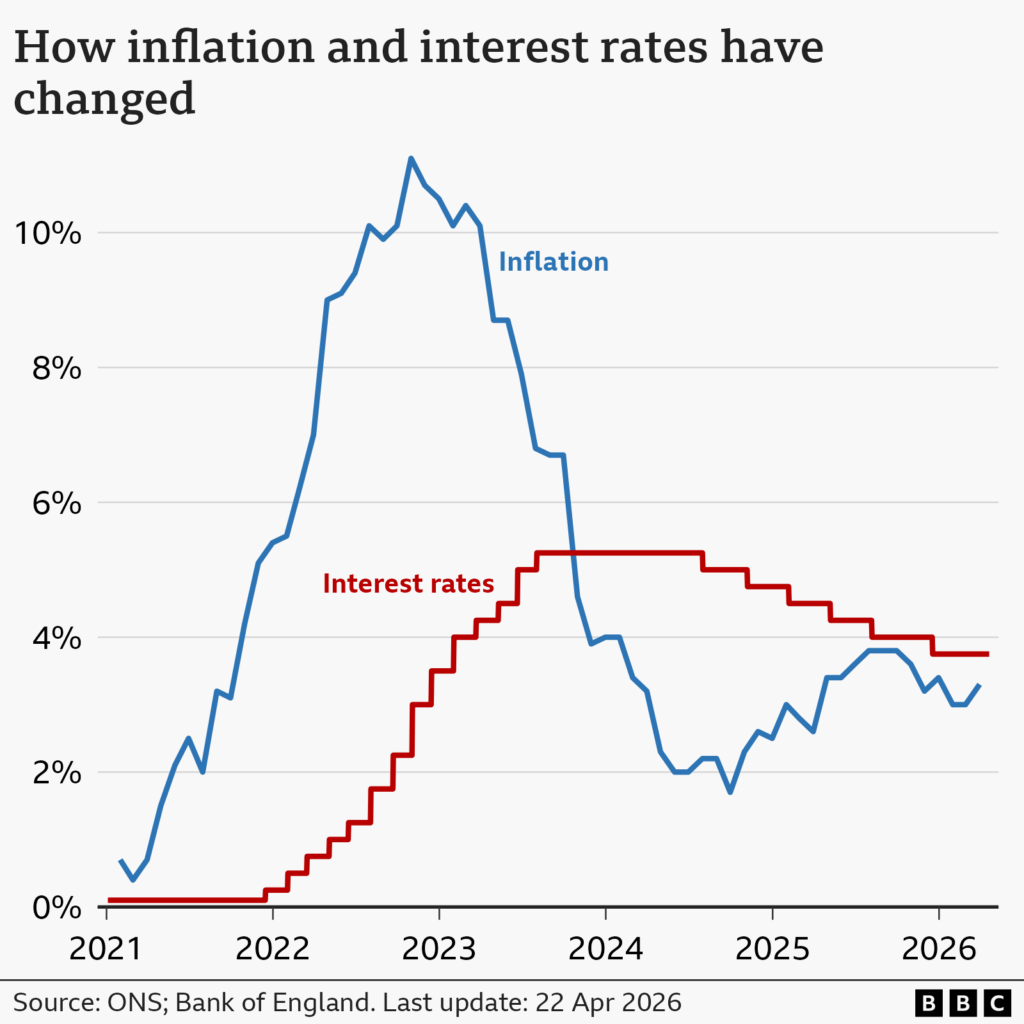
On Wednesday 22 April 2026, the Office for National Statistics confirmed that UK inflation rose to 3.3% in the year to March, up from 3% in February. These are the first official figures released since the US and Israel launched military strikes against Iran. The ONS chief economist Grant Fitzner put it plainly: the rise was largely due to increased fuel prices, which saw their largest jump in over three years.
What Actually Happened and Why It Matters
On 28 February 2026, Israel and the United States began striking Iran. Iran hit back, targeting regional US military bases and energy infrastructure across the Middle East. The UK imports a significant chunk of its energy. So when production and transportation of oil and gas across the region slows down, prices here shoot up almost immediately.
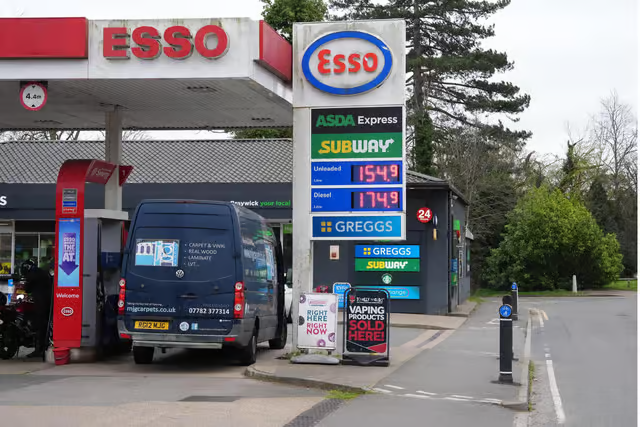
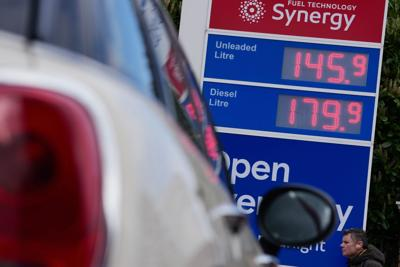
Motor fuel costs jumped 8.7% in March alone. That is the biggest single monthly increase since June 2022, right after Russia invaded Ukraine. Diesel prices nearly hit £2.00 per litre. Petrol rose around 6.5% across the month. Heating oil, used by households in rural areas, nearly doubled at the start of the conflict.
It did not stop at the petrol station. Airfares surged as much as 14% in March, partly due to Easter timing but heavily influenced by rising fuel costs for airlines. Food prices also climbed. Every product that gets transported, refrigerated or produced using energy just got more expensive to make and deliver. That cost lands on your receipt.
What Is Coming Next
Here is the uncomfortable part. This is likely just the beginning.
The Bank of England now predicts inflation will rise towards 3.5% by mid-2026. The International Monetary Fund goes further, forecasting a peak of 4%. Before the war started, the Bank had been preparing to cut interest rates as inflation cooled towards its 2% target. Those cuts now look very unlikely. Some economists say rate rises are back on the table.
Higher interest rates mean higher mortgage costs. They mean more expensive debt. For young people already stretched by rent and student loans, that matters enormously. The House of Commons Library confirmed that previously anticipated rate cuts now seem unlikely to materialise, with rate hikes now a real possibility.
Chancellor Rachel Reeves acknowledged the pressure directly, saying the conflict “is pushing up bills for families and businesses.” She pointed to energy bill cuts and a fuel duty freeze as existing protections. Critics, though, argue those measures will not be enough if inflation keeps climbing toward 4%.
Here Is How You Protect Yourself
No, you cannot stop a war. You can, however, make smarter decisions with your money right now.
Check whether you are on the best energy tariff available. Comparison sites like Uswitch take about five minutes and can save you hundreds of pounds annually. Do not wait for your provider to offer you a better deal. They will not.
Cut fuel costs where you can. Apps like Petrol Prices show the cheapest stations near you in real time. The difference between the priciest and cheapest forecourt in most towns is now worth driving for.
Track your food spending for one week. Most people underestimate how much they spend on groceries by around 30%. Knowing where money leaks puts you back in control.
Finally, read up on what interest rate changes actually mean for you specifically. If you have a variable rate student loan, a credit card or any future mortgage plan, the MoneyHelper website breaks it all down in plain English for free.
This war is far away. Its consequences are right here, in your bank account, right now.
If you want to make an active impact in our quest to educate young people and provide them with updates on everything going on, subscribe here.

