

If you own a pet in the UK, there’s something you need to pay attention to. The government is tightening how pet travel is regulated, especially when it comes to moving animals between the UK and the European Union (EU).
On the surface, it looks like a simple policy update. But in reality, it changes how pet owners plan trips, prepare documents, and even think about travelling with their animals. Because what used to be straightforward now requires more steps, more planning, and more awareness.
Why the Rules Are Changing
The UK has been working to standardise and tighten regulations around pet movement. The idea is to protect animal health and prevent the spread of diseases.
But as with most regulations, the impact is felt most by everyday people. Especially those who travel frequently with their pets, because the process is no longer as flexible as it used to be.
What Has Changed and Who It Affects
The new rules apply to people travelling from Great Britain to the EU with pets, and they specifically cover:
- Dogs
- Cats
- Ferrets
If you fall into this category, these changes apply directly to you. It doesn’t matter if you travel occasionally or regularly. Once you are crossing into the EU with a pet, these rules come into play.
EU Pet Passports Are No Longer Valid
This is one of the biggest changes. In the past, many UK pet owners relied on EU-issued pet passports. They made travel easier and reduced the need for repeated documentation.
All that has now changed. EU pet passports are no longer valid for UK residents travelling into the EU.
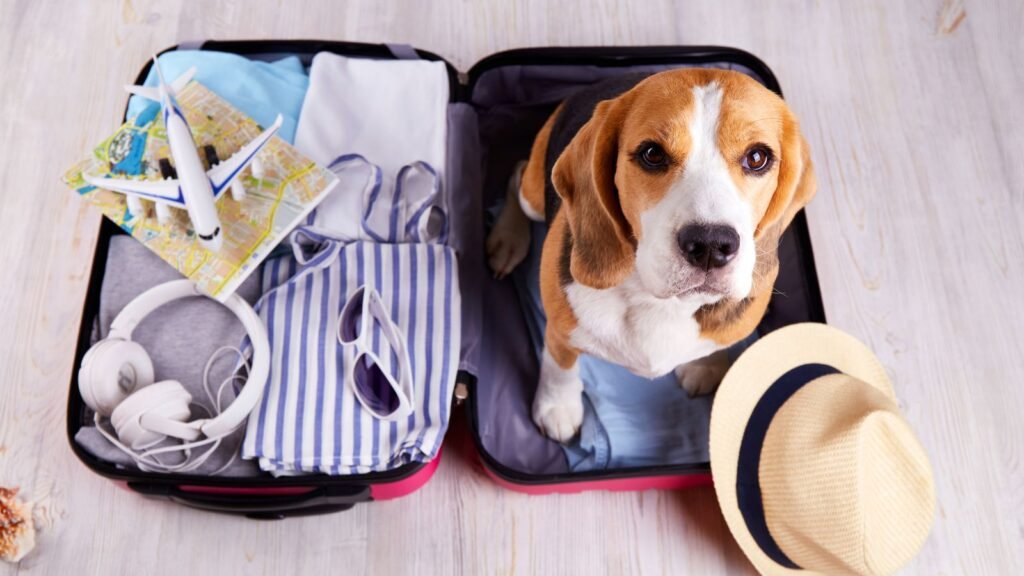
Even if your pet passport was issued years ago and has been used multiple times, it will no longer be accepted for entry.
This is important. If you try to travel with an invalid passport, your pet could be refused entry at the border, which is not a situation any pet owner wants to deal with.
Animal Health Certificates Are Now Required
With pet passports no longer accepted, there is now a new requirement. Pet owners must obtain an Animal Health Certificate (AHC) before travelling.
This is now the main document required for entry into the EU.
Here’s what you need to know:
- The certificate must be issued by a licensed vet
- It must be obtained within 10 days of your travel date
- It is required for every trip
This means you cannot reuse the same certificate for multiple journeys. Each time you plan to travel, you need a new one. However, once you enter the EU, the certificate allows:
- Travel within EU countries for up to six months
- Re-entry into the UK, as long as your pet’s vaccinations remain valid
So while it adds more steps, it still offers some flexibility once you’re inside the EU.
Health Requirements Still Apply
The new rules do not remove existing health requirements, as your pet must still:
- Be microchipped
- Have a valid rabies vaccination
Depending on where you are travelling, there may also be additional requirements, such as worming treatments. Before you travel, it’s important to check the specific rules for your destination.
Because not all EU countries operate exactly the same way.
Limit on the Number of Pets
Another important change is the introduction of a stricter limit on how many pets you can travel with. Under the new rules, you can travel with a maximum of five pets per vehicle
This is designed to prevent commercial movement of animals under the guise of personal travel. For most pet owners, this may not be an issue. However, for those travelling with multiple animals, it’s something to keep in mind.
Because exceeding that limit could lead to complications at the border.

What Happens If Someone Else Travels With Your Pet
There are also rules for situations where someone else is travelling with your pet.
If your pet is not travelling with you:
- The person must have written permission from you
- The pet must travel within five days of your own journey
This ensures that the travel is still considered “non-commercial.” Without these conditions, the journey could fall under stricter rules meant for commercial animal transport.
What This Means for Pet Owners Going Forward
At the end of the day, travelling with pets is still possible. That hasn’t changed. What has changed is how much preparation is required.
You now need to:
- Plan your trip earlier
- Book vet appointments ahead of time
- Double-check documentation
- Understand the rules for your destination
It’s no longer something you can do last-minute. It may feel inconvenient, the system is designed to ensure safety and proper regulation.
If you want to make an active impact in our quest to educate young people and provide them with updates on everything going on, subscribe here.
- What the New EU Pet Travel Rules Mean for Pet Owners in the UK
- An Easy Step-by-Step Guide on How to Prepare for an Interview
- New Sexual Harassment Scandal Pushes Luton Bus Drivers to Strike
- New Legal Rules: Why Every School in England is Banning Phones
- Did you know these facts about the New Apple CEO John Ternus?


