

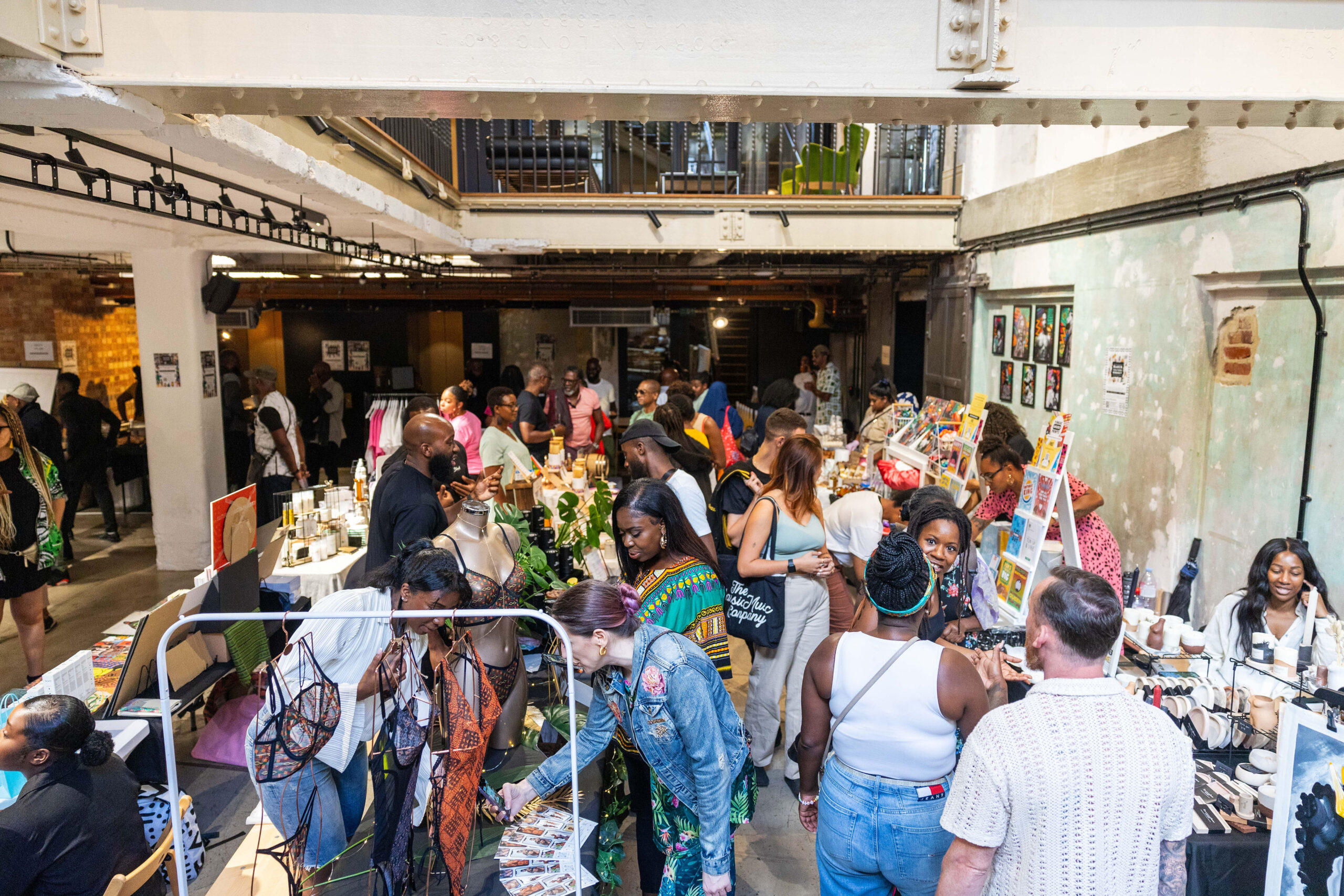
There is a tired narrative in the UK: “Black businesses don’t work together.”
I’ve heard it in barbers shops, boardrooms, and backstage at the Apollo. But as a Chief Executive Officer (CEO) who has spearheaded a £13 million turnover in three years, I’ve stopped looking at the “symptom” and started looking at the truth. If we want to build a sustainable Afro-futurist economy, we have to debunk these myths before we can claim our seat at the global table.
1. The Proof is in the “Street-Level” Infrastructure
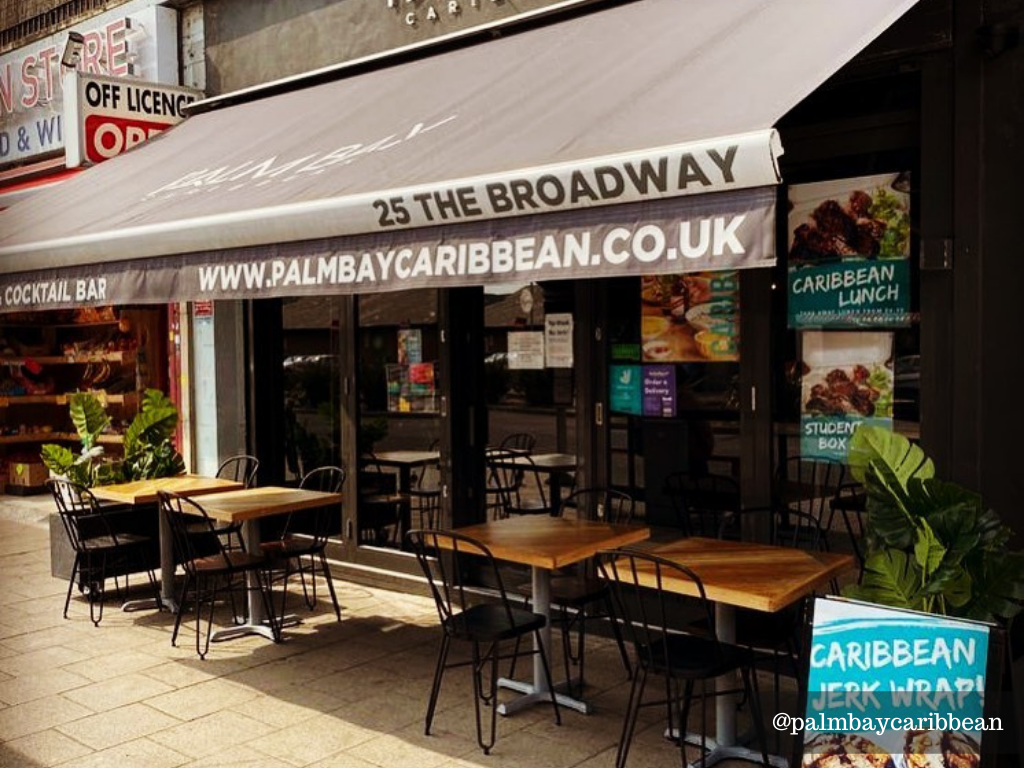
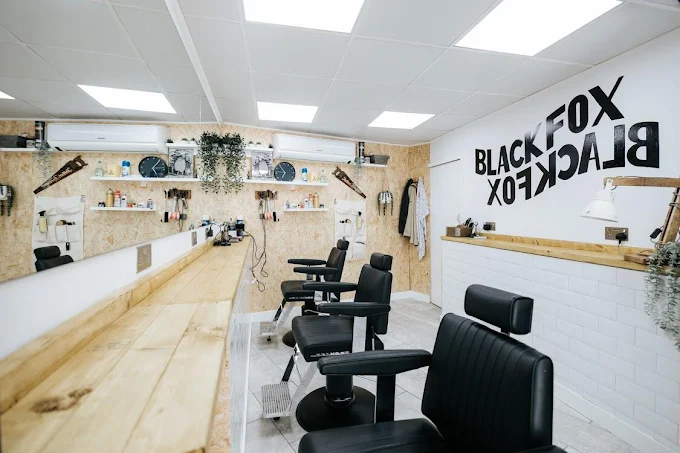
The narrative says we don’t work together, but the reality says otherwise. Look at our high streets. The local barbershop, the Caribbean food spot, these are businesses that have survived for decades. They are the original “Circular Economies.”
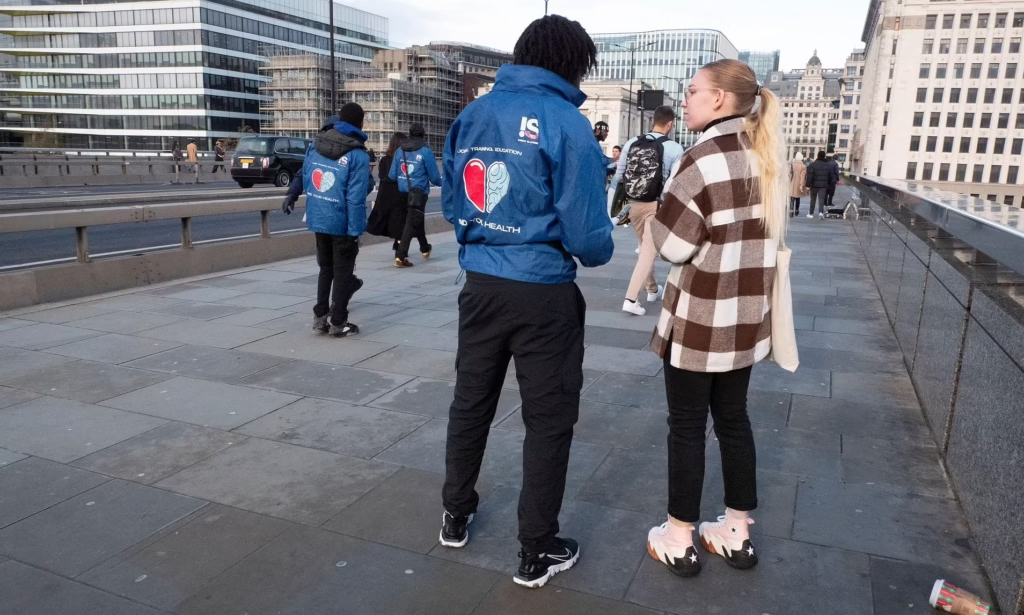
At Inside Success, I’ve seen this power firsthand. We work predominantly with urban youth from ethnic minority backgrounds. These young people—often dismissed by the “Old Guard” systems—are the engine of a sales machine that has generated millions.
When we say “it doesn’t work,” we are ignoring the thousands of young people currently running the front lines of JD Sports, McDonald’s, and the gig economy. The talent is there, the work ethic is there, and the turnover is there.
2. The Trap of the “Ownership Gap”
If the work is happening and the money is flowing, why does it still feel like we aren’t winning?
It’s because of the Ownership Gap. We are the primary consumers and the primary labor force for some of the biggest brands in the UK, yet we rarely own the platforms. We are “Hyper-Productive,” but we are producing value for infrastructures that don’t belong to us.
When you are fighting for survival against a “Venue Tax” or a banking “Iron Curtain,” your survival instinct kicks in. That instinct is Hyper-Individuality, and it is a trauma response. It’s the result of being told for decades that there is “only room for one of you” at the top. We’ve been conditioned to think like employees or “hustlers” instead of Asset Owners.
3. The Spiritual Cost of the “Hustle”
Business is a spiritual game. It is driven by thought, belief, and energy. I’ve had to do the hard work of Forgiving Self.
- Forgiving the “bad years” where turnover dropped to £2.5m.
- Forgiving the partnerships that went sour because we were both operating out of fear rather than vision.
When we don’t trust each other, we are reflecting a lack of trust in our own power. We’ve been told our success is fragile, so we hold onto it too tightly. But as a man of faith, I know that growth is a spiritual requirement. To lead a £13m company, you have to outgrow the trauma of “survival mode” and step into the peace of “legacy mode.”
4. Decentralization: The Tech-Spiritual Bridge
One of the biggest shifts I’ve made is learning to trust the fact that we don’t trust. Instead of being angry about the lack of unity, I acknowledge it as a historical byproduct. We have to unpack these social trust issues by creating Transparent Systems.
This is why I am so bullish on Web3 and Decentralization.
Technology can be the bridge that helps us bypass our psychological barriers until our spirits have healed enough to work together on “vibe” alone. Blockchain is “trustless”—it doesn’t require us to “like” each other; it uses Smart Contracts to ensure everyone is protected and every contribution is tracked. It turns our natural productivity into Immutable Ownership.
5. Moving from Consumption to Control
We are the ultimate consumers, but in the Afro-futurist era, we must become the ultimate owners.
I’ve spent a decade getting “out of the mud” and building an 8-figure empire in a system that wasn’t designed for me. I’ve proven that young, urban talent can generate millions when given the right structure. Now, I’m building the digital infrastructure—the MSC Coin ecosystem—to ensure that when we work together, we own the results.
We aren’t just building businesses; we are rebuilding a broken social fabric. When we heal the psychological effects of our history and combine them with the tools of the future, the “Partnership” won’t be something we have to force, it will come naturally.
The culture is the fuel. The healing is the engine. Ownership is the destination.

Leave a Reply
You must be logged in to post a comment.