


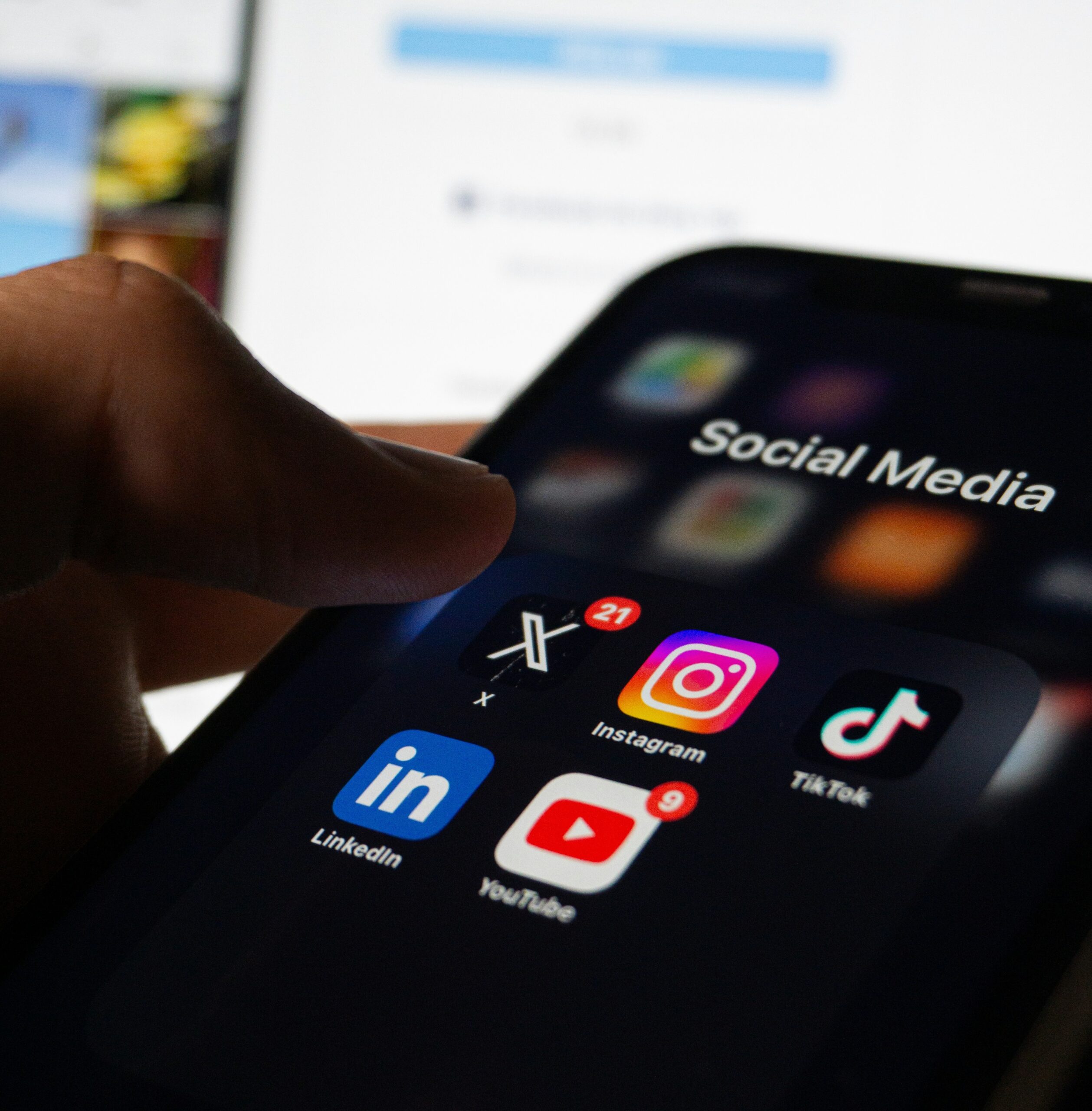
Conservative peer and former minister, John Nash, recently brought forward a manifesto for the Children’s Wellbeing and Schools bill. Implementing a proposed ban on the use of social media for young adults under the age of 16.
In an unlikely turn of events, British MPs officially rejected Nash’s proposal by a whopping majority of 134 votes. The total stats show that 173 voted yes, while 307 voted no.
Although parliament has officially rejected the idea, in the lead-up to it, there were various successful campaigns, with established actors such as Hugh Grant (Love Actually, Notting Hill), Sophie Winkleman (Peep Show, Two and a Half Men), among others, who have shown their support in the implementation of the bill.
What are the experts saying?
As per the National Society for the Prevention of Cruelty to Children (NSPCC), this ban has been suggested as a reaction to the sheer number of safety precautions being broken online. According to NSPCC, there are too many sites targeting under-16s and exposing them to engineered information.
The CEO of NSPCC, Chris Sherwood, comments:
“Tech companies continue to design social media products that knowingly put children and young people in harm’s way. Enforcing their existing age restrictions would protect 2.5 million children today, without the need for any new legislation. Yet they continue to profit while families are left to pick up the pieces.”
How does this bill affect under-16s?
Well, there are two outcomes here. Firstly, if the bill remains as a rejected theory, for the most part, under-16-year-olds will not be impacted. However, if the current Secretary of State decides to look into it and later decides to implement the ban, this could see an increased rate of young children without useful resources.
While social media can be a dangerous tool, it can also be a redistributive one. Allowing young adults to source and find impactful and useful information for their studies, and for their own health risks. It can also be a safe space for them to find new ways of feeling inspired. To absorb art and creativity, areas which are hard to come by without the exposure of social media.
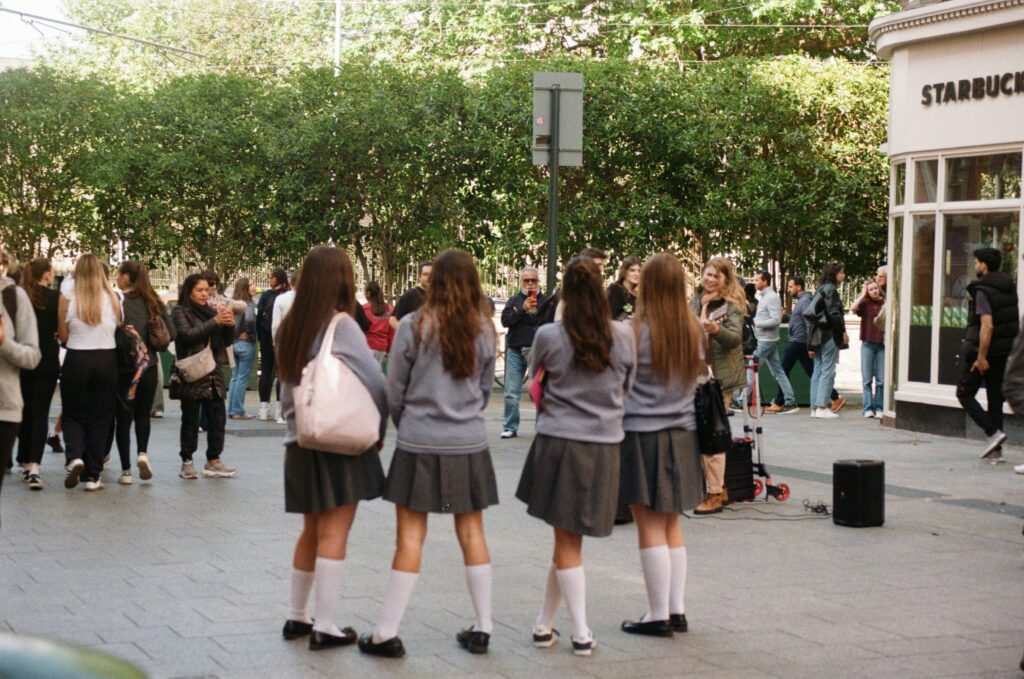
What do young adults think of this ban?
In January, Australia successfully passed this bill. Since then, whether under-16s should be banned from social media has been an ongoing discourse across the education sector and newsrooms.
Earlier this year, Kesteven & Sleaford High School student, Hannah (15), spoke to the BBC about it:
“I’d be devastated,” says Hannah. “I love going through my phone and having my online identity. I find it so much more ‘freeing’. Online, you can be yourself, whereas at school you’re having to fit in constantly.”
Moving forward
Although the mandate was rejected by mandate, there is still a possibility it could be passed at a later date. This is because the Commons have supported a government attempt to give more powers to the Secretary of State.

Laviea Thomas is a journalist at Inside Success who writes about film, music and politics.
Outside of that, she is an experienced freelance journalist with bylines in NME, The Quietus, Metal Hammer and more.
Over the years, Laviea has been an active panellist discussing fundamental conversations in the music industry, such as diversity and inclusion, and the importance of grassroots venues. She has been a panel guest for Kerrang! Focus Wales Festival, Future Yard and more.

Leave a Reply
You must be logged in to post a comment.