
AI scams are becoming harder to spot because criminals can now copy voices, mimic writing styles and create convincing messages at speed. For families, the risk is not only losing money in the moment, but also giving away personal details that can be used for identity fraud later. The good news is that simple habits, clear family rules and sensible cybersecurity measures can make these scams much less effective.

Why are AI scams a growing family risk?
AI scams are a growing risk because they make old tricks feel more personal, urgent and believable. A scammer no longer has to send a badly written email and hope someone responds; they can create a message that sounds like a relative, looks like a familiar organisation or refers to details gathered from social media. That makes AI scams and how families can protect their money and identity an important conversation for every household, not just people who consider themselves “tech-savvy”.
Many families share photos, videos, names, birthdays, school details and travel plans online. Individually, these details may seem harmless. Together, they can help criminals build a convincing story: a grandchild in trouble, a parent needing a quick transfer, or a delivery company asking for a small payment to release a parcel.
AI does not make every scam sophisticated, but it can remove the warning signs people used to rely on. Poor grammar, strange wording and robotic calls are no longer guaranteed clues. That is why modern fraud prevention strategies need to focus less on how convincing a message seems and more on how it is verified.
Impersonation scams use trust as the bait
Impersonation scams happen when criminals pretend to be someone the victim knows or trusts. This could be a child, grandchild, partner, friend, bank employee, police officer, delivery company, government department or well-known brand. The scammer’s goal is to create enough pressure that the victim acts before checking.
AI can make impersonation more convincing by generating realistic text, cloned voices or even fake images and videos. In a voice scam, a criminal may use a short audio clip found online to create a fake version of someone’s voice. The caller might sound distressed and say they have lost their phone, been in an accident, been arrested or need money urgently.
Suspicious payment requests are usually the centre of these scams. The scammer may ask for a bank transfer, gift cards, cryptocurrency, payment through an unfamiliar app or card details over the phone. They may also insist on secrecy, saying things like “don’t tell Mum”, “the bank said not to speak to anyone”, or “I only have ten minutes”. Urgency, secrecy and unusual payment methods should always slow the family down, not speed it up.
The warning signs families should take seriously
Scams often work because they trigger fear, affection or embarrassment. A parent may want to help a child quickly. An older relative may worry they have done something wrong. A teenager may panic after receiving a message claiming an account will be closed.
Useful warning signs include:
- Unexpected urgency: the message demands immediate action, especially involving money or personal details.
- Secrecy: the sender tells you not to contact anyone else or claims checking will make things worse.
- Changed contact details: a “relative” says they have a new number and cannot use their usual phone.
- Unusual payment methods: requests for gift cards, cryptocurrency, wire transfers or payment links.
- Emotional pressure: the story is frightening, flattering or guilt-inducing.
- Refusal to verify: the person avoids a video call, personal question or call-back through a trusted number.
- Links and attachments: the message pushes you to click before thinking.
No single sign proves a scam, but several together should be treated as a serious warning. The safest response is to pause, verify independently and refuse to be rushed.
How can you verify a message before sending money?
You can verify a message by using a separate, trusted route to contact the person or organisation, rather than replying to the message you received. If someone claims to be your child, ring their normal number, contact another family member, or ask a question only they would know. If someone claims to be from your bank, use the number on the back of your card or in your banking app, not a number provided in the message.
A family verification plan is one of the simplest and strongest forms of AI scams prevention. It works because it replaces panic with a rule everyone already understands. For example, families can agree that no one sends emergency money until two checks have been completed.
Practical verification methods include:
- Use a family password. Choose a memorable but private phrase that must be used in any genuine emergency money request.
- Call back on a known number. Do not use a number sent in the suspicious message.
- Ask a personal question. Use something not easily found on social media.
- Check through a second person. Contact another relative or trusted friend before acting.
- Move to video if possible. A live video call can help, although it should not be the only check.
- Refuse unusual payment methods. Genuine relatives and reputable organisations should not require gift cards or cryptocurrency.
- Take five minutes. Scammers rely on speed; a short delay can break the spell.
These methods are not complicated, but they must be agreed before a crisis. If everyone knows the rule, the person receiving the scam does not have to decide alone under pressure.
Cybersecurity measures that protect money and identity
Good cybersecurity measures reduce both the chance of being targeted and the damage if information is exposed. Families should think of cybersecurity as household maintenance, like locking doors or checking smoke alarms. It does not need to be perfect to be useful; it needs to be consistent.
Start with accounts that could cause the most harm if compromised: email, banking, mobile phone, cloud storage and social media. Email matters because it is often the recovery point for other accounts. If a criminal controls an email inbox, they may be able to reset passwords elsewhere.
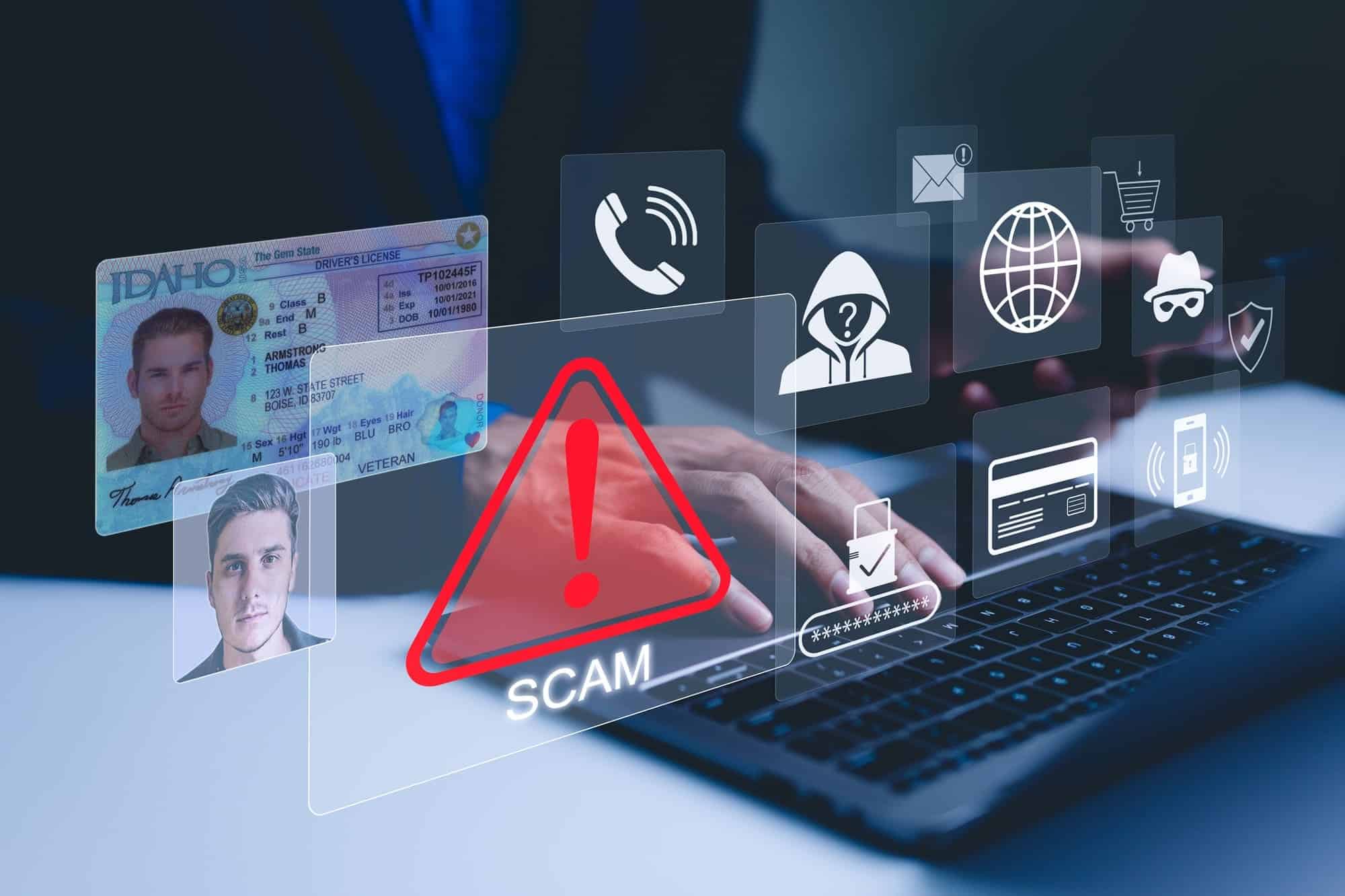
A sensible family checklist includes:
- Use strong, unique passwords for important accounts, ideally stored in a reputable password manager.
- Turn on multi-factor authentication for email, banking, shopping and social media accounts.
- Keep devices updated so phones, tablets and laptops receive security fixes.
- Limit public sharing of birthdays, schools, addresses, holiday dates and family routines.
- Review privacy settings on social media and messaging apps.
- Set banking alerts for transfers, card payments and new payees.
- Discuss app downloads with children and older relatives before installing unfamiliar tools.
- Back up important files so a ransomware or account-lockout threat is less frightening.
These steps also help with identity protection. If a scammer cannot easily access accounts, reset passwords or gather personal details, it becomes harder to turn one successful message into long-term financial harm.
Families need different conversations for different ages
A strong approach to AI scams should include everyone in the household, but the conversation should suit the person. Children and teenagers may understand technology quickly but underestimate emotional manipulation. Older relatives may be careful with money but less familiar with AI-generated voices or fake messages.
For children, focus on simple rules: do not share codes, passwords, school details or family information with strangers online. Make it clear they will not be punished for asking for help after clicking a link or replying to a message. Fear of getting into trouble can make young people hide problems until they grow.
For teenagers, talk about social media exposure, fake job offers, ticket scams and messages that appear to come from friends. Encourage them to question payment links, investment promises and anyone asking for intimate images or personal documents. AI scams can also involve blackmail, so the safest family culture is one where asking for help feels normal.
For older relatives, keep the guidance practical and respectful. Avoid making them feel foolish. Instead, agree on a “pause and call” rule for any urgent request involving money, bank details or personal documents.
What should you do if someone has already responded?
If someone has replied to a scam, sent money or shared personal details, the priority is to act quickly without blame. Shame helps scammers, because it makes victims delay telling anyone. A calm response gives the family a better chance of limiting the damage.
Take these steps as soon as possible:
- Contact the bank or card provider immediately. Ask whether the payment can be stopped, reversed or investigated.
- Change passwords for any affected accounts, starting with email and banking.
- Turn on multi-factor authentication if it was not already active.
- Report the scam to the relevant platform, bank, mobile provider or local fraud reporting service.
- Save evidence such as messages, phone numbers, payment details and screenshots.
- Warn relatives and contacts if an account has been taken over or impersonated.
- Monitor accounts for further suspicious activity.
The emotional response matters too. Remind the person that modern scams are designed to defeat normal caution. The aim is not to assign blame; it is to protect money, identity and confidence.
A simple household plan for AI scams prevention
The most effective family plan is clear, memorable and used by everyone. It does not have to be dramatic. In fact, the best plans are boring enough to follow when people are tired, busy or frightened.

A practical household agreement might include:
- We never send emergency money without calling back on a trusted number.
- We use a family password for urgent requests.
- We do not buy gift cards, cryptocurrency or vouchers for someone who contacts us unexpectedly.
- We never share one-time passcodes, even with someone claiming to be from the bank.
- We check payment requests with a second trusted person.
- We keep social media privacy settings tight and avoid oversharing personal details.
- We report suspicious messages rather than simply deleting them if there is a risk to others.
Write the plan down and share it in the family group chat. For older relatives, consider printing it and placing it near the phone or computer. For children and teenagers, revisit it whenever they get a new device, app or bank card.
The takeaway for protecting your family
AI may make scams more convincing, but it does not remove the power of careful verification. Most scams depend on urgency, secrecy and emotional pressure; families can defeat those tactics by slowing down and using agreed checks.
The best fraud prevention strategies are practical, shared and repeated. Talk openly, set rules before they are needed, strengthen your cybersecurity measures and treat every urgent payment request as something to verify, not something to obey. That simple shift can protect both your money and your identity.
