

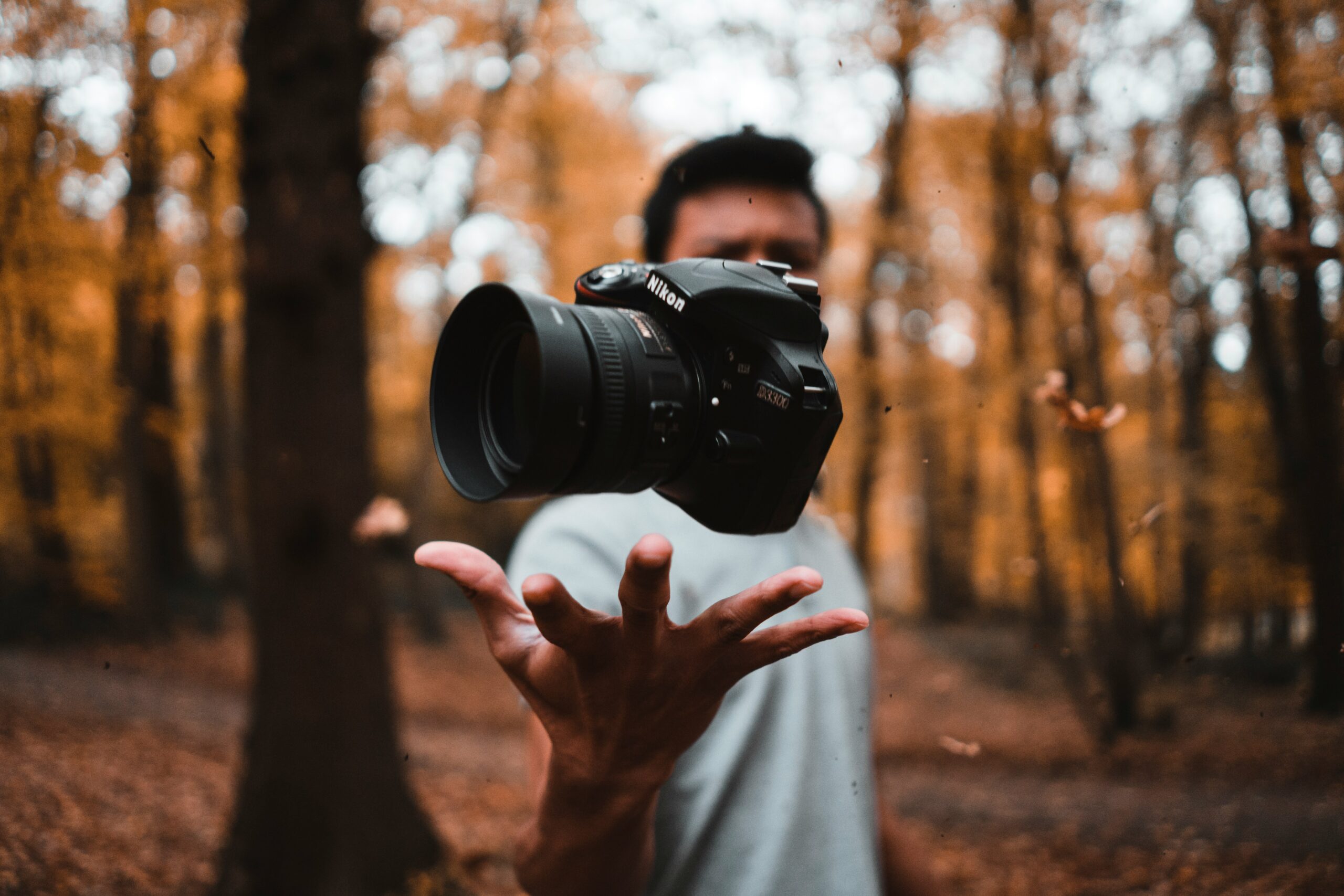
Want to get into photography but don’t know how? Take a look at this how-to guide, with gear essentials to add to your list!
Worried about not having the budget to secure the equipment you need for a photography career? Are you unsure about which stores to buy from? Or how to get the best out of your value?
Don’t worry! We’ve interviewed established freelance photographers and dug deep into the internet to showcase the best tips and equipment you need to start a photography career. Thank us later!
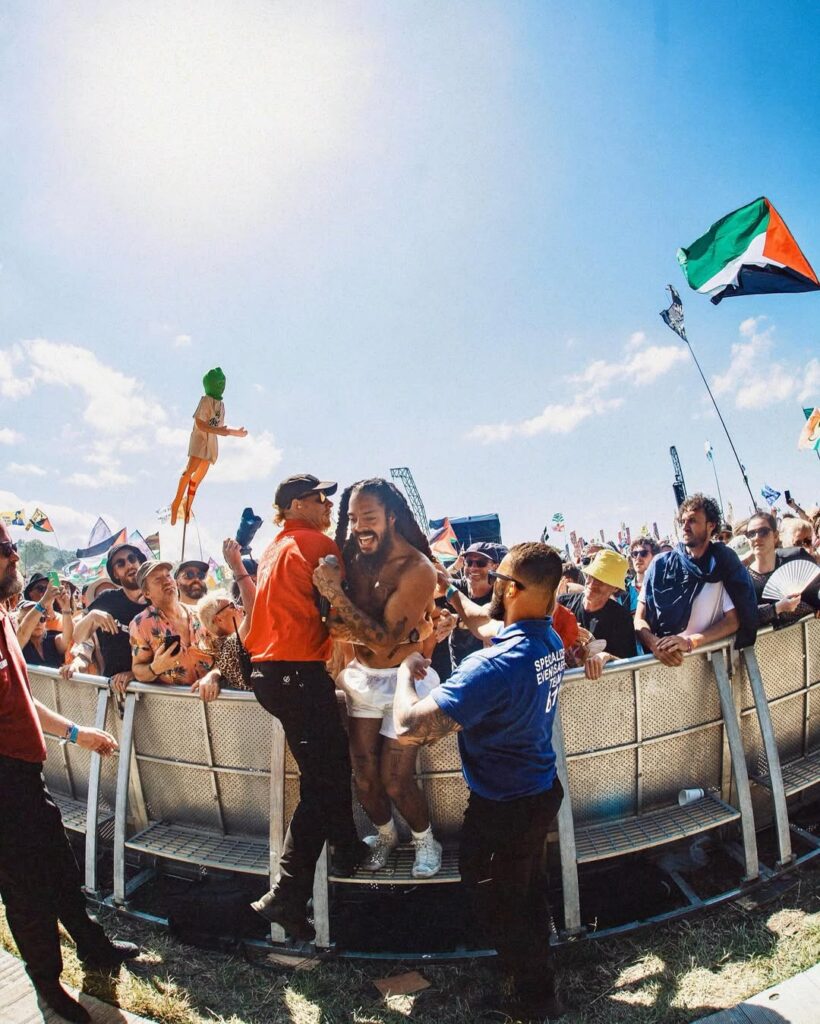
Firstly, before going on a random purchase rampage, do you know which area of photography you’re interested in shooting? Do you gravitate to documenting nature? Are you looking to take professional headshots of actors, journalists or media professionals? Do you want to capture gig photos that’ll become an iconic statement?
There are so many areas within photography where you can explore your creativity. Finding the right gear that you can use across a range of styles is a game-changer. But let’s get into the basics!
Finding the perfect lens
“A 50mm lens is always a good starter if you’re shooting live music, as it has an f-stop of 1.4,” says freelance photographer Sarah Akomanyi (30). She has worked on major projects such as Glastonbury Festival, toured with Nova Twins, worked on Elton John’s movie premiere at the London Film Festival and more.
“Many people start with the 50mm lens because it’s good for close-ups and sharp image quality. Even people who have been doing photography for years still reach for this lens. It’s an affordable lens that’s also good for portraits.
The only downside is it’s not a zoom lens. A 24-70mm lens is [also] a good lens to purchase. This is because it allows you to zoom in and out. Allowing you to cover wide angles and close-up shots. I’d recommend buying a 70-200mm lens if you’re shooting arenas or festivals, as it allows you to photograph things that are further away. It is versatile in many areas of photography. So basically the lower the f stop, like f 1/4- f 2.8, the better it is in low light ad it lets more light in. So the aperture controls the light.”
Finding the perfect camera body
Not sure where to start when finding the right camera body for you? Don’t be afraid to look into kit lenses. These often make it cheaper than to buy camera body separately. “It’s not always the best, but to start with, it’s not bad,” says Akomanyi.
“You want to go with a mirrorless to start with. My preference is Canon, but lots of people also shoot with Nikon,” adds Sophie Cherry (26), a freelance photographer and videographer. Throughout her career, Cherry has created photo albums and video projects for Boomtown Festival, Abbey Road Institute, Mac Cosmetics and more.
A good beginner-friendly camera body is the Canon Rebel T5. First issued in 2011, this camera has an 18-megapixel sensor and a high-performance DIGIC 4 image processor. This camera is best for newbies who have prior experience using SLR cameras.
Secondhand gear sites are your friend!
Don’t be afraid to buy secondhand. Sites like eBay, Park Cameras and Wex are industry standard for beginner-friendly camera equipment. Prices often range from as little as £100 up to thousands.
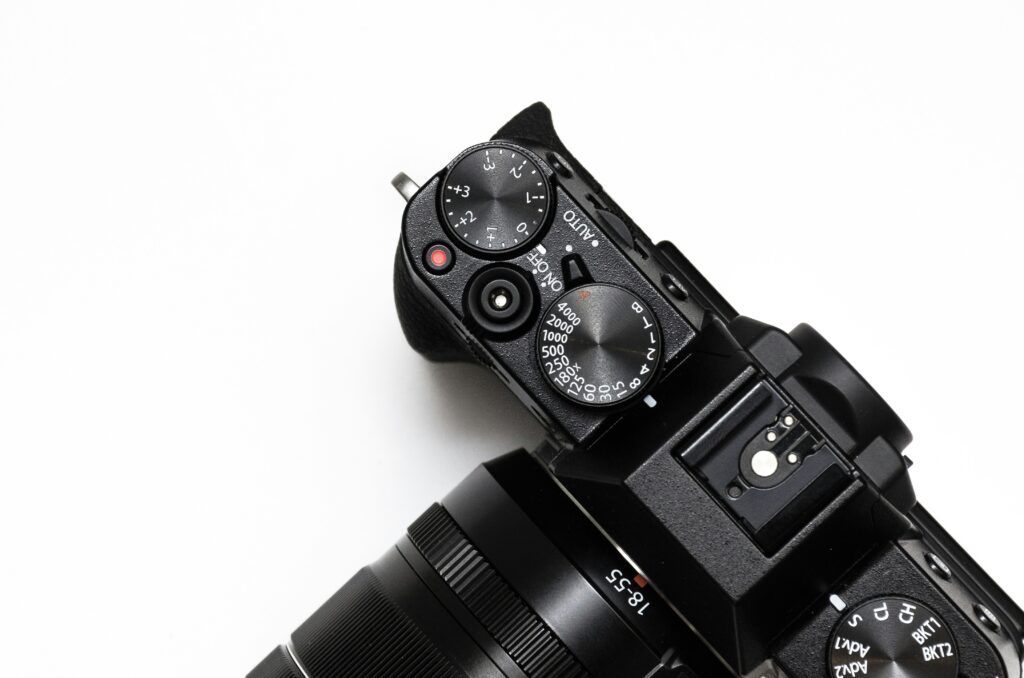
Purchase the right software
Many think that getting the right camera is the only thing you need to consider when beginning your journey as a photographer. But what good is having the right gear if you don’t have the additional equipment that enables you to edit those images?
Finding the right software that is easy to navigate and isn’t going to burn a hole in your bank account after you’ve just bought your camera can be difficult.
Adobe Photoshop is one of the leading editing tools in the creative industry. However, it’s not known for being cheap. As a beginner, there are plenty of stepping stones you can take before buying the big software.
For example, Adobe Express is a good alternative as a free online video editing platform. Alternatively, if you like your images to be vibrant but with a slight grit to them, check out VSCO. If you’re still exploring your editorial style, Evoto is a good software, also low in cost, that allows you to explore various styles.
Photographers for young people to take inspiration from
Starting a career in the creative sector doesn’t have to be daunting. If you’re a young adult with a passion for visual storytelling, plenty of industry professionals are worth taking inspiration from.
For example, Corrine Cumming, an award-winning photographer who has worked on major projects like Comedy Central Live, RuPaul’s Drag Con UK and more. Or, Stafi Samaki, who is known for shooting projects documenting the Black British experience. Including Stormzy’s Big Man and more.
- What Students Need to Know About the April Bill Increases
- A Beginner’s Guide to Becoming A Good Photographer
- Here’s Why Young People Aren’t Happy with the NHS
- The Financial “Iron Curtain”: Why Black British Success is Hidden Under a Rock
- The “Venue Tax”: How I Made a £13M Turnover into a New Afrofuturist Vision with Nigerian Grit
Additionally, if you’re known for taking a disposable with you on our holidays, or are that one member of the friendship group who everyone wants to take their photos, you’re already closer to developing your career than you think!
Fancy reading more beginner guides? Subscribe here for updates from Inside Success. Learn to develop industry skills and expand your career.

Laviea Thomas is a journalist at Inside Success who writes about film, music and politics.
Outside of that, she is an experienced freelance journalist with bylines in NME, The Quietus, Metal Hammer and more.
Over the years, Laviea has been an active panellist discussing fundamental conversations in the music industry, such as diversity and inclusion, and the importance of grassroots venues. She has been a panel guest for Kerrang! Focus Wales Festival, Future Yard and more.
Leave a Reply
You must be logged in to post a comment.