
It’s August 2025, and the headlines are flashing with good news: funding for youth clubs across England is being stepped up to help kids step away from their smartphones and into something more meaningful. But for a generation shaped by cuts and closures, this feels less like salvation and more like a lifeline thrown only when things are about to drown.
Let’s break down what’s really at stake, and why young people across the UK should care deeply about what’s happening right now.
A Glimmer of Hope in the Recesses
The government has pledged capital to get youth clubs back on their feet. This means funding new spaces, refurbishing centres, and rolling out after-school activities in sports, music, arts, and mental health support. At its core, the message is simple: young people need spaces to connect, learn, and grow beyond the screens.
This isn’t just about keeping teens busy, it’s about giving them spaces where they belong. Places that shape tomorrow’s creators, leaders, and community builders.
But Let’s Not Forget What We Lost
Because we lost a lot. And it hurt.
- Over 1,200 youth centres shut down in England and Wales between 2010 and 2023, leaving only 581 in operation today.
- In London, nearly 30% of youth clubs vanished in the 2010s.
- Funding for youth services collapsed—dropping over 60% in just a decade.
These numbers aren’t just statistics, they’re empty buildings, silenced halls, and a generation starved of connection.
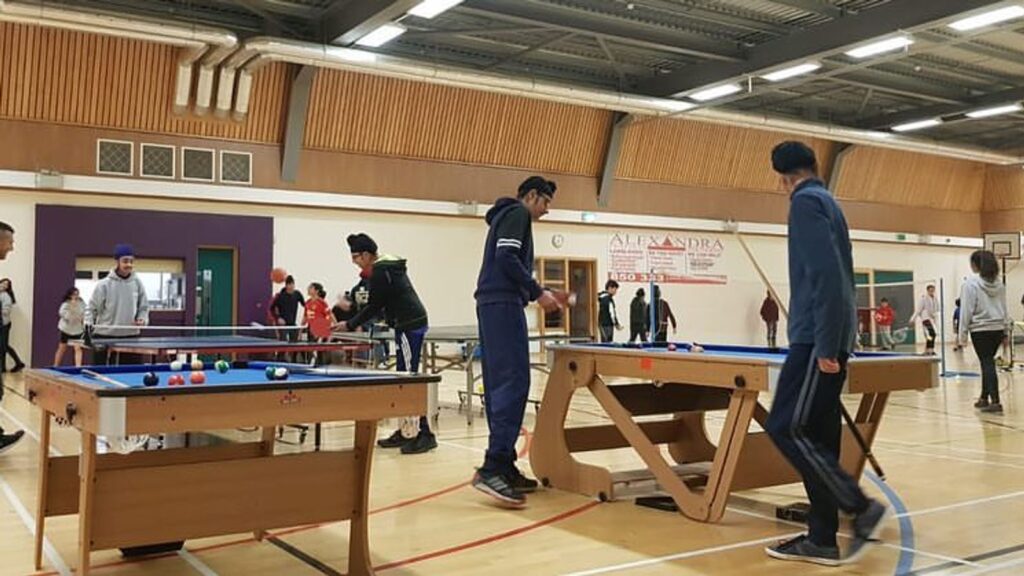
Why This Matters: The Real Costs of Closing Youth Clubs
Youth clubs aren’t just fun, they’re critical.
1. Learning and Grades Fall
When clubs close, GCSE results drop by roughly half a grade per subject. For students on free school meals, the decline is even steeper: 1.5 grades lost on average in a subject.
2. Crime Spikes due to closure of Youth Clubs
The absence of these centres means more teens turning to crime, as youth offending rose by about 14% in some areas.
3. Vulnerable Youth Left Out
Clubs were often the only safe space for vulnerable teens (about 60–65% of those affected by violence still attended clubs), compared to only 31% who weren’t affected.
If that isn’t a wake-up call, I don’t know what is.
What Young People Feel about the Closure of Youth Clubs
It’s not just about statistics, it’s about experience. Without youth clubs:
- Support systems crumble when trusted adults disappear from teens’ lives.
- Loneliness skyrockets. Over the past year, nearly 95% of 12–17-year-olds say they’d rather stay home than meet friends in person.
- Missed lifelines for those dealing with abuse, exclusion, or mental health struggles.
Youth centres weren’t just hangouts, they were mentors, safe spaces, and life-savers in disguise.
Fixing It Means More Than Funding Buildings
Yes, money helps—but real change needs more than just paint and tiles.
- Support the youth workers: They weren’t just staff, they were guides, mentors, and role models. Funding needs to cover their training and sustainability.
- Design with youth: Spaces must be co-created, not imposed. Let young people decide what they need. Clubs should reflect their cultures, styles, and needs.
- Tap unused spaces: Empty libraries, community halls, and disused buildings can become drop-in centres, coding zones, or creative hubs. Ideas like this worked in Birmingham’s Sutton Coldfield centre.
- Tie youth provision to education & mental health: Make youth work a cornerstone of early intervention—better than repairs on the back end.
- Back accountability: Hold councils and national bodies accountable for youth investment, not just once, but sustained over time.
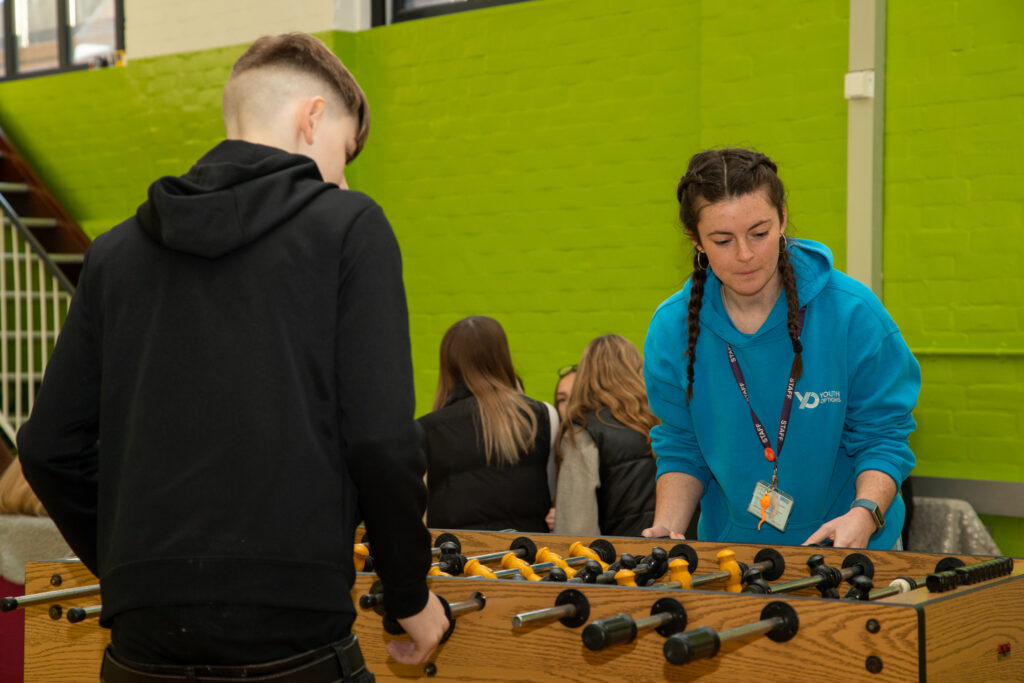
What This Means for You and Your Generation
- If you’ve ever felt stuck, invisible, or forgotten, this conversation is for you.
- If lockdowns deprived you of social spaces, your post-pandemic generation demands better.
- If you’re hungry for opportunities, creativity, or connection, then now’s the time to speak up.
Youth clubs aren’t relics of the past, they’re engines of the future. Supporting them isn’t charity, it’s common sense.
Bottom Line
We’re at a crossroads: We can let history repeat itself—cutting corners and cutting futures—or we can choose to rebuild, reimagine, and reignite youth potential.
If we want a generation that’s confident, creative, and connected, investing in youth spaces should be non-negotiable. After all, when we lift young people up, we lift society as a whole.
So speak out. Demand spaces. Because the only thing worse than losing these centres? Never even trying to bring them back.
Thank you for reading, click the link to read more of our Most Recent Articles
