
Leadership is often mistaken for authority, and you can see why. Many people think leadership is about being the loudest person in the room, giving instructions, or simply being “in charge.” But in reality, leadership is mostly about people management.
The one thing every human being has? They all feel emotions, and sometimes those emotions are unpleasant. For instance, employees want to feel respected and teams want to feel understood. At the same time, customers want you to value them and partners want to know that you are listening to their concerns.
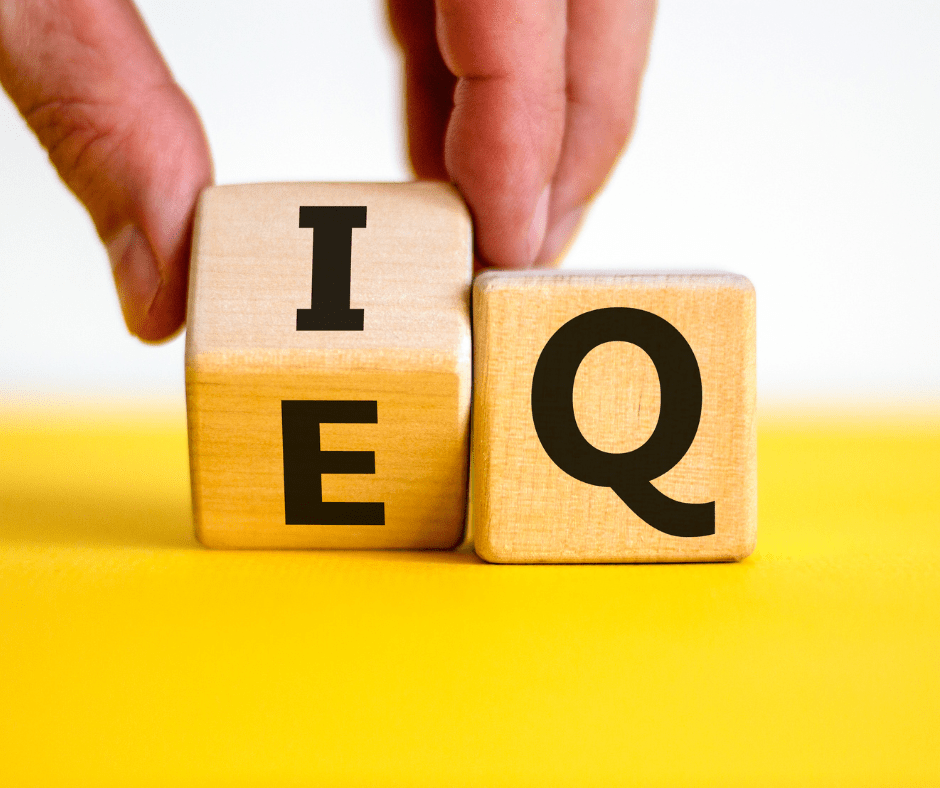
This is why Emotional Intelligence has become one of the most important leadership skills in today’s world. A leader may be brilliant technically, but if they cannot manage emotions, communicate effectively, or understand people, they will struggle to lead effectively over time. Keyword being “over time”.
You see, in the first few months of years, you may be able to carry people along by just being the boss, but to inspire long term commitment, you have to connect with the people in your team.
According to the UK-based Chartered Management Institute (CMI), emotional intelligence is increasingly recognised as one of the defining traits of successful leadership because it directly affects workplace culture, productivity, and communication.
In simple terms, emotional intelligence determines how leaders handle people. This means that because leadership is largely about people, emotional intelligence may be the most important leadership skill of all.
1. Emotional Intelligence Helps Leaders Build Stronger Teams
One of the biggest responsibilities of any leader is building and managing teams. This is difficult without emotional intelligence.
Emotionally intelligent leaders understand how to communicate with different personalities, and how to resolve conflicts. That’s not all though, they also understand how to motivate struggling team members. Creating trust in a workplace is key for seamless workflow, and you need emotional intelligence for that too.
People perform better when they know the leadership above them understands and respects them.
According to research from the Chartered Institute of Personnel and Development (CIPD), positive workplace relationships significantly improve employee engagement and overall organisational performance.
That matters because disengaged employees will produce lower-quality work, which will affect the company’s goals and objectives. A leader who lacks emotional intelligence may create fear or anxiety in a team, instead of motivation.
Fear, as you know, rarely produces long-term excellence. These types of leaders also understand that different people respond differently to pressure. Some employees need encouragement. Others need structure. Others need more autonomy.
Understanding these emotional differences helps leaders get the best out of people. In situations like this, treating everyone the same way becomes a bad idea.
For example, if I have a child who likes being alone and doesn’t like interacting with people, punishing him by making him stay by himself would not be a punishment at all. Knowing what motivates people and what they respond to is important if you’re going to get them to be productive.
READ ALSO: The Tactical Empathy That Built History’s Greatest Leaders

2. It Improves Decision-Making
Many people assume leadership decisions should be completely emotionless. That sounds logical in theory, but leadership decisions involve human beings, and human beings are emotional by nature.
Emotionally intelligent leaders know how to:
- Stay calm under pressure
- Avoid emotional overreactions
- Handle criticism properly
- Make balanced decisions during stressful situations
This is extremely important during crises. According to the Institute for Supply Management, leaders with strong emotional intelligence often perform better under pressure because they can regulate emotions effectively while maintaining team confidence.
This ability affects everything from business negotiations and crisis communication, to team restructuring and workplace discipline. For example, a leader who reacts angrily during difficult moments may damage staff morale instantly.
But a leader who remains composed can stabilize the entire environment. That emotional stability becomes contagious. And in leadership, emotional stability is your superpower.
3. Emotionally Intelligent Leaders Communicate Better
Communication is one of the most overlooked leadership skills. Many workplace problems are not caused by incompetence, they are caused by poor communication. Emotionally intelligent leaders understand that communication is not just about speaking.
It is also about:
- Listening
- Reading emotions
- Understanding tone
- Paying attention to body language
- Responding appropriately
Communication is as much about what is said as it is about what’s not said.
According to the Advisory, Conciliation and Arbitration Service (ACAS), poor communication is one of the leading causes of workplace conflict in the UK.
That makes emotional intelligence extremely valuable. Leaders who communicate well often build loyalty, reduce tension, encourage collaboration, and improve employee confidence.
Employees are far more likely to trust leaders who genuinely listen to them. And trust is one of the foundations of effective leadership. Without trust, leadership becomes extremely difficult.
ALSO READ: Top 10 AI Tools for Founders and CEOs in 2026
4. It Helps Leaders Handle Conflict
Conflict is unavoidable anywhere people work together. Different personalities, opinions, and expectations naturally create tension sometimes. The difference lies in how leaders handle it.
Leaders should avoid escalating conflicts unnecessarily, address problems calmly and directly, separate emotions from facts, and focus on solutions. Don’t go and address everyone in the news room when you actually only have an issue with one editor.
This is important because workplace conflict can become expensive, if not handled properly. As of 2015, 38% of employees in the UK experienced some interpersonal conflict annually.
According to the UK government-backed Health and Safety Executive (HSE), stress, anxiety, and workplace tension contribute significantly to productivity loss across British workplaces.
Poor leadership often worsens these situations. A leader who humiliates employees publicly, ignores emotional concerns, or reacts emotionally to criticism can quickly create a toxic workplace culture.
In competitive industries, retaining talented employees is more important than getting new talented hires.
Conclusion
The truth is this: Leadership is not just about strategy, intelligence, or technical skill. It is about people. And because leadership revolves around people, emotional intelligence becomes essential.
A leader who understands emotions:
- Builds stronger teams
- Communicates more effectively
- Handles pressure better
- Resolves conflict more successfully
- Creates healthier workplace cultures
In today’s world, people no longer want leaders who simply command authority. They crave leaders who understand human beings. This means that emotional intelligence is no longer optional for leaders, because it is essential for long-term success.
As workplaces continue evolving, emotionally intelligent leadership may become one of the biggest differences between organisations that grow and organisations that struggle.
LATEST POSTS
- Why Is Life Still So Expensive in the UK?
- How AI Is Changing Jobs and the Skills Workers Need
- Online Gaming Safety Is Worrying Parents: How Can Families Protect Children Without Banning Technology?
- Football Spending vs Success: The Truth About Premier League Clubs
- University or Apprenticeship in the UK: How to Choose the Right Path
