
Since 2020, the UK nightlife scene has been quietly dying — and young people are feeling the fallout hard.
A Quarter of the Nightlife Gone
New data from the Night Time Industries Association (NTIA) shows that over one in four late-night venues — nearly 800 businesses — have closed their doors since 2020. That’s a 26.4% decline in just five years, while the wider hospitality sector has contracted by 14.2%. In recent months, venues have been disappearing at a rate of three per week
Right now, there are only 2,424 late-night venues left across the UK. In practical terms, that means £— nightclubs, after-hours bars, and grassroots venues that used to bring life to the streets at midnight — are gone. Welcome to what industry voices call “night-time deserts.”
Why the decline in the UK Nightlife Scene Matters — Especially for Young People
This isn’t just about fewer places to go out. These venues are engines of culture, creativity, and community. Michael Kill, CEO of NTIA, says that “small venues nurture new talent… You don’t get Ed Sheeran, Dua Lipa, or Oasis without small venues.” Take Sheffield’s Leadmill, a venue that hosted names like Arctic Monkeys and Jorja Smith — its closure in June 2025 is a devastating reminder of what’s slipping away.
For young people, nightlife is pivotal. It’s where friendships are forged, identity is explored, and passion for music or performance is sparked. The Guardian earlier posed a chilling question: “What would culture look like without nightlife?” — pointing to how closures strip away spaces where communities form, movements begin, and cultural revolutions are breathed into life.
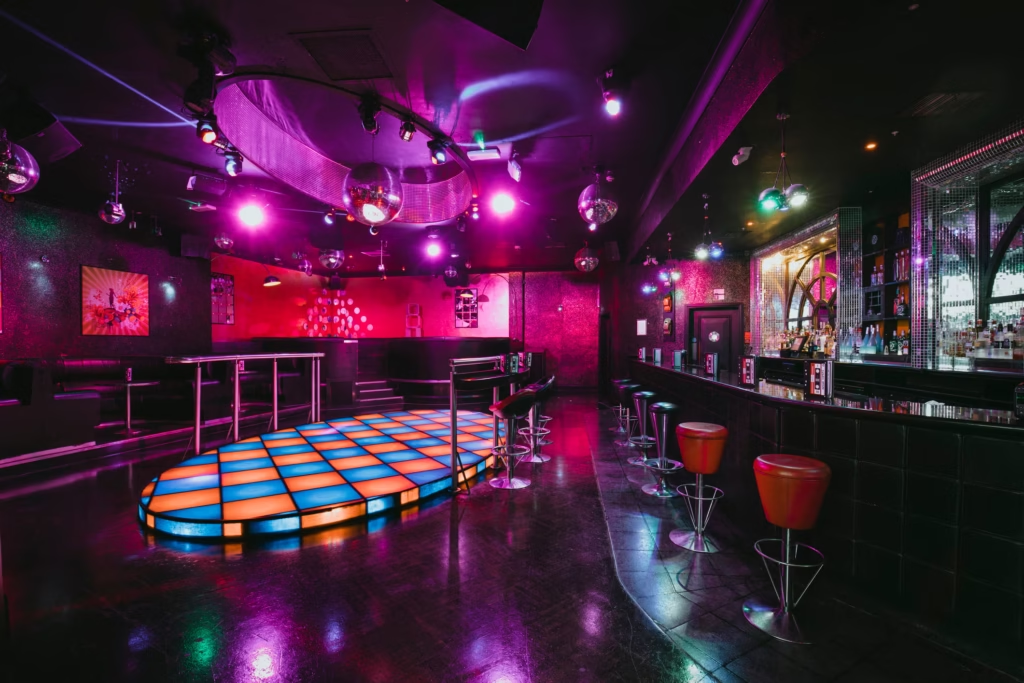
The Domino Effect of the decline in the UK Nightlife Scene Matters : Jobs, Culture, and Confidence
This collapse is more than just an economic hit. The hospitality sector has lost 89,000 jobs since last year’s autumn budget — parted largely by tax hikes and rising employer costs. Meanwhile, entry-level opportunities are plunging, and job vacancies are at a five-year low.
Young creatives — DJs, poets, spoken-word artists, bands — are being squeezed out. Without safe, affordable spaces to perform, try, fail, and grow, the careers of the next generation are being stifled before they even begin.
The Call for Salvation: What Needs to Change
Industry groups are pushing back. NTIA is urging the government to enact urgent reforms: cut VAT, reverse the National Insurance hike, and preserve business rates relief until broader reforms — that favour night-time businesses — are in place. Without action, the warning is stark: the night-time economy could vanish entirely by 2029.
There are fresh ideas on the table, too. Bompas & Parr’s creative vision proposes transforming empty office blocks in underused financial districts like Canary Wharf into nightlife hubs — lobbies as DJ booths, rooftops as light-show terraces. With little residential pushback, these spaces could breathe new life into evening culture.
Beyond Business — Why It Hits Weaker Communities Hardest
Urban centres with multicultural youth populations rely heavily on nightlife venues for affordable gathering spaces and platforms for expression. When these shut down, the loss isn’t just economic — it erases cultural belonging, shuts off opportunity, and deepens isolation. For many young people dealing with intense financial pressure, wage stagnation, or mental health struggles, a night out isn’t frivolous — it’s vital.
What Can Young People Do?
- Speak Up: Share your experiences. The Guardian is collecting stories about nightlife losses on its TikTok and news channels — your voice matters.
- Go Local: When you can, support the few venues still standing — they’re more than just businesses; they’re cultural lifelines. even small venues matter.
- Build Alternatives: Pop-up shows in community centres, street performance nights, creative gatherings — these can fill voids before the system adapts.
- Demand Policy Action: Urge policymakers to act now. Youth voices must inform their decisions.
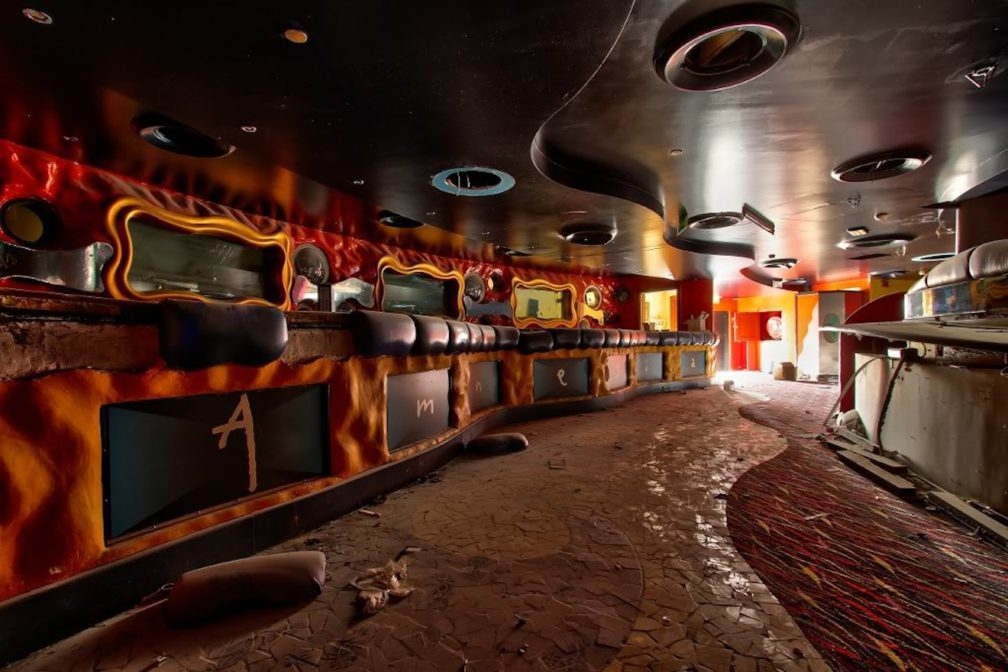
Nightlife Isn’t Nostalgia — It’s the Future
This crisis isn’t a passing phase; it’s a turning point. If we let nightlife disappear, we risk losing our cultural infrastructure forever. Without these spaces, young people lose opportunities for growth, creative expression, and connection — everything that fuels identity, art, and community.
But there’s hope. By fighting back together — demanding reform, celebrating grassroots venues, and reimagining what nightlife can be — we can save the night for the next generation.
Let’s not watch the lights go out.
Thank you for reading, click the link to read more of our Opinion Articles
