
The UK just made a historic move — and if you’re 16 or 17, your voice just got a lot louder. In a decision that’s already sparking headlines, debates, and a whole lot of online noise, the government has officially announced that they’ll be lowering the voting age to 16 for the next general election. That’s right: Gen Z and even some of Gen Alpha are about to step into the ballot box and make their voices heard at a national level.
This isn’t just about politics — it’s about power. It’s about a generation that’s already shaping culture, driving change, and using social media to call out injustice finally getting formal political power.
But what does it really mean? Why now? And how will it change things — for young people and the UK as a whole?
Let’s break it down.
Lowering the Voting age to 16: Why This Change Matters
First off, this isn’t a totally new idea. Scotland already allows 16- and 17-year-olds to vote in Scottish Parliament and local elections. Wales followed suit for its Senedd elections. But until now, Westminster — the UK’s central government — kept the voting age at 18.
That meant that young people who were old enough to work full-time, pay taxes, get married, or even serve in the armed forces, weren’t considered “mature” enough to vote.
It never made sense.
Now, after years of campaigns from youth organisations, political activists, and thousands of young voices calling for change — the UK government has finally said: “You’re in.”
For the next general election, 16- and 17-year-olds will be able to vote alongside the rest of the country. That’s about 1.5 million new voters entering the system. And they’re not walking in quietly.
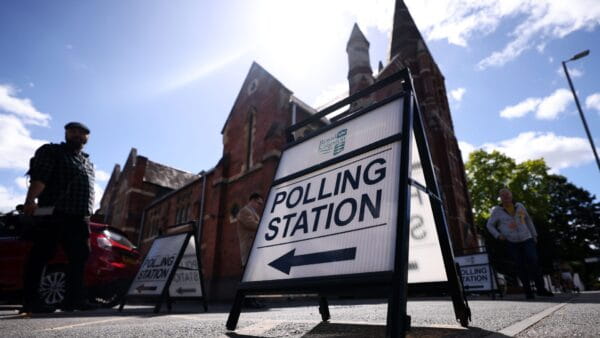
Lowering the Voting age to 16 is A Wake-Up Call for Politicians
If you’re a politician, this changes the game. Why? Because young people aren’t passive. They care. They’re informed. And they’re ready to hold people accountable.
From climate change and mental health to education, cost of living, housing, and racial justice — the 16–25 generation isn’t just talking. They’re marching, posting, creating movements, and showing up.
They’ve grown up in a world of political chaos — austerity, Brexit, COVID, tuition hikes, and a housing crisis. They’ve seen what happens when decisions are made without them. Now they get a say in shaping those decisions.
Expect parties to start tailoring their manifestos toward youth issues. Expect TikTok campaigns, influencer collabs, and more young people on political panels. Because the youth vote just became one of the most powerful blocks in the country.
The Impact on Real Lives
Let’s get personal. What does this mean for you?
✅ Your opinion now carries weight — It’s not just an Instagram caption or a Twitter thread. Your vote will influence real policies.
✅ You get a seat at the table — Want better funding for schools, fairer mental health support, lower tuition fees, or action on climate? Now you have the ballot power to push those changes.
✅ You can demand better representation — This could pave the way for more young MPs, councillors, and youth-led political initiatives.
✅ It boosts civic confidence — Getting involved in democracy early helps build lifelong habits of voting, activism, and leadership.
For years, older generations have made choices that directly affect young people’s futures — from education funding to job markets to environmental decisions. Now, 16- and 17-year-olds get to help steer the ship.
Still Some Challenges Ahead
Let’s keep it real: being allowed to vote doesn’t mean the system is suddenly fixed.
There are challenges:
- Political education is still lacking. Schools often don’t teach students how voting works, how to evaluate policies, or how to understand manifestos. That needs to change fast.
- Voter registration needs to improve. Young people often don’t get the reminders or support to register in time. That needs to be a major focus.
- Trust in politics is low. After years of broken promises and scandal, many young people don’t believe politicians care. Winning that trust back will take more than just a new age limit.
But despite all of this, the opportunity is massive.
Now the government have lowered the voting age, What Happens Next?
The next general election is expected to take place by early 2025 — and that gives us time.
Time to learn about the issues, register to vote, and build communities. Additionally, hold events, and get loud on the issues that matter most.
If you’re 16 or 17, start paying attention to the policies that affect your daily life — student loans, public transport, rent, jobs, mental health services, school funding, climate laws. These aren’t just “grown-up” issues. They’re youth issues.
If you’re already voting age, make space for your younger peers. Share knowledge. Encourage them. And hold your elected officials accountable — loudly.
The Bottom Line
Lowering the voting age to 16 is more than a political shift. It’s a cultural one.
It’s a reminder that young people aren’t just “the future” — they’re the present. They’re shaping everything from fashion and media to business and tech. Now, they’re shaping government, too.
Whether you’re voting for the first time or the fifth, don’t underestimate the power of your ballot. Because change doesn’t just come from the top down — it starts with us. In our schools, in our streets, in our voices, and now, in our votes.
The UK just gave you the mic.
Don’t waste the moment.
Thank you for reading, click the link to read more of our Politics Articles
