
For decades, global economists and foreign investors spoke of the African continent with a singular, cautious phrase: the future. It was viewed as a distant frontier, a place of latent potential that might one day mature into a viable market. Today, anyone reading the business news today will realise that this outdated narrative has been irrevocably shattered. The consensus has dramatically shifted, championed by visionary leaders who are proving that the continent is already open for serious business.
At the forefront of this economic revolution is entrepreneur, venture capitalist, and globally renowned speaker Vusi Thembekwayo. His central thesis is simple yet profound: Africa is not the future Africa is now.
This is not mere motivational rhetoric. It is a highly calculated, data-driven reality backed by shifting demographics, rapid technological adoption, and unprecedented urbanisation. The overarching vision driving his current work can be summarised by his ambitious manifesto: Vusi Thembekwayo: Africa is NOW — how he’s building 100 businesses, 100, 000 jobs, and leading the new era of African enterprise, investment, and global opportunity.
In this comprehensive exploration, we will delve into the mechanisms behind this bold mission. We will explore how strategic investments are transforming the landscape, why disruptive technologies are changing the game, and how global investors can participate in the greatest economic awakening of our time.
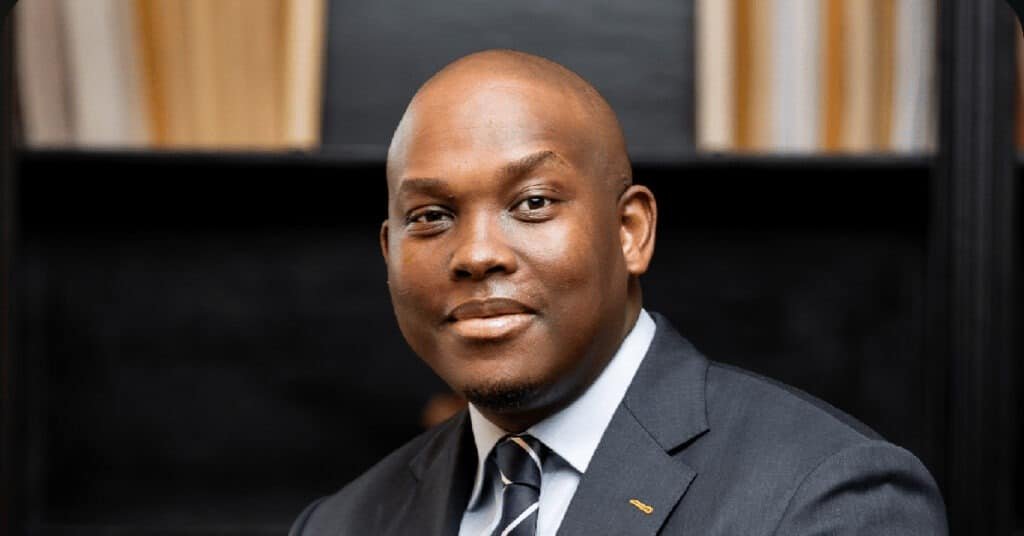
The Visionary Behind the Movement: Who is Vusi Thembekwayo?
To understand the scale of this pan-African ambition, one must first understand the architect behind it. Born in South Africa, Vusi Thembekwayo’s rise from a township in Benoni to the upper echelons of global finance is a testament to the sheer resilience of African entrepreneurship.
He did not inherit wealth; he built it through relentless tenacity, acute business intelligence, and an unparalleled ability to communicate complex economic realities to global audiences. However, Thembekwayo soon realised that speaking about wealth creation strategies for emerging leaders was not enough. To truly shift the economic dial on the continent, one needed to deploy capital, build infrastructure, and take calculated risks on local founders.
This realisation marked his transition from a celebrated business speaker to a formidable force in venture capital Africa. Today, his focus is firmly fixed on catalysing high-growth investment opportunities in Africa, specifically targeting enterprises that solve distinctly local problems while demonstrating the potential for global scale.
The Grand Mission: 100 Businesses, 100,000 Jobs
The most striking element of Thembekwayo’s agenda is his quantifiable goal: to build and scale 100 robust, sustainable businesses that will collectively generate 100,000 jobs. But why this specific metric?
Tackling Youth Unemployment in Africa
The demographic dividend of the continent is well-documented. By 2050, a quarter of the world’s population will be African, and the vast majority will be under the age of 30. While this presents an incredible consumer market, it also poses a significant risk: youth unemployment Africa.
Without jobs, a young population can lead to civil unrest and economic stagnation. Thembekwayo’s approach focuses on solving youth unemployment through entrepreneurship. By funding scalable businesses rather than micro-enterprises, the objective is to create institutional employers.
The Socio-Economic Impact of Job Creation
The socio-economic impact of job creation in emerging markets operates on an immense multiplier effect. In many African economies, a single formally employed individual financially supports up to five dependents. Therefore, creating 100,000 direct jobs indirectly uplifts half a million people out of poverty.
This model of social entrepreneurship Africa goes beyond corporate social responsibility; it embeds social upliftment directly into the commercial viability of the enterprise. When businesses solve foundational problems—such as logistics, healthcare access, or financial inclusion—they inherently drive African economic development.
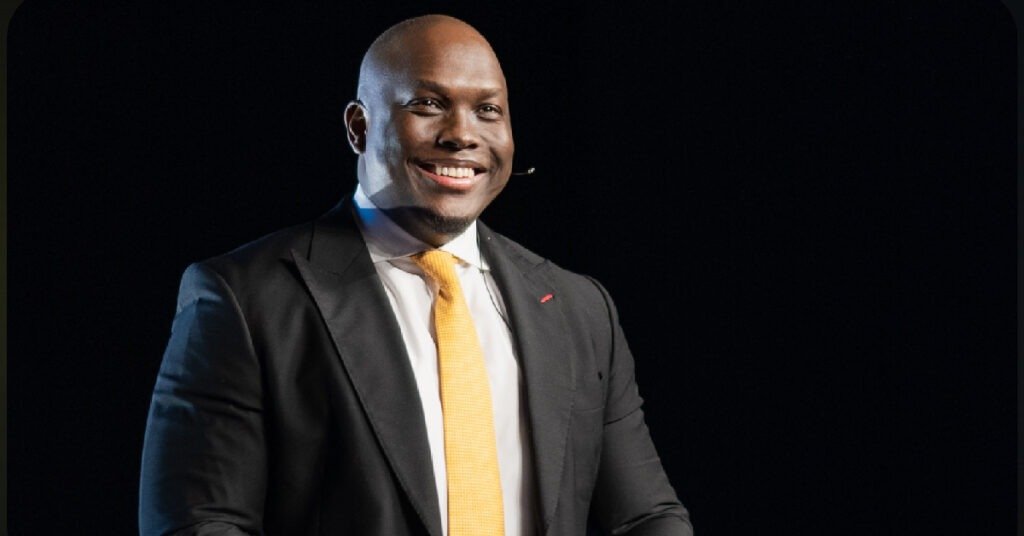
MyGrowthFund Venture Partners: Engineering Growth
To execute a vision of this magnitude, Thembekwayo founded MyGrowthFund Venture Partners. This firm operates at the bleeding edge of the African venture capital market trends, providing both the capital and the crucial mentorship required to navigate turbulent emerging markets.
The MyGrowthFund Venture Partners Investment Philosophy
The MyGrowthFund Venture Partners investment philosophy is distinctly pragmatic. Traditional Silicon Valley venture capital models, which often prioritise rapid user acquisition over early profitability, frequently fail when applied to African startups. Capital is more expensive, consumer spending power fluctuates, and infrastructural gaps require businesses to be highly resilient.
MyGrowthFund focuses on:
- Unit Economics from Day One: Startups must demonstrate a clear path to profitability.
- Founder Resilience: Investing in leaders who possess the grit to navigate regulatory and infrastructural hurdles.
- High-Impact Sectors: Prioritising emerging industries Africa, such as agritech, fintech, supply chain logistics, and healthtech.
The Africa is Now Investment Thesis
Underpinning every capital allocation is the Africa is Now investment thesis. This thesis argues that the convergence of mobile internet penetration, a growing middle class, and the implementation of the African Continental Free Trade Area (AfCFTA) has created a unique, time-sensitive window for outsized returns. Regardless of the time in South Africa, Nigeria, or Kenya, the clock is ticking for global investors to secure a foothold in these rapidly maturing markets.
Navigating the African Business Landscape vs Global Markets
One of the most critical lessons Thembekwayo imparts to both founders and foreign investors is that one cannot copy and paste Western business models onto the continent. The African business landscape vs global markets is fundamentally different.
