
Inflation is one of those economic words that quickly becomes personal. Rising prices force households to stretch each pay packet across rent, groceries, travel, subscriptions and energy bills. This guide explains how UK inflation trends affect everyday spending decisions and household budgets. Practical tips can help you manage rising costs, prioritise essential expenses and protect your finances.
.
What is inflation, in plain English?
Inflation means the general price of goods and services is going up. A basket costing £100 last year now costs £103, so inflation reduces your money’s purchasing power over time. Although prices rise at different rates, inflation increases the overall cost of living for most households.
The UK tracks inflation through the Consumer Prices Index, which measures price changes across many everyday goods and services. The Bank of England targets 2% inflation over the medium term, but August 2026 CPI reached 3.1%. CPIH, which also includes owner-occupiers’ housing costs, reached 3.3% during the same period, according to official figures. The next official consumer price inflation release, covering September 2026, is confirmed for 21 October 2026. (ons.gov.uk)
That gap between the target and the current rate matters because higher inflation can change how households spend. If wages, benefits or savings interest do not keep pace, people may feel poorer even if their income has not fallen. This is the core of the uk inflation impact on living costs: pressure builds gradually, then shows up in harder choices at the supermarket, on rent renewals and when direct debits leave the account.
September’s figures are due this week
The Office for National Statistics will publish September 2026 inflation figures on Wednesday, 21 October 2026. Analysts expect inflation to increase, although forecasts may differ from the final official figures. Deutsche Bank economists forecast UK headline CPI inflation to reach 3.49% year-on-year in September 2026. The Bank of England expects CPI inflation to rise to approximately 3.75% during the final quarter of 2026. This article should incorporate official figures upon release, because detailed price changes determine how inflation affects households. (fxstreet.com)
The headline rate is useful, but it is only the starting point. A family that rents privately, drives regularly and uses more gas in winter may experience inflation very differently from someone with a fixed mortgage, no car and low energy use. That is why it helps to look at the main household bills one by one.
What does inflation mean for your rent, food shop and energy bills?
Inflation means these costs can rise even when your lifestyle has not changed. Rent may increase at renewal, supermarket totals can creep up through smaller pack sizes or fewer promotions, and energy bills can rise when wholesale costs or regulated unit prices move higher. The result is a tighter monthly budget, especially because these are essentials rather than nice-to-have purchases.
Rent can absorb more of your income
Rent is often the biggest monthly outgoing, so even a modest rise can reshape a budget. Private renters may see higher costs when a fixed term ends, when a tenancy rolls onto a new agreement, or when a landlord reviews the rent in line with local market conditions. Inflation does not automatically mean your rent must rise by the same percentage, but it can form part of the wider backdrop landlords point to when their own costs increase.
The ONS reported that average monthly private rent in the UK was £1,400 in August 2026. A national average will not reflect every town, city or property type, but it shows why rent is such a sensitive part of the cost of living conversation: when housing costs rise, there is less room for saving, debt repayment and day-to-day flexibility. (ons.gov.uk)
If you are renting, read your tenancy agreement before assuming what can change. Check whether there is a rent review clause, when your fixed period ends, and how much notice your landlord must give. If a proposed increase feels unaffordable, it may be worth preparing evidence of comparable local rents and discussing a smaller rise, a longer fixed term, or a phased change.
Food inflation changes what the same basket costs
Food inflation is felt immediately because most households shop every week. It can show up as higher shelf prices, fewer discounts, more expensive branded items, or cheaper ranges selling out faster. Even when official food inflation looks relatively modest, shoppers may still feel squeezed because prices rose sharply in earlier periods and have not necessarily fallen back.
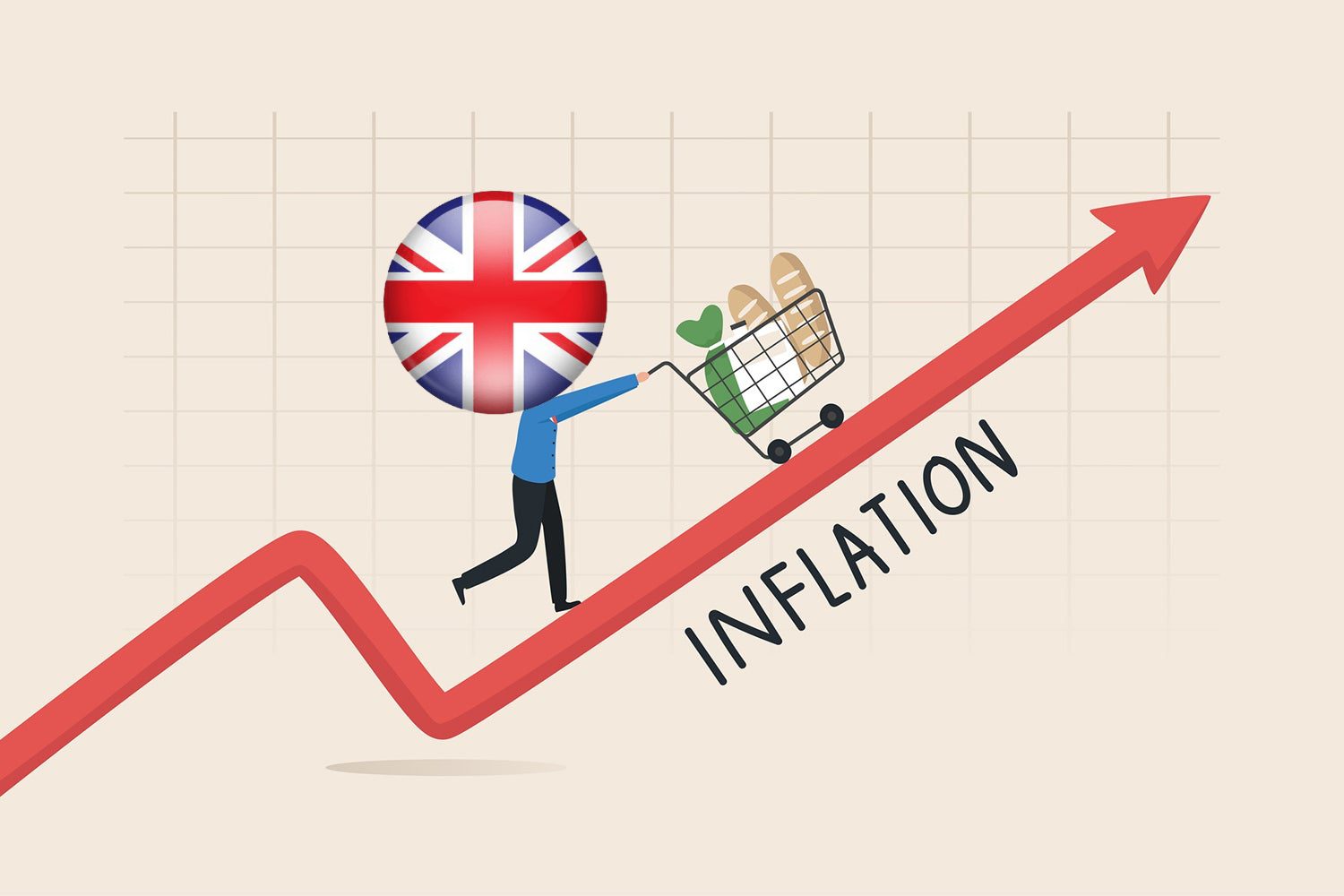
The practical impact is simple: a £70 weekly shop becoming £74 may not sound dramatic in isolation, but over a year it adds up. It can also change behaviour. Households may switch supermarkets, plan meals more carefully, buy frozen instead of fresh for some items, reduce takeaways, or choose own-label products to keep spending under control.
A useful food-budget routine is to split your shop into three groups:
- Must-buy staples: bread, milk, rice, pasta, eggs, vegetables, baby items or dietary essentials.
- Flexible items: snacks, branded goods, premium ranges, ready meals and soft drinks.
- Stock-up products: toiletries, cleaning products, tinned food and freezer items bought when discounted.
This helps you make targeted cuts without turning every shop into a guessing game. The aim is not to remove all enjoyment, but to stop inflation quietly eating into the rest of your budget.
Energy bills are driven by unit prices and usage
Energy bills are often misunderstood because the price cap is not a cap on your total bill. It limits the unit rates and standing charges suppliers can apply to default tariffs, but your final bill still depends on how much gas and electricity you use. A poorly insulated home, a larger household or electric heating can therefore mean much higher costs than the “typical” annual figure.
For 1 October to 31 December 2026, Ofgem announced a 4% increase in the energy price cap for a typical household paying by Direct Debit, taking the annualised typical figure to £1,723 if that level were sustained for a year. This is directly relevant to autumn and winter budgeting, when heating use usually rises. (ofgem.gov.uk)
Practical steps can still help. Submit regular meter readings if you do not have a smart meter, check whether your direct debit reflects actual use, compare fixed and variable tariffs carefully, and look for draughts, heating controls and appliance habits that can reduce waste. Small changes will not cancel out a national price rise, but they can stop bills drifting higher than necessary.
Inflation squeezes the whole household budget
The hardest part of inflation is that it rarely affects just one bill. Rent, food, fuel, insurance, phone contracts and energy can all move at once, leaving less spare cash even when each increase looks manageable on its own. This is why budgeting during inflation is less about one big cut and more about creating a clearer picture of where money is going.
A simple monthly review can make the pressure easier to manage:
- List essential fixed costs such as rent, council tax, broadband, insurance and debt repayments.
- Estimate variable essentials including food, transport and energy, using recent bank statements rather than guesses.
- Mark renewal dates for rent, insurance, mobile contracts and utilities so price rises do not arrive as surprises.
- Create a small buffer for irregular costs, even if it starts with a few pounds each week.
- Prioritise high-interest debt where possible, because inflation plus interest can make balances harder to reduce.
This kind of budget will not make rising prices painless, but it gives you more control. It also helps you spot where action is possible: negotiating a bill, switching provider, changing shopping habits, or asking for support before arrears build.
The wider picture for inflation trends
Inflation trends matter because they influence interest rates, savings, borrowing and confidence. When inflation stays above target, the Bank of England may be more cautious about cutting rates or may consider whether tighter policy is needed. That can affect mortgage costs, loan pricing and the returns offered on savings, even though the link is not always instant.
Recent pressure has been closely tied to energy, fuel and supply costs, while food and rent remain important for how households feel inflation day to day. The Bank of England’s September 2026 summary highlighted higher energy prices as a key reason for its expectation that CPI inflation would rise in the coming quarters. (bankofengland.co.uk)
For households, the takeaway is to avoid relying only on the headline rate. Look at the categories that dominate your own spending. If rent is half your income, housing inflation matters most; if you commute by car, fuel prices matter more; if you have young children, food, childcare and energy use may be the bigger pressure points.
A practical takeaway for households
UK inflation is not just an abstract economic figure. It is the reason the same basket, home and heating habits can cost more than they did before, and it is a useful warning sign for reviewing your budget before pressure builds. With September’s official figures due on 21 October 2026 and analysts expecting an increase, households should keep an eye on the release and revisit their plans once the confirmed data is available.
The best response is calm, practical and specific. Check your biggest bills first, understand when prices can change, and focus on decisions that fit your household rather than chasing every headline. Inflation may be outside your control, but how you prepare for its impact on living costs is not.
