

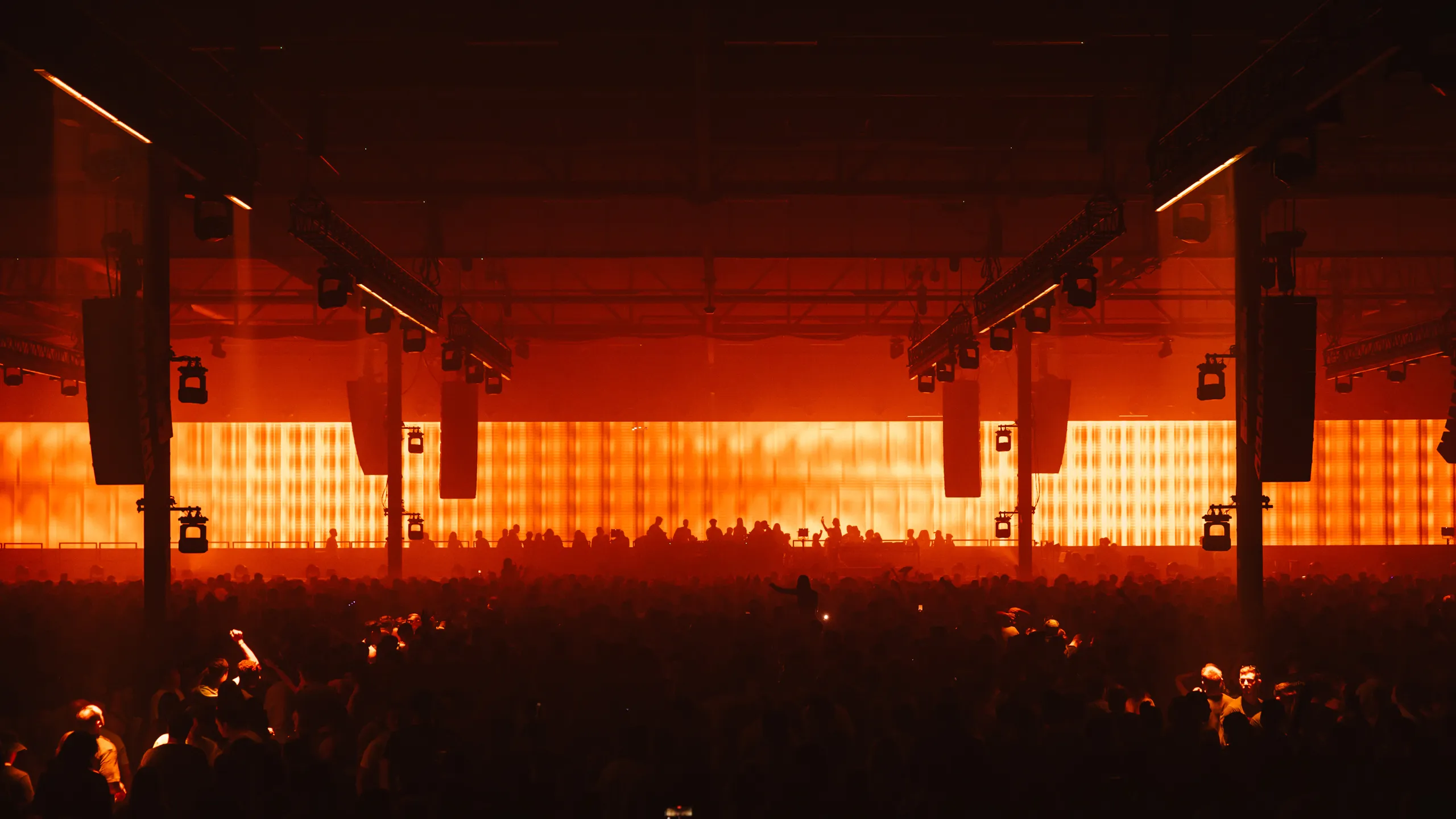
I sit at the intersection of two worlds.
On one side, I lead Inside Success, a business that has turned over £13 million in three years. On the other, I steer U Got Jokes, an entertainment brand producing licensed content for global platforms like Amazon.
As a Black British CEO of Nigerian heritage, I don’t just build businesses; I build ecosystems. Whether I am launching My Sounds Global in the rapidly developing districts of Nigeria or producing events at the Radisson Blu, I see the future through the lens of Afro-futurism—a world where culture and technology merge to create borderless ownership.
But even with an 8-figure track record, when I step back into the UK’s traditional infrastructure, I hit a “brick wall” that my legacy competitors never see: The Venue Tax.
The Systemic Friction of Success
Whether I am booking an awards show for Inside Success at the O2 Indigo or a headline comedy special for U Got Jokes at the Hammersmith Apollo, the story remains the same.
I recently sat down with venue management at the Apollo. I wanted dates. The response?
“Pay £20,000 plus VAT upfront.”

That is £24,000 of working capital tied up immediately. It’s not a credit; it’s a barrier to entry. On top of that, the ultimatum is absolute: the entire balance must be paid 30 days before the show even happens, or the venue can cancel the date entirely.
Meanwhile, legacy companies—the “Old Guard”—operate on a different planet. They book 15 dates at a time, pay on a 60-day invoice after the show, and receive massive cost deductions. They get to keep their cash liquid, and they get to breathe.
This isn’t just a “discount”—it’s a systemic anchor designed to price black businesses out of the market entirely.
The “Single-Night” Risk Trap
In the entertainment business, risk management is everything. A legacy company with 15 dates can survive a bad night. But for a Black British entrepreneur forced to pay £24k upfront for a single night, the margin for error is zero.
If there is a train strike on the day of my show, or a sudden shift in the financial climate, I am the one left holding the bill. I can’t spread my costs or adjust my ticket pricing based on society’s current circumstances because my overheads are locked in, many times months in advance.
When you are priced out of the “credit” system, you are forced into a high-stakes gamble every time you book a stage. That £24k should be going into insurance, better production, and billboard campaigns across the UK. Billboards from the massive poster sites in Manchester to the train stations in Birmingham and London. Instead, it sits in a venue’s bank account while we hustle to raise more capital just to stay in the game.
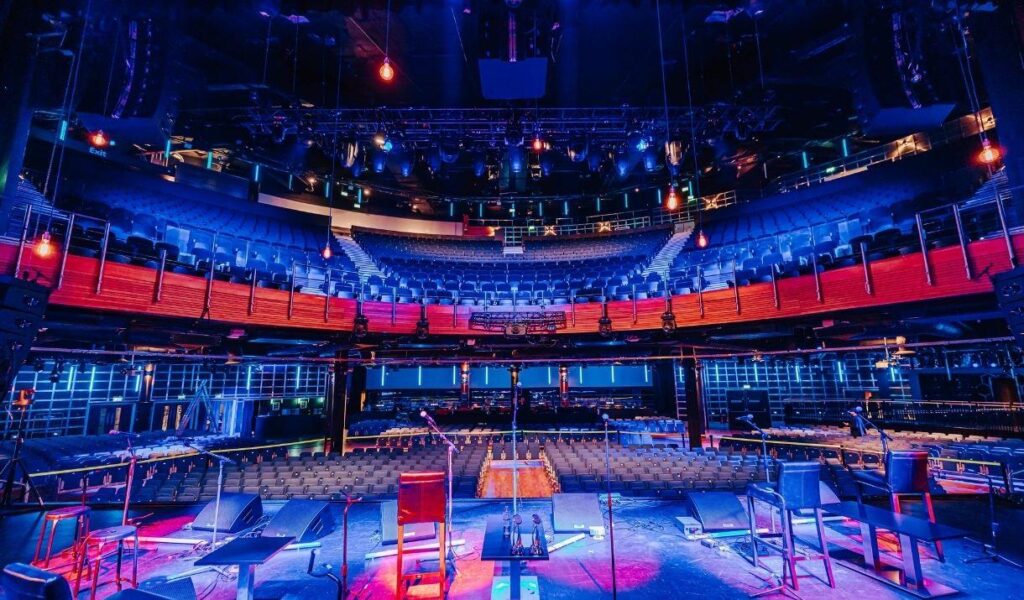
I’ve even seen the O2 Indigo cancel an event because a bank held our funds for just a few days,. This is despite paying a 50% deposit months ahead. There was no partnership. They just shut the doors and kept the deposit.
From the Mud to the Metaverse: The Afro-futurist Pivot
To hit £13M in turnover while being handicapped by these “upfront” demands is a masterclass in financial grit. It is a testament to the resilience I’ve carried from my heritage into the British boardroom. But as I looked at the numbers during a “bad year” of £2.5M, I realized something. You see, the hustle isn’t the final destination. The goal is to build our own table.
This is why my focus has shifted toward Web3 and Decentralization.
The “Old Guard” of venues and legacy finance will always be gatekeepers. That is why we are building an ecosystem powered by Matrix SmartChain (MSC) Coins and decentralized reward systems. We are creating a world where liquidity stays with the creators and the community.
When I launched My Sounds Global in Nigeria, I saw the energy of a continent ready to leapfrog broken Western systems. By moving toward a decentralized model, we remove the “Venue Tax” forever. We replace “Upfront Deposits” with Transparent Smart Contracts and Shared Ownership.
I’ve spent a decade getting “out of the mud” and building an 8-figure empire in a system that wasn’t designed for me. Now, I’m building the digital infrastructure to ensure the next generation owns the fountain, not just the water.
We are currently Enterprise Investment Scheme (EIS) eligible and are inviting partners who understand that the most resilient founders are those who have already conquered the “slanted pitch.”
The culture is global. The ownership must be decentralized.

Leave a Reply
You must be logged in to post a comment.