
This Reform UK: What You Need to Know guide explains the party’s structure, political positioning and current public debates in plain English. It covers what Reform UK stands for, how it is organised, why Tory defectors have become a talking point, and what younger voters may want to look at before forming a view.
What is Reform UK?
Reform UK is a British political party led by Nigel Farage, with Lee Anderson described by the party as chairman in recent official material. The party grew out of the Brexit Party, later rebranding around a broader programme focused on immigration, tax, public services, crime, energy, government efficiency and democratic accountability. Its central pitch is that Westminster is not delivering for ordinary voters and that a sharper break with existing political habits is needed. (reformparty.uk)

In practical terms, Reform UK presents itself as an insurgent alternative to Labour and the Conservatives. Supporters tend to see it as a disruptive force that says what larger parties avoid. Critics often question whether its proposals are deliverable, how it selects candidates, and whether its growth has made it more like the political establishment it attacks.
The party’s structure and leadership model
Reform UK’s constitution sets out a leadership-led organisation with a Party Leader, Party Board and Party Chairman. The chairman chairs board meetings, the annual business meeting, annual conference and extraordinary general meetings, while the board has formal roles in governance and continuity if a leadership vacancy occurs. The constitution also provides for leadership elections and an interim leader if the post unexpectedly becomes vacant. (reformuk.org.uk)
The party has also moved towards a more conventional membership and branch structure than its earlier company-style model. A 2024 conference resolution described plans for Reform UK to become a company limited by guarantee, without shareholders, and to develop a grassroots branch structure in which members could have a greater role in the party’s direction. (assets.nationbuilder.com)
That structure matters because Reform UK has faced questions about centralisation. A leadership-led party can move quickly, communicate clearly and avoid lengthy internal wrangling. The trade-off is that members and local activists may expect more transparency, candidate accountability and influence as the party grows.

What Reform UK says it stands for
Reform UK’s broad political identity is populist, right-leaning and strongly anti-establishment. Its policy documents and campaign messages focus on reducing immigration, cutting taxes, lowering regulation, reforming welfare, backing small businesses, taking a tougher approach to crime, and challenging current net zero policies. The party’s official policy page includes documents on small business, welfare and criminal justice, while recent conference material has emphasised a proposed “first 100 days” agenda. (reformparty.uk)
The party’s supporters often summarise its appeal in three ideas:
- Control: tighter borders, national sovereignty and a stronger say over laws and institutions.
- Cost: lower taxes, cheaper energy and less bureaucracy for households and businesses.
- Consequence: tougher penalties for serious crime and a stronger emphasis on responsibility in welfare and public services.
Those aims are politically potent because they speak to frustration with cost of living pressures, migration levels, housing insecurity and distrust in Westminster. They are also contested, because any party promising major change must explain the legal, financial and administrative detail behind it.
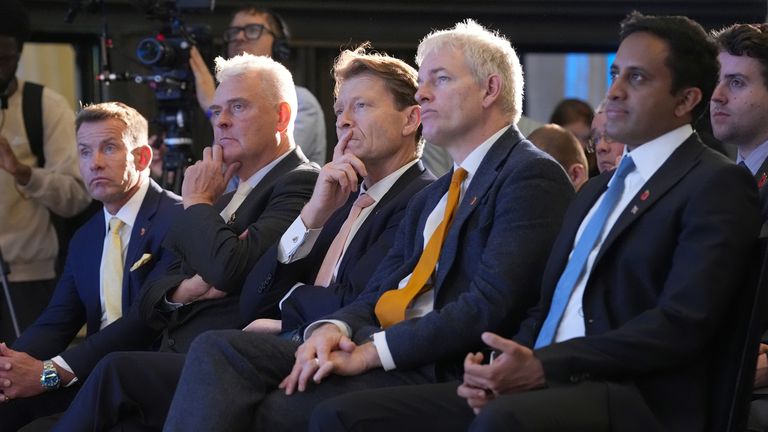
Did Reform UK say it would not accept Tory defectors?
The short answer is: Reform UK has accepted Conservative defectors, but Nigel Farage also set a deadline in 2026 for further defections. That is why searches such as “i thought reform uk did not accept tory defectors” have become common; people have seen Reform criticise the Conservatives while also welcoming some former Conservative politicians into its ranks.
In January 2026, reports said Robert Jenrick joined Reform after leaving the Conservative front bench, and other Conservative figures were also linked with or confirmed as defectors. Farage then said potential defectors had until 7 May 2026 to switch, framing the deadline as a way to avoid Reform becoming a refuge for every late-moving Conservative politician. (news.sky.com)
For voters, the key issue is not simply whether a candidate used to be Conservative. It is whether they clearly support Reform UK’s current programme, whether local members trust them, and whether they can explain what they would do differently from the previous Conservative governments. Former ministers may bring experience, but they may also bring political baggage.
Why younger people are paying attention
For younger voters, Reform UK is relevant even if they are sceptical of it. The party’s positions touch issues that shape early adult life: rent, wages, tax, migration, energy bills, crime, public services, training and whether young people feel they have a realistic route into home ownership.
A useful way for younger people to assess Reform UK is to look beyond clips and slogans. Short videos can make politics feel immediate, but they rarely show how a policy would work in practice. If you are a student, apprentice, young worker, renter or first-time buyer, the most important question is not whether a party sounds angry on your behalf; it is whether its plans would improve your real options.
Young people may want to check:
- Housing impact: Does the party explain how more homes would be built, how renters would be protected and how ownership would become more achievable?
- Work and wages: Would its tax and business policies help entry-level workers, small employers and self-employed people?
- Public services: How would it fund the NHS, policing, transport and local councils?
- Personal freedoms: How does it balance security, immigration control and civil liberties?
- Long-term risk: Do the policies still make sense in 10 or 20 years, not just during an election campaign?
This matters because younger voters will live longest with the consequences of today’s decisions. A practical political judgement should include values, but also costs, trade-offs and delivery.
The housing angle and leasehold reform
Some readers searching for Reform UK will also be following uk leasehold reform news, partly because housing is one of the most concrete ways politics affects daily life. Leasehold reform is not the same thing as Reform UK policy, but it is an important UK political issue that any serious national party may be pressed on.
Recent government leasehold reform has focused on stronger protections for leaseholders, clearer service charge information, easier challenges to unfair costs and changes linked to the Leasehold and Freehold Reform Act 2024. The government has also moved towards wider commonhold and leasehold changes, including proposals affecting ground rents and the future of new leasehold flats in England and Wales. (gov.uk)
For voters, the question is simple: where does Reform UK stand on practical housing reform? If the party wants to appeal to younger renters and first-time buyers, it will need answers on supply, affordability, leasehold complexity, planning, infrastructure and local services. Housing policy is rarely solved by one slogan because building, ownership, lending and local consent all interact.

How to evaluate Reform UK fairly
Whether you like or dislike Reform UK, it is worth using the same test you would apply to any party. Strong messaging can reveal public frustration, but good government requires detail, competence and accountability.
A fair assessment should include:
- Read the policy documents: Do not rely only on speeches, headlines or social posts.
- Check the people: Look at your local candidate’s background, statements and community record.
- Ask about delivery: How would the proposal be funded, staffed and implemented?
- Compare alternatives: Put Reform UK’s plans next to Labour, Conservative, Liberal Democrat, Green and nationalist party policies where relevant.
- Watch for changes: Growing parties often adapt their positions as they recruit MPs, councillors and advisers.
- Separate protest from preference: A protest vote sends a message; a governing vote chooses a programme.
This approach avoids both lazy dismissal and blind enthusiasm. Reform UK has clearly changed the political conversation, especially on immigration and distrust of Westminster. The harder question is whether it can turn that pressure into consistent, credible administration.
The takeaway
Reform UK is no longer just a Brexit-era protest vehicle. It is a national party with a recognised leader, a formal constitution, a growing policy platform and a public image built around disruption, border control, lower taxes and anti-establishment politics. Its rise has also brought scrutiny over leadership, candidate quality, Conservative defections and the detail behind its promises.
If you want to engage with Reform UK, take a concrete next step: read its latest policy documents, follow your local branch, attend a public meeting, question your local candidate, and compare its plans with other parties before deciding whether to join, volunteer, donate or support it at the ballot box.
