
1.8 million people wanted in. There were 5,000 seats. And hundreds of thousands of the people in the queue weren’t people at all.
RAYE said it herself. On 13 October she posted on Instagram that her one-off show at the Royal Albert Hall on 23 October had drawn 1.8 million registrations — and that “AI bots” had flooded the presale with “hundreds of thousands of fake registrations”. The presale asked fans to pre-register for a chance at a code. The bots registered too, faster than any human could.
She is not the only one. On 21 October, Sam Fender’s presale for his Proper Massive stadium tour of the UK and Ireland in June 2027 was hit by what he called a “sophisticated bot attack” on the ticketing site Gigantic. The presale was pushed back 24 hours so that, in his words, “real fans get the tickets”. Gigantic said there had been an “unusually high volume of suspicious activity”.
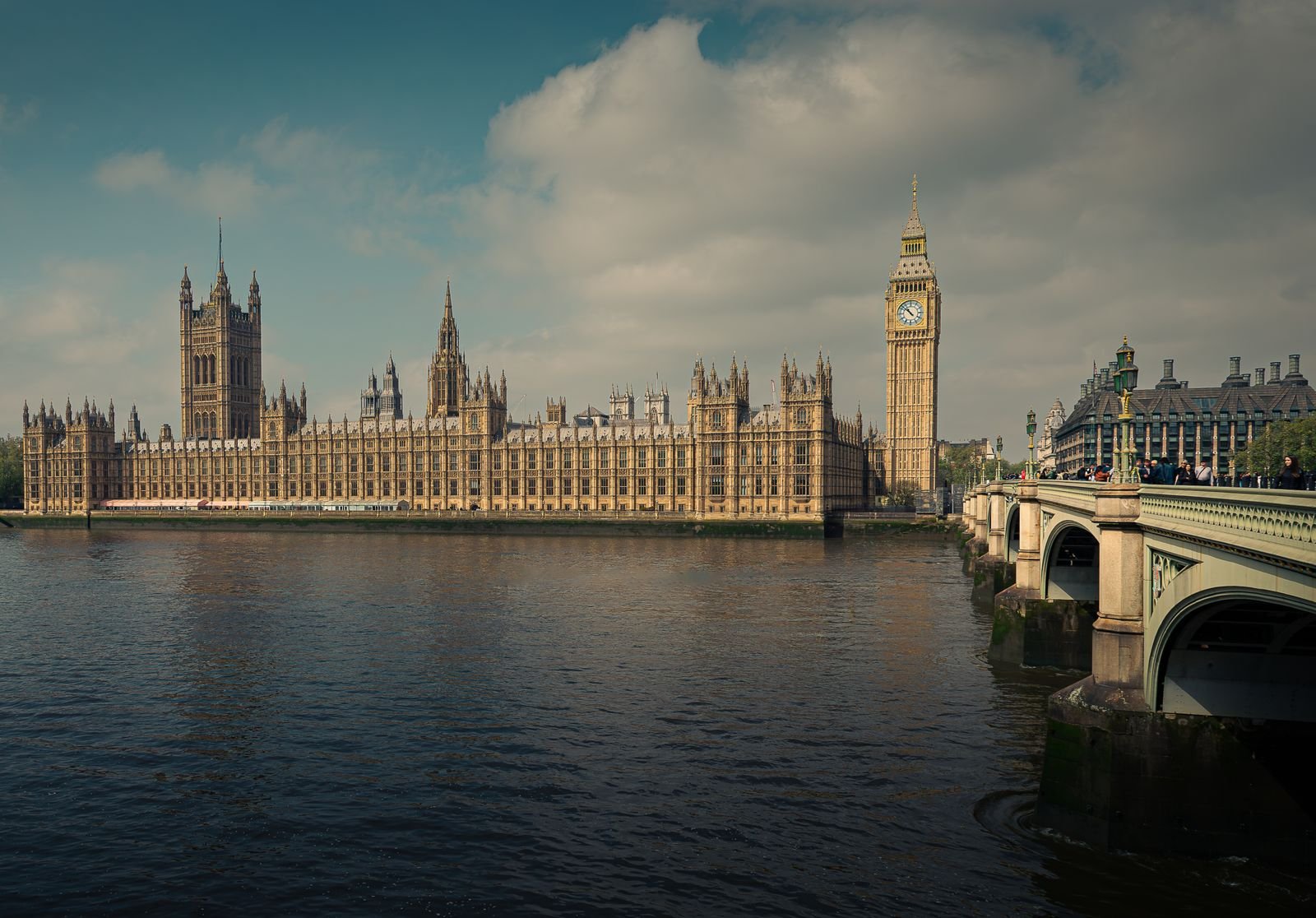
This is the normal now. And this week, Parliament had a chance to act on the other half of the problem — the resale market where the bots’ tickets end up — and voted not to.
The vote that failed
On Wednesday 4 November, MPs voted 286 to 62 against an amendment that would have made it illegal to resell tickets for major sporting events above their original price, including fees. The amendment was put forward by Liberal Democrat MP Anna Sabine as part of the Sporting Events Bill.
Ministers said the vote was not a retreat. The real fix, they said, is a separate piece of legislation, a Ticket Tout Ban Bill, that would generally ban reselling live-event tickets above face value and put new duties on the resale platforms. But that bill is still being drafted, and it will not feature in the parliamentary session that runs until May 2027.
Labour promised in its 2024 election manifesto to cap ticket resale at face value. Two years on, there is still no cap, no ban, and no date. The artists who backed the promise — The Cure, Ed Sheeran, Dua Lipa, Radiohead among them — are still waiting. So are the fans.
Who actually runs the ticket market
The bot problem and the resale problem are the same problem, and they sit on top of a market that is more concentrated than most fans realise.
A parliamentary committee report found that Live Nation directly controlled 58% of the 23.1 million primary tickets on sale in the UK in 2025. Count the affiliated companies and the figure rises to 66%. Live Nation owns Ticketmaster, and it also promotes shows, runs venues and runs festivals — the same company can sell you the ticket, own the room and take a cut at every step.
The Business and Trade Committee has urged the Competition and Markets Authority to launch a full investigation into the live music market before the end of 2026. The CMA has not given a timetable. The committee’s report described a “climate of fear” around the dominant companies, with artists, managers, independent promoters and grassroots venues afraid to speak out.
The scale of the bot traffic is hard to believe until you see the numbers. The Royal Albert Hall told Billboard UK that it routinely blocks millions of bot requests during ticket sales — more than 38 million in a single 24-hour period, separate from the RAYE sale.
What it costs you
Live music is big business. Spending on music tourism in the UK reached £11.2 billion, with 24.7 million music tourists attending events in 2025. That money is real, and so is the price fans pay for it.
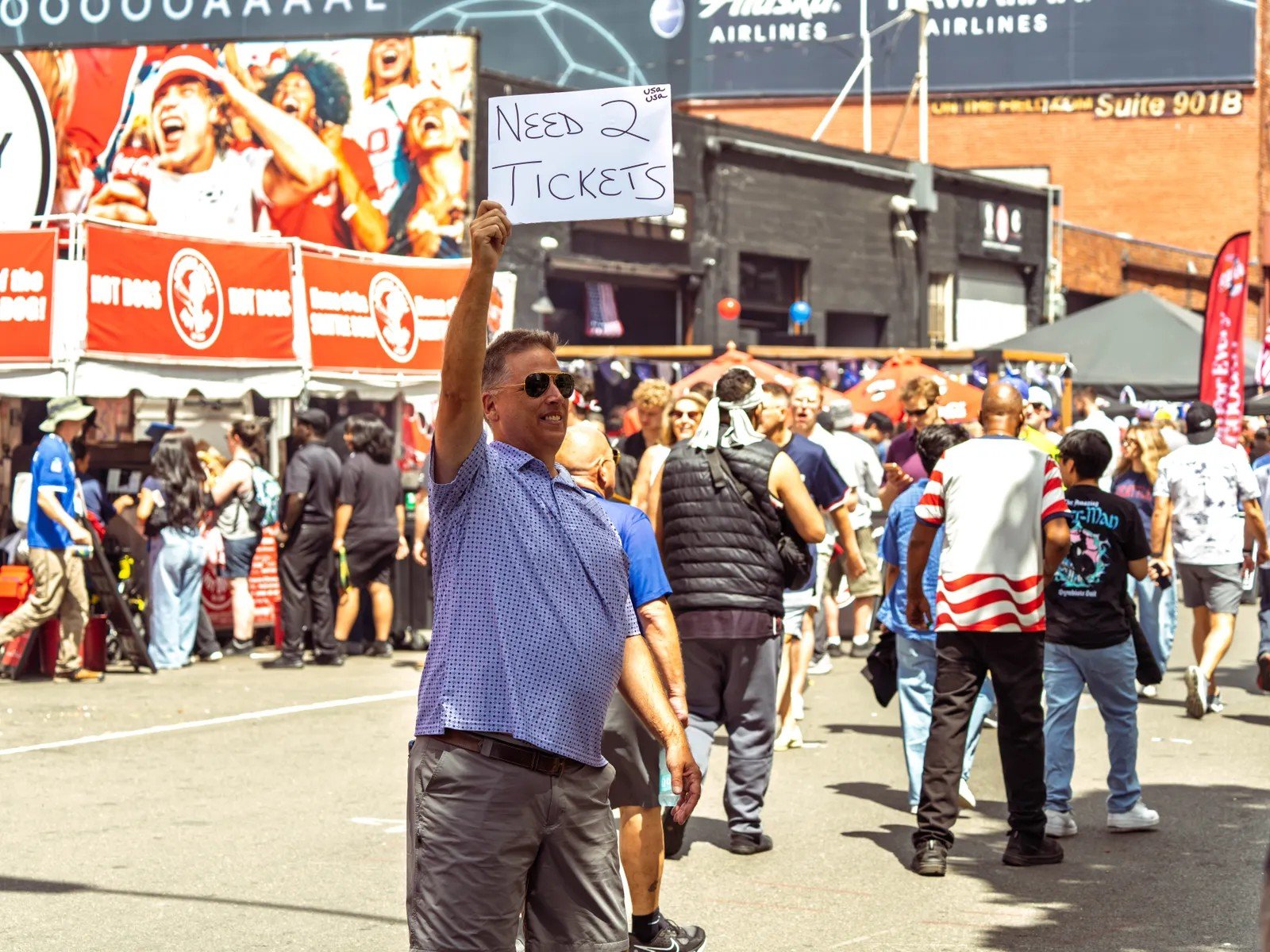
Do the fan’s maths. A ticket listed at £65 face value can be £180 or more on a resale site before fees. A “golden circle” standing spot at a stadium show — the premium front section Sam Fender’s fans were arguing about this week — can cost double the standard ticket. For a young person on a first wage, the difference between face value and resale is the difference between going and not going.
That is why this story matters beyond the charts. A ticket is not a luxury for the people reading this site. It is the one night out they save for, the birthday present, the first gig with friends. When a bot takes it and a tout sells it back at three times the price, something has been taken from a real person.
What you can actually do
You cannot fix Parliament from your phone. But you can make yourself a harder target.
Buy resale only at face value. Ticketmaster’s official fan-to-fan resale, Twickets and DICE all cap resale at face value. If a site will not show you the seat or the face value, walk away.
Register for presales the minute they open, and use the artist’s own mailing list rather than a link forwarded in a group chat. The RAYE presale worked on registration codes — the bots won by registering first and in bulk, so speed and the official channel are your only edge.
Never pay by bank transfer for a ticket. A card or PayPal gives you a way back if the ticket never arrives. Screenshot the listing, the price and the seller’s name before you pay.
And when a sale goes wrong, report it. The FanFair Alliance campaign collects fan experiences, and every report is evidence for the investigation MPs keep asking the CMA to run.
The question
RAYE’s fans did everything right. They registered, they waited, they queued. The bots were faster, and Parliament blinked. The question now is how long fans are expected to keep losing a rigged race — and what comes first, the ban or the next 1.8 million-person queue.
Have you ever lost a ticket to a bot, or paid double for one on resale? Tell us what happened. We read every reply.
