
Prostate cancer is cancer that starts in the prostate gland, which sits below the bladder and helps produce semen. This guide explains prostate cancer: symptoms, causes, and when to seek medical advice, with a clear call to action if something does not feel right. It is designed to help you recognise possible prostate cancer signs, understand your personal risk, and know what to do next without panic or delay.
What are the symptoms of prostate cancer?
The symptoms of prostate cancer are often absent in the early stages, because many prostate tumours do not press on the urethra straight away. When prostate cancer symptoms do appear, they can overlap with much more common non-cancerous prostate problems, such as benign prostate enlargement, so symptoms should be checked rather than guessed at. NHS guidance lists urinary changes, lower back pain and unexplained weight loss as symptoms that may need medical assessment, especially if they are new, persistent or worsening. (nhs.uk)
Possible prostate cancer signs can include:
- Needing to pee more often, especially at night.
- A weak, slow or interrupted urine flow.
- Difficulty starting to pee or feeling you have not fully emptied your bladder.
- A sudden or urgent need to pee.
- Pain or burning when passing urine.
- Blood in the urine or semen.
- New problems getting or keeping an erection.
- Pain in the lower back, hips, pelvis or upper thighs.
- Unexplained weight loss, tiredness or reduced appetite.
These symptoms do not automatically mean cancer. Urinary symptoms are very common as people age, and infections or inflammation can cause similar problems. The key point is pattern and persistence: if you notice a change that lasts, returns, or worries you, it is worth speaking to a GP or healthcare professional.
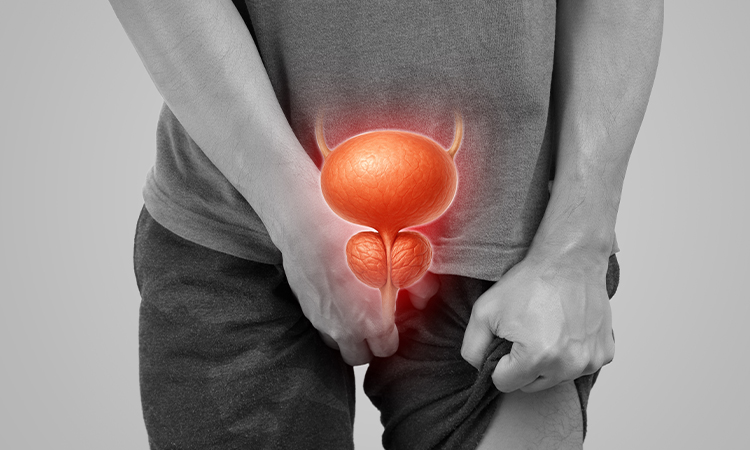
Why symptoms can be easy to miss
Prostate cancer can be quiet for a long time. The prostate is positioned around the tube that carries urine out of the body, but early cancer may grow in a part of the gland that does not affect urine flow. That is why a person can feel well and still have prostate cancer.
There is also a common misconception that prostate cancer always causes obvious pain. In reality, many symptoms linked to the prostate are subtle, easy to explain away, or similar to everyday urinary issues. Getting checked is not about assuming the worst; it is about ruling out serious causes and finding the right treatment if a benign condition is responsible.
A simple symptom diary can help before your appointment. Note when symptoms started, how often they happen, whether you wake at night to pee, whether there is pain or blood, and whether anything has changed in your general health. This gives your clinician a clearer picture and can make the conversation easier.

What causes prostate cancer?
There is usually no single clear cause of prostate cancer. Cancer develops when cells in the prostate change and grow in an uncontrolled way, but why this happens in one person and not another is not always known. Cancer Research UK notes that the exact cause is not known, although several risk factors can increase the chance of developing it. (cancerresearchuk.org)
Important risk factors include:
- Age: risk increases as people get older, particularly from middle age onwards.
- Family history: having a father, brother or close relative with prostate cancer can increase risk.
- Ethnicity: Black men have a higher risk of prostate cancer than some other groups.
- Inherited gene changes: some inherited mutations, including changes linked with breast and ovarian cancer risk in families, may also affect prostate cancer risk.
- Body weight and general health: maintaining a healthy lifestyle supports overall wellbeing, although prostate cancer is not as clearly linked to preventable lifestyle factors as some other cancers.
It is important to be careful with the word “cause”. Having a risk factor does not mean you will definitely develop prostate cancer, and having no obvious risk factors does not mean you cannot. Risk simply helps guide how alert you should be to symptoms and whether you may want to discuss testing with a clinician.
Risk is personal, so conversations matter
Two people with the same symptom may need different advice because their risk profile is different. For example, someone with a strong family history may be advised differently from someone with no known risk factors. This is why personalised medical advice is more useful than trying to self-diagnose online.
If you are at higher risk, consider speaking to your GP even before symptoms develop, particularly if you are concerned about your family history or ethnicity-related risk. You can ask what monitoring is appropriate, whether a PSA blood test should be considered, and what the benefits and limitations of testing are. Prostate Cancer UK states that 1 in 8 men in the UK will get prostate cancer, which is one reason awareness and early conversations are so important. (prostatecanceruk.org)
When should you seek medical advice?
You should seek medical advice if you develop new, persistent or worsening urinary symptoms, notice blood in your urine or semen, have unexplained pelvic, hip or back pain, or experience unexplained weight loss alongside possible prostate symptoms. NICE guidance advises considering PSA testing and a digital rectal examination for lower urinary tract symptoms such as night-time urination, frequency, hesitancy, urgency or retention in men, trans women and non-binary people with male reproductive organs. (nice.org.uk)
Book a routine GP appointment if you notice:
- Peeing more often than usual for more than a short period.
- Getting up repeatedly at night to pass urine.
- A weaker flow or difficulty starting.
- A feeling that your bladder is not emptying.
- Ongoing discomfort when peeing or ejaculating.
- Erectile problems that are new for you.
- Symptoms that improve and then keep returning.
Ask for an urgent appointment or urgent medical advice if you have visible blood in your urine, severe or worsening pain, or symptoms that are progressing quickly. Seek emergency help if you cannot pass urine at all, feel very unwell, or develop severe back pain with leg weakness, numbness, or loss of bladder or bowel control. These can be red-flag symptoms and should not wait for a routine appointment.
What might happen at a GP appointment?
A GP or healthcare professional will usually start by asking about your symptoms, general health, medicines, family history and any changes you have noticed. They may ask for a urine sample to look for infection or blood. They may also discuss a PSA blood test, which measures prostate-specific antigen, a protein that can be raised for several reasons, including prostate cancer, benign enlargement, inflammation or infection.
You may be offered a digital rectal examination, where the clinician feels the prostate through the back passage using a gloved finger. It can feel awkward to talk about, but it is a common clinical examination and is usually quick. If your PSA level is above the relevant threshold for your age or your examination raises concern, NICE recommends considering referral through a suspected cancer pathway. (nice.org.uk)
A referral does not mean you definitely have cancer. It means further checks are needed, and those checks may include specialist assessment, imaging or biopsy depending on your situation. The practical benefit of attending promptly is that you either get reassurance or, if treatment is needed, you start the process sooner.
How to prepare for the conversation
Talking about urinary or sexual symptoms can feel uncomfortable, but clinicians discuss these issues regularly. Being clear and specific helps you get the right support.
Before your appointment, write down:
- Your main symptoms: include urinary changes, pain, blood, sexual changes or general symptoms such as weight loss.
- Timing: note when symptoms began and whether they are getting worse.
- Night-time patterns: record how often you wake to pee.
- Family history: mention prostate, breast, ovarian or related cancers in close relatives.
- Medication and supplements: include anything bought over the counter.
- Your questions: for example, “Should I have a PSA test?” or “What else could be causing this?”
If you feel nervous, take someone with you or ask for written information after the appointment. The most important thing is not to ignore symptoms because they feel embarrassing.
Practical ways to look after prostate health
There is no guaranteed way to prevent prostate cancer, and you should be wary of anyone promising one. However, looking after your general health can make it easier to notice changes, manage other prostate conditions and cope with treatment if it is ever needed.
Helpful habits include staying physically active, aiming for a balanced diet, keeping alcohol within recommended limits, not smoking, and seeking help for urinary problems early. These steps are not a substitute for medical assessment, but they support your wider health and can make conversations with healthcare professionals more effective.
It is also worth knowing what is normal for you. If your usual pattern changes, do not wait months hoping it will disappear. A short conversation with a GP can be far more useful than repeated worry.
Take action if something has changed
Prostate cancer symptoms can be subtle, and many prostate cancer signs are shared with non-cancerous conditions. That is exactly why medical advice matters: you do not need to diagnose yourself before asking for help.
If you have symptoms that concern you, book an appointment with your GP or speak to a qualified healthcare professional. If you experience red-flag symptoms such as being unable to pass urine, visible blood in your urine, severe worsening pain, or back pain with leg weakness or loss of bladder or bowel control, seek urgent medical help immediately. Acting early is a sensible, practical step, and it could make a real difference.
