
Registering to vote in the UK is usually quick, free and straightforward. In most cases, you can do it online in a few minutes, and once you are on the electoral register you can vote in the elections you are eligible for, choose a postal or proxy vote, and update your details when life changes. This guide explains how to register to vote in the UK, who can do it, what information you need, and what to check before polling day.
How do I register to vote in the UK?
You can register to vote online through the official GOV.UK service, or you can use a paper form if that suits you better. The online service is designed to add you to the electoral register, update your name, address or nationality, and let you opt out of the open register if you live in the UK. GOV.UK says the online process usually takes about five minutes, and you will be asked for your National Insurance number, although you can still apply if you do not have one. (gov.uk)
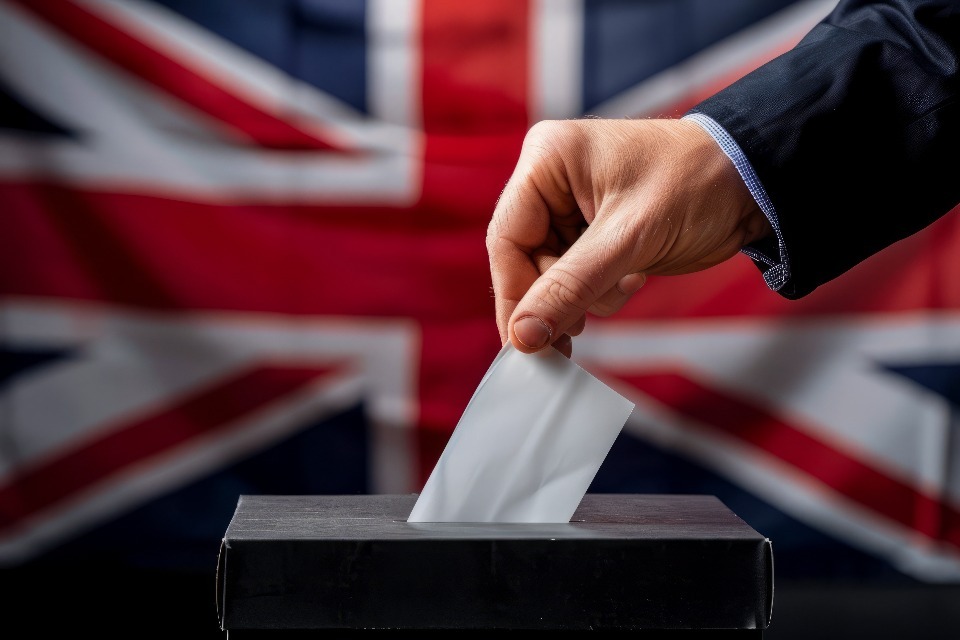
If you are wondering how to register, the basic route is simple:
- Go to the official register to vote service on GOV.UK.
- Enter your name, address, date of birth and nationality.
- Add your National Insurance number if you have one.
- Choose whether you want to be included in or left off the open register.
- Submit your application and wait for your local electoral registration office to process it.
You normally only need to register once, not before every election. However, you must register again if you change your name, move house or your nationality changes. If you are unsure whether you are already registered, GOV.UK advises contacting your local electoral registration office, as there is not a single public online checker for everyone. (gov.uk)
Who can register to vote
Eligibility depends on your age, nationality, where you live and the type of election. Being allowed to register does not always mean you can vote immediately in every election, especially if you are under 18 or if different rules apply in Scotland, Wales, Northern Ireland or England. The Electoral Commission explains that different elections have different voting rules, so it is worth checking your situation if you are not sure. (gov.uk)
England and Northern Ireland allow registration from age 16, but you cannot vote until you reach 18.
Scotland and Wales allow registration from age 14, while voting rights begin at 16 for certain elections.
Scotland allows 16 and 17-year-olds to vote in Scottish Parliament and council elections, subject to election rules.
Wales allows 16 and 17-year-olds to vote in Senedd and local government elections; UK Parliamentary elections require 18. (gov.uk)
Nationality rules also matter. British and Irish citizens can register, and qualifying Commonwealth citizens can usually register if they have permission to enter or stay in the UK, or do not need that permission. EU citizen eligibility is more detailed and varies by location and circumstance, especially after changes to voting rights, so EU citizens should check the official guidance for their country of citizenship and where they live. (gov.uk)
What you need before you start
Before you register to vote UK-wide, gather the details you are likely to be asked for. Having them ready makes the form easier and helps avoid mistakes that could slow down your application.
Useful details include:
- Your full name, including any recent change of name.
- Your current address and, if relevant, your previous address.
- Your date of birth.
- Your nationality or nationalities.
- Your National Insurance number, if you have one.
- A decision on whether you want to opt out of the open register.
The National Insurance number helps confirm your identity, but not having one does not automatically stop you registering. You may be asked for other information instead. If you need help, your local electoral registration office can support you with the process, and GOV.UK also points readers towards accessible guidance. (gov.uk)

The electoral register and the open register
When you register to vote, your name and UK address enter the full electoral register unless you register anonymously. The full register supports elections and referendums, while authorities use it for crime prevention, credit checks, and jury summons. You cannot opt out of the full register if you are registered in the ordinary way. (gov.uk)
The open register is different.
The open register contains an extract that anyone can buy, but officials do not use it for elections.
You can opt out of the open register online or later through your electoral office without affecting voting rights. (gov.uk)
This is an easy box to overlook, so pause when you reach that part of the application. If you prefer your details not to be available through the open register, choose to opt out. Your details will still appear on the full electoral register unless you qualify for anonymous registration.
Can I register if my circumstances are unusual?
Yes, many people can still register even if their situation is not straightforward, but the route may be different. There are separate options for people living overseas, people without a fixed address, service voters, Crown servants, British Council employees and people who need anonymous registration for safety reasons. (gov.uk)
British citizens living abroad can register as overseas voters if they have previously lived in the UK. Eligible Irish citizens may also be able to register in relation to Northern Ireland. Overseas voters generally use the UK address where they were last registered, or the last UK address where they lived if they were never registered, and overseas registration must be renewed every three years. (gov.uk)
If you do not have a fixed address, you may be able to register at a place where you spend most of your time, somewhere you have a connection, or the place where you were last permanently registered to vote.
This may apply to people without a permanent home, people living in water-based homes or mobile homes, people in Traveller communities, Merchant Navy workers, and some patients in mental health hospitals.
If putting your name or address on the electoral register could put you or someone in your household at risk, you may be able to register anonymously. Anonymous registration requires a separate application, an explanation of the safety risk and supporting evidence, and it usually needs to be renewed each year. (electoralcommission.org.uk)
After you register
Once your application has been processed, you are on the electoral register for the relevant address. You can then vote in person at a polling station, apply for a postal vote, or apply for someone else to vote on your behalf as a proxy. You cannot vote online in UK elections. (gov.uk)
It is also sensible to prepare before polling day. In some UK elections and referendums, voters must show accepted photo ID when voting in person. GOV.UK lists accepted forms including certain passports, driving licences, PASS cards, Blue Badges, some concessionary travel passes and the free Voter Authority Certificate; the original document is needed, not a photo on a phone or a photocopy. (gov.uk)
If you do not have accepted photo ID, you can apply for a free Voter Authority Certificate. If you are registered anonymously and want to vote in person at an election where voter ID is required, you will need an Anonymous Elector’s Document instead. (gov.uk)

Common mistakes to avoid
A few small errors can cause problems later, especially close to an election. Use this checklist before you submit your application and again before polling day:
- Do not wait until the last minute. Registration deadlines apply before elections, and late applications may not be processed in time.
- Register again after moving. Your registration does not automatically follow you to a new address.
- Update your name if it changes. If your ID name does not match the electoral register, you may need to register again or take proof of your name change when voting in person. (gov.uk)
- Check your voting method early. Postal and proxy voting need separate applications.
- Review the open register choice. Opting out is allowed and does not stop you voting.
- Bring the right ID where required. Check the rules for the election you plan to vote in.
Make your registration count
Registering is the first step, but it is not the whole journey. Once you are registered, decide how you want to vote, check whether photo ID is needed, and look out for your poll card before an election. If anything changes; your address, name or nationality, update your registration promptly so you do not discover a problem too late.
If you are eligible and not yet registered, do it today. Search for the official GOV.UK “register to vote” service, complete the form, and take five minutes to make sure your voice can be counted at the next election you are entitled to vote in.
