
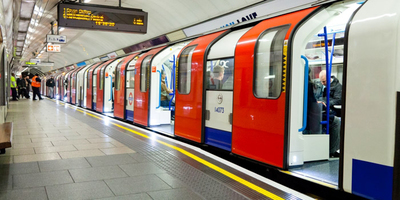
The Reality Behind the Commute
Public transport is a daily necessity for millions of Londoners, but for many young people, the commute is far from stress-free. Despite numerous safety campaigns, harassment on TfL (Transport for London) networks remains a pervasive, often unspoken issue. From unwanted attention to aggressive behavior, navigating the tube and buses requires a heightened sense of awareness. Here are vital strategies and resources to help young commuters stay safe and report incidents effectively.
Breaking Down What’s Happening
Harassment on TfL takes many forms:
- Verbal harassment: catcalling, inappropriate jokes, sexually suggestive comments.
- Non-verbal harassment: leering, taking photos or videos without consent, blocking exits.
- Physical harassment: brushing, groping, being followed off buses or trains.
And while TfL has introduced campaigns like “Report it to Stop it” and increased CCTV, many feel the system is still failing victims. Harassers often go unpunished, and victims are left shaken, anxious, and unheard.
Why It Matters for Young People
This issue hits hard for young Londoners. Public transport is their lifeline — to uni, college, jobs, internships, nights out, and social lives. When that everyday experience becomes a threat, it takes a toll on mental health, freedom, and confidence.
- Young women may avoid certain routes, wear different clothes, or stop travelling altogether after incidents.
- LGBTQ+ youth often report being harassed for how they dress or present themselves, leaving them feeling unsafe just for being visible.
- Young men may also feel uncomfortable speaking out, fearing they won’t be believed or will be mocked for not “handling it.”
In short, harassment changes behaviour. It shrinks a young person’s world. And when that happens at a key stage of their life — when they’re building independence, careers, relationships — it stunts growth, both emotionally and professionally.
How Can You Stay Safe While Travelling?
Let’s be clear — the responsibility always lies with the perpetrator, never the victim. But until the system gets better, here are some real tips that can help:
1. Trust Your Gut
If someone gives you a weird vibe or makes you uncomfortable, don’t ignore it. Move seats, get off at the next station, or speak to the driver or a TfL officer. Your instinct is valid.
2. Use the Text Reporting System
You can text 61016 (British Transport Police) to report incidents discreetly on trains and tubes. On buses, speak directly to the driver or call 101.
3. Travel With Friends
If possible, especially late at night, travel with a friend or let someone know your route.
4. Use Well-Lit Carriages
Stick to carriages where there are more people, CCTV, or security presence — especially at night.
5. Record Details
If something happens, try to note the time, location, what was said or done, and a description of the person. It helps if you decide to report it later.
6. Carry Safety Essentials
A portable phone charger, personal alarm, or even location-sharing apps like Find My Friends can make a difference in emergencies.
A Culture Shift Is Needed
Staying safe is important. But what we really need is cultural change. That starts with:
- Better education in schools about consent and boundaries.
- Bystander training — so more people know how to step in when they witness harassment.
- Real consequences for offenders.
- Safe spaces online and offline for young people to share stories, get support, and learn their rights.
TfL must also continue investing in prevention, with more visible security, faster response times, and stronger awareness campaigns that reflect what’s really happening on the ground.
Your Voice Matters
If you’ve experienced harassment, know this: you are not alone, and you are not invisible. Sharing your story can empower others and put pressure on systems to improve. You deserve to feel safe — not watched, followed, or silenced — when moving through your city.
Public transport should be about freedom, not fear. So let’s make that the standard.
Need Support?
- Text 61016 to report harassment on the Tube or rail
- Call 101 for non-emergency police support
- Visit www.report-it.tfl.gov.uk for TfL’s official reporting page
- Check out support groups like @OurStreetsNow or @everyoneinvited_ on Instagram
