
Introduction
Football scouting is an essential yet often overlooked aspect of the game. Behind every rising star, there is a keen-eyed scout working tirelessly to identify, assess, and recommend talent.
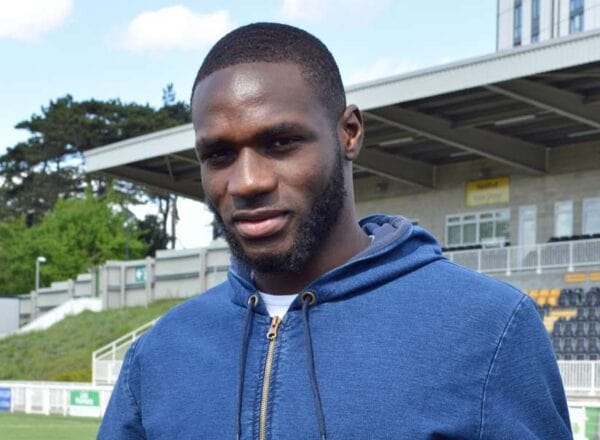
In this exclusive interview, we sit down with Immanuel Parry, a seasoned football scout, to gain insight into the world of talent identification.
With experience spanning top clubs and extensive knowledge of the scouting landscape, Immanuel shares his journey from playing football to becoming a scout, the challenges he faces, and what it takes to spot the next big talent.
Whether you’re an aspiring scout or just curious about the behind-the-scenes of football recruitment, this conversation offers a fascinating look into the dedication and skill required in the profession.
Interview:
1. What inspired you to pursue a career in football scouting?
- I was in football my whole life and playing matches. However, it’s not until I went to Man City and seeing how scout actually work that when I realised that was my next path after playing football.
2. Can you describe your journey into scouting and any relevant education or experience?
- My transition was smooth. The person who first introduced me to football also introduced me to scouting. There I learned about creating presentations, writing and report. I had to learn on the job, picking up kills since I didn’t have the academic background prior.
3. What are your primary responsibilities as a worker in football scouting?
- I’m mainly based in the south of England, scouting the best talent from the age of 13-18. I mainly work in Portsmouth Brighton, Southampton and all across the midlands.
4. How do you identify talent, and what specific attributes do you look for in players?
- Every club is different. Football is a game of opinion in terms of physicals attributes. Thus we look for the elite in speed and strength as well as technically gifted players. So we aim for a full packed to the best of the best players.
5. What types of players or positions do you typically scout for?
- Every position and the best of the best.
6. What does a typical day look like for you as a scout?
- A typical day would be a lot of phone calls, speaking to agents, clubs, networking and research on what’s going on in the weekend. Additionally, looking at video work and going out live to watch games.
7. How do you prepare for scouting assignments or matches?
- I prefer to go to matches, because I feel as though there is more rewards in spending time out in the field. As head of the market, I enjoy finding players who haven’t yet made it out onto the scene.
8. What are some of the biggest challenges you face in your role?
- It’s very time consuming. The social balance and work life is difficult to balance at time too. Additionally, there is a lot of travel as you covering a whole country