
If you’ve been on social media lately, you’ve likely seen the viral craze surrounding “Dubai Chocolate.” But how does it compare to the delicate textures of Angel Hair chocolate? We break down the ingredients, the flavor profiles, and why these two luxury treats are currently taking the culinary world by storm.
If you’ve been anywhere near TikTok or Instagram lately, you’ll know the internet has gone wild for “Dubai chocolate.” Just days later, a new challenger entered the ring — Angel Hair chocolate. Suddenly, everyone’s asking the same thing: which one’s better, which one’s worth the hype, and why are we all so obsessed with chocolate in the first place?
But here’s the real question: is this just about a tasty treat, or does it say something bigger about young people, culture, and consumer trends right now? Let’s break it down.
What’s the Dubai Chocolate Hype All About?
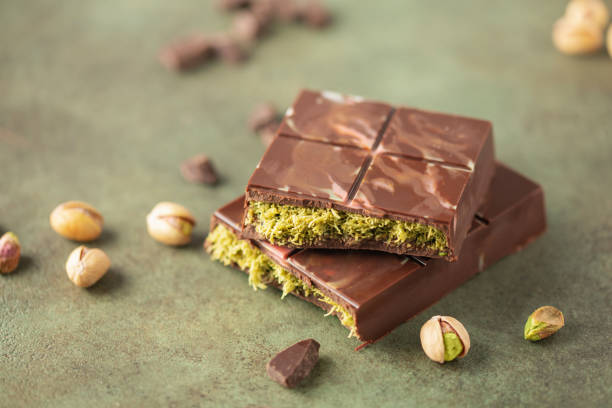
The “Dubai chocolate” trend blew up online after clips showed luxury-looking chocolates from the UAE being plated, styled, and devoured like they were drops of edible gold. Think glossy packaging, fascinating branding, and social media aesthetics that scream luxury lifestyle.
It wasn’t just about eating chocolate — it was about showing you were part of something global, exclusive, and different. And young people, especially in the UK, leaned into it hard. Why? Because trends like this aren’t just about flavour — they’re about identity, flex, and belonging to an online community that knows what’s hot before the rest of the world does.
Then Along Came Angel Hair Chocolate
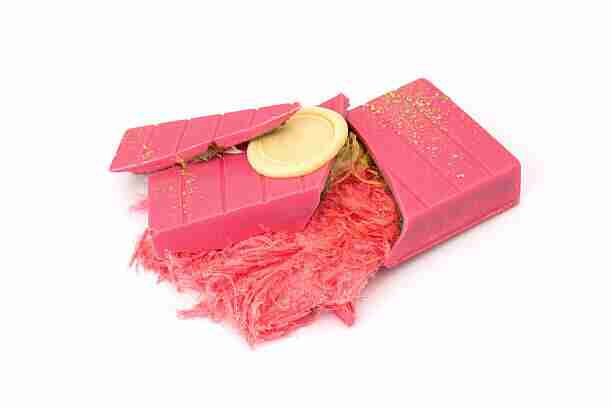
But trends don’t stay still for long. Just as Dubai chocolate peaked, clips of Angel Hair started circulating. It’s delicate, it’s quirky, it’s Instagram-ready. Thin strands of chocolate that melt in your mouth, creating this unusual but eye-catching effect.
Suddenly, the conversation shifted. Was Angel Hair chocolate the new Dubai chocolate? Was it more authentic? More fun? Or just another product riding the same hype wave?
This is where it gets interesting. Because the competition between Dubai and Angel Hair chocolate isn’t really about chocolate at all. It’s about how young people consume culture in 2025: fast, aesthetic-first, and deeply tied to digital clout.
Chocolate as Culture, Not Just Food
Let’s be real. Chocolate has always been more than just a snack. From Ferrero Rocher flexes at Christmas to corner-shop Freddos (RIP the 10p era), chocolate carries social meaning. But in the social media age, it’s become a tool of self-expression.
Dubai chocolate represents luxury and global culture. It’s the idea that you’ve got access to something special, something beyond the ordinary. Angel Hair chocolate, on the other hand, feels playful and experimental — it’s about the wow factor, the Instagrammable moment.
Both fit perfectly into a generation that’s constantly creating content. Eating isn’t just eating anymore — it’s a vibe, a statement, a post.
The Bigger Picture: Young People and the Hype Economy
Here’s the truth: whether it’s chocolate, fashion drops, or viral skincare, Gen Z and Gen Alpha are living in the “hype economy.” Products aren’t just things to buy — they’re cultural moments.
But that comes with pressure. Young people already face rising costs of living, unstable work, and fewer job opportunities (as the latest ONS data showed). At the same time, they’re expected to keep up with trends, show off their “aesthetic,” and participate in what’s buzzing online.
This creates a tension: you want to be part of the cultural moment, but you don’t always have the disposable income to keep up. And when chocolate — something that used to be a cheap treat — is suddenly turned into a symbol of luxury and exclusivity, it reflects the way everyday joy is being commercialised.
Social Media’s Role in Feeding the Trend
Let’s be clear: without TikTok and Instagram, Dubai and Angel Hair chocolate wouldn’t even be a conversation in the UK. Influencers know that food content works — it’s quick, satisfying, and easy to go viral. But the problem is that trends rise and fall so fast that what was hot yesterday is old news tomorrow.
For young people, this fuels FOMO. Miss out on a trend, and you feel behind. Take part in it, and you’re temporarily validated. But then what? Another product, another hype.
The cycle never stops, and it’s exhausting — financially, emotionally, and mentally.
So… Is It Worth It?
Here’s the honest answer: both Dubai chocolate and Angel Hair chocolate are fun, tasty, and definitely worth trying if you want the experience. But the bigger question is why do we feel like we have to chase every trend in the first place?
Because the truth is, it’s not about the chocolate. It’s about belonging, status, and finding joy in a world that often feels tough for young people. And while there’s nothing wrong with enjoying hype products, we’ve got to remember that real value isn’t always found in what’s trending — sometimes it’s in building experiences, relationships, and personal joy that can’t be packaged in gold foil.
The Sweet Lesson Behind the Hype
The Dubai vs. Angel Hair debate isn’t just about which chocolate is better. It’s a snapshot of where young people are at in 2025. Hungry for joy, looking for connection, and trying to carve out their own culture in a system that often ignores their struggles.
Food trends will come and go. But the need for spaces where young people can feel seen, celebrated, and connected? That’s here to stay.
So, whether you’re team Dubai or team Angel Hair — remember this: you’re more than the trends you follow. The hype might melt, but your value doesn’t.
Thank you for reading, click the link to read more of our Opinion Articles.
