
The reason why sports is an integral part of young people’s lives, especially in the UK, is because many things learned in sports are transferable to every other part of life. Sports experiences develop skills that young people need in everyday life, including leadership skills. Here are five skills sports help you build.
1. Handling Failure (Resilience)
Learning how to handle failure and setbacks will set you up very well for the future. In sports, you fail a lot. In fact, you fail more than you win. How you handle those failures is the most important thing.
By learning how to handle setbacks, you have a higher chance of achieving success in anything you do. This is because success usually comes despite failure, not in the absence of it.
2. Collaboration (Teamwork)
Most sports are designed such that you can only achieve success through teamwork. It’s baked into the game. Think of football. If the central defenders don’t play their part, the midfielders and strikers cannot single handedly help deliver success. The most successful teams in every sport had team members who played their role to very high levels, not just the star players.
This instills the spirit of teamwork into young people. One similarity you’d see in the workplace and in sports fields, is that both require teamwork to succeed. “Teamwork makes the dream work” is cliche but popular for a reason.
3. Consistency (Discipline)
Consistency is difficult. You can say it’s the most difficult part of life, because it requires discipline. In sports, discipline is necessary. For instance, in several sports, like basketball and football, you train everyday. This includes days you don’t have games.

This training is what makes you prepared for the days when you do have games. It’s the same way in life. There are routines you must keep everyday, and these routines prepare you for the big moments. If you don’t keep those routines, big opportunities will pass you by.
4. Leadership (Adaptability)
Sports creates a lot of opportunities to lead. In the sense that you’d find yourself needing to make quick decisions, develop strategies on the fly, and adjust those strategies as needed. This is what life is.
You need to make decisions, but not without thought. Therefore, you learn to make decisions with as little information as possible.
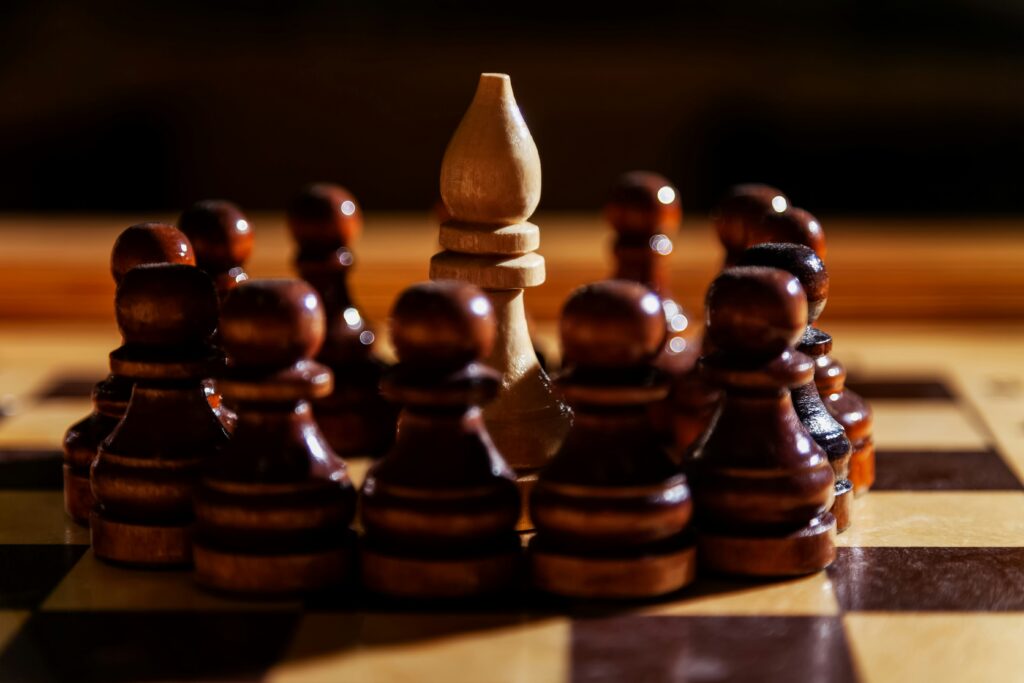
5. Responsibility (Accountability)
In sports, you are usually assigned a part of the game plan you’re responsible for. This means other members of the team are depending on you doing your part to the best of your abilities, in order for there to be any chance of success.
In life, the same applies. When you’re part of a group, there is usually something you’re responsible for that’d contribute to success. This helps with accountability. If you fail in your duties, you should be able to recognize it and take accountability, rather than deflect blame.
Conclusion
These traits are important for young people in character development. This is where youths learn leadership skills, and companies pay top dollar for people with leadership skills they didn’t have to teach. Skills learned in sports will make you stand out everywhere else, including in school and in the workplace.
Resilience will help you navigate difficult and unfamiliar situations. Teamwork will make you a team player, and team players help companies grow. Discipline helps you do what you need to do, at the time you need to do it.
Adaptability helps you make good decisions on the fly. Responsibility is what makes you able to recognize the role you play in any group, and take accountability if you fail to deliver.
- How to Get an Apprenticeship When a Million Young People Have No Job and No Training
- Summer Walker vs Interscope and LVRN: The $50m Contract Fight Every Young Artist Needs to Understand
- Diddy’s LA home raided
- Minimum Wage Set To Go Up By Almost 7% In 2025’s Budget | This Morning
- Who is Hannah Spencer? The plumber-turned-MP who won historic Gorton and Denton by-election
If you want to get more articles that equip young people with skills they need in their daily lives and workplace, subscribe here.
Taking These Skills From the Pitch Into Everyday Life
The five skills in this article — resilience, teamwork, discipline, adaptability and responsibility — are useful precisely because they travel with you. Resilience helps you handle failure and setbacks, teamwork helps you work with others towards a shared aim, and discipline helps you keep a routine even when you do not feel like it. Leadership in sport, as the article describes it, is about making decisions with thought, while responsibility is about owning your part of the plan. None of these is learned in a single match; they build up through training, losing, and trying again.
The next step is to practise them deliberately outside sport. Our guide to why emotional intelligence is the most important leadership skill explains how self-awareness and communication support the leadership and teamwork described here, while our guide to the truth about fitness trends looks at Zone 2 training, strength work and the social side of exercise. Pick one skill, choose a small way to use it this week — for example, leading a group task or keeping a study routine — and note what worked.
Read next: what entrepreneurs can learn from Olympic athletes.
