
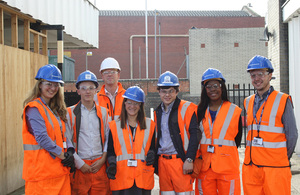
Britain’s future is being shaped—literally and figuratively—by a dynamic wave of young people learning trades and stepping into care roles. The government’s recent announcement of a record-breaking £3 billion apprenticeship budget isn’t just a headline—it’s a bold vision that places 120,000 new training opportunities at the centre of a national revival . Let’s break down what’s happening, why it matters, and how you—yes, you—could become a key player in rebuilding Britain.
Inside the Apprenticeship Investment Plan
- Massive investment into apprenticeships: 120,000 new slots for young people to build skills in housing, care, engineering, and construction across England .
- Free Courses for Jobs: Launching 13 Level 2 construction courses in non-devolved regions—open to anyone ready to learn the trade, no degree required .
- Skills Bootcamps & Colleges: £136 million for Bootcamps, plus ten new Technical Excellence Colleges launching in September 2025 .
- Industry‑led training support: Employers get funding to back apprentices, including £2,000 per foundation apprentice and investments in placements and adult learner programmes .
The goal? Train 60,000 more construction pros—bricklayers, plumbers, electricians—by 2029 to build 1.5 million homes, overhaul infrastructure, and fuel economic growth .
Benefits of Apprenticeships for UK Young People
- Entry-Level Access
Want a meaningful career without uni debt? These apprenticeships are your ticket. You earn while you learn, wrap up training in 12–18 months, and walk into a job. With dedicated housing targets and fewer overseas workers, demand for UK talent is at an all-time high . - Stability & Sustainable Wages
Skilled trades aren’t just “safe”—they’re paid—and paid well. With government raising starting wages by as much as 18%, apprenticeships offer a sustainable path forward . - Career Beyond Walls
This isn’t a one-trick pony. Bricklayers can become site managers, engineers, or run their own businesses. Carers get into social work, community projects—your next step is yours to define. - Recognition & Respect
The narrative is shifting: skilled trades aren’t “second‑rate.” Campaigns are pushing apprenticeships and vocational paths back to the front of the line—and demanding respect for the people who build communities .
Challenges Facing UK Apprenticeship Programs
No plan is flawless—or easy:
- Skills Shortage Reaches Crisis Levels
With the number of bricklayers at its lowest since 1998 and retirement looming for 30%, the construction sector is scrambling to replenish its ranks . - Employer Hesitation
Some small firms voice concern over new regulations and funding structures. If they don’t onboard apprentices, the scheme won’t reach its potential . - Immigration Balance
A national push for local talent coincides with fewer overseas workers tied to Brexit and stricter visa systems. Can homegrown skills fill that gap fast enough?
💡 What This Means for You
1. Look Beyond Uni
If you’re wondering whether university is “worth it”—think again. Apprenticeships offer real earning and learning power. Training in-demand skills now can pay off for decades.
2. Aim for Apprenticeship, Bootcamp or T‑Level
Starting September, explore local Bootcamps, college courses, and routes through Skills Hubs—they’re ready now.
3. Embrace Hands-On Growth
These aren’t just jobs—they’re game changers. You’ll contribute to real projects, rebuild communities, and earn respect for your craft.
4. Know Your Value
With record funding and wage increases, this moment is your moment. The UK needs skilled youth like never before—seize the opportunity.
A Message of Hope
For a young person growing up in housing crises and career uncertainty, this is not just policy—it’s possibility. Apprenticeships are your chance to skip the debt, grab a skilled career, and play your part in rebuilding your nation’s future.
“Build a home, build a life”—that’s the promise. Whether you’re laying bricks or providing care, you’re not just working—you’re part of something bigger.
If you’ve felt lost, unseen, or switch-flopped between choices, know this: the government is backing you, industries are investing, and homes are waiting to be built by people like you.
Final Take
This initiative is more than funding—it’s a signal: young people are essential to Britain’s renewal. It’s a call to step in, step up, and craft your contribution.
From trade school to site success, from care training to community change—you hold the tools. Grab them.
Because Britain’s next generation isn’t just rebuilding homes and health care—it’s building futures. Yours included.
https://www..com/uk-pm-launches-skills-drive-for-youth-in-tech-1474255/#google_vignette
https://insidesuccessmagazine.com/category/career
Where to Start: Choosing Your Route
The plan described in this article puts numbers behind the promise: 120,000 new apprenticeship slots, 13 free Level 2 construction courses, £136 million for Skills Bootcamps and ten new colleges, all aimed at training 60,000 more construction professionals. For a young person weighing options, the question is where to begin. The article’s own advice is to look beyond university, aim for an apprenticeship, bootcamp or T-Level from September, and treat hands-on growth as a route to a career rather than a fallback.
Two guides on this site can help with that choice. University or Apprenticeship in the UK: How to Choose the Right Path compares the two routes on costs, salaries and career prospects, while Construction Careers: Jobs, Skills and How to Start Your Career sets out the jobs, skills and qualifications behind the trades the plan is trying to grow. Read them alongside the challenges set out above — bricklayer numbers at their lowest, some employer hesitation and the balance with immigration — and the picture is honest rather than rosy. The opportunity is real, and so is the work it will take: “Build a home, build a life” is a promise that starts with a first step.
