
The constant influx of notifications and digital comparisons can leave your mind feeling cluttered and exhausted. A “brain break” from the digital world is no longer just a luxury—it is a necessity for mental clarity. Discover the most effective ways to execute a social media detox and reclaim your focus in an increasingly connected world.
The truth is, social media can greatly impact how your brain works. But don’t worry — there’s something you can do about it. A “reset” might be just what your brain needs.
How Social Media Affects Your Brain
When you get a like, comment, or share on your social media post, your brain releases dopamine. This is a chemical that makes you feel good. It’s the same chemical that gets released when you eat your favorite food or do something exciting. It’s no wonder you feel happy when you see someone interact with your post.
However, the more you scroll and get these dopamine hits, the more your brain starts to crave them. It becomes like an addiction. The more you get, the more you want. And this cycle can go on forever, making it hard to stop.
Social media is full of pictures of people’s “perfect” lives. People post photos of their best moments, their coolest outfits, or their amazing vacations. This can make you feel like your life isn’t as good. It’s easy to start comparing yourself to others and feeling like you’re not enough.
When you scroll through social media, you’re taking in a lot of information — pictures, videos, posts, ads, and more. This overload of information can be too much for your brain to handle. It makes it hard to focus on anything for long. You may find it harder to make decisions or finish tasks. This therefore can make you feel scattered or unfocused.
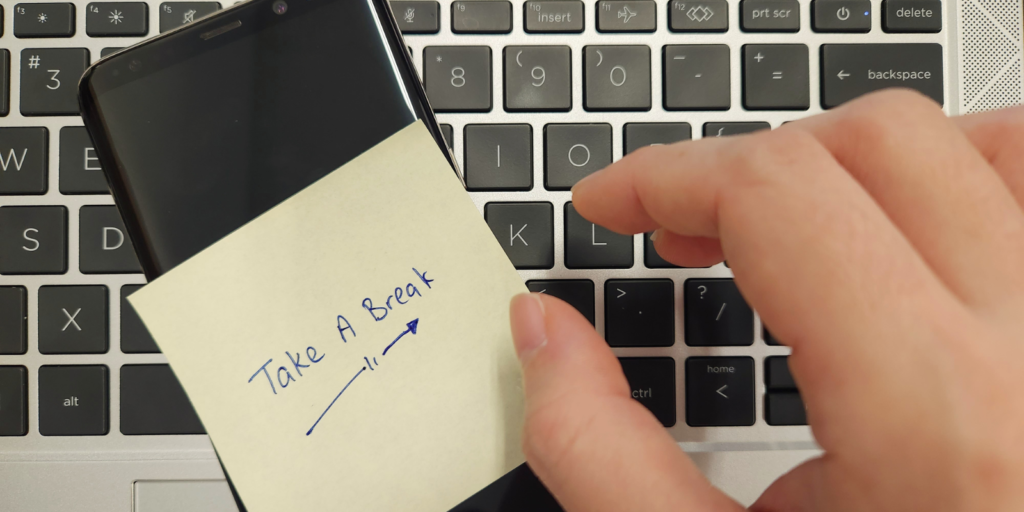
Why You Need a Social Media Reset
Taking a break from social media can help you feel calmer. It can reduce stress and make you feel less anxious. When you step away from the constant flow of information, your brain gets a chance to rest. This helps your mood and mental well-being improve.
When you’re not distracted by notifications, you can focus better on the things that matter. Whether it’s studying, reading, or doing a hobby, a break from social media can make you more productive. You’ll have more time and energy to focus on your goals.
How to “Reset” Your Brain from Social Media
It’s easy to lose track of time when you’re on social media. One scroll turns into hours before you know it! To stop this, try setting time limits for how long you’re online. For example, you could decide to only check social media for 30 minutes each day. This helps keep your brain from becoming overwhelmed.
Every time your phone pings with a new notification, it can distract you from what you’re doing. It pulls your attention away and makes it harder to focus. Turning off notifications can help reduce distractions and keep you from checking your phone every few minutes.
Mindful usage means paying attention to how social media makes you feel. Are you happy, excited, or anxious after scrolling? By being mindful of your emotions, you can choose to use social media in ways that make you feel good, rather than stressed or sad.
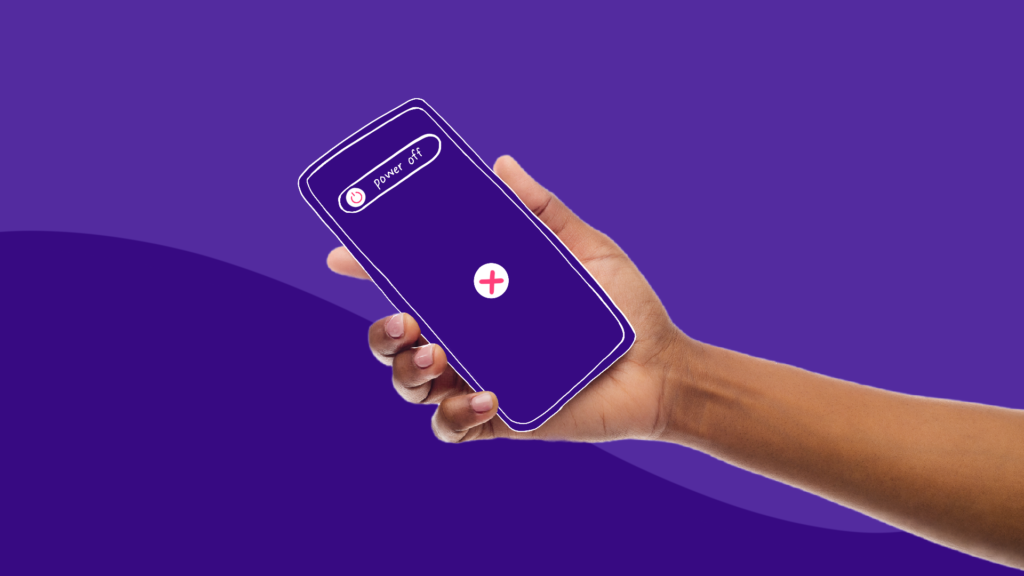
A digital detox means taking a break from social media for a set period of time. It could be for a few hours, a day, or even a whole weekend. During this time, focus on real-life activities, like hanging out with friends, going outside, or enjoying a hobby. This will help your brain reset and refresh.
Instead of chatting online, try to spend more time talking with friends and family in person. Real-life connections can help you feel more supported and happy. Plus, face-to-face conversations are much more meaningful than online ones.
Maintaining Balance After the Reset
Once you’ve taken a social media break, take a moment to think about your relationship with it. Does it make you feel good? Or does it cause stress and anxiety? If it’s the latter, try to adjust your habits. Maybe you’ll decide to take breaks more often, or limit how much time you spend on it each day.
Conclusion
Social media can be fun and useful, but it can also affect your brain in ways you might not even realize. Taking regular breaks can help you stay healthy, focused, and happy. A reset isn’t about quitting social media forever — it’s about finding balance. By limiting your screen time, practicing mindful use, and spending time offline, you can give your brain the break it deserves. So, are you ready to hit the reset button? Your brain will thank you for it!
Thank you for reading, click the link to read more of our Advice articles
Making the Reset Last Beyond the First Break
The article’s central point is that a break works because it interrupts the cycle the earlier sections describe. Likes, comments and shares release dopamine, the brain’s feel-good chemical, and the more you scroll for those hits, the more your brain starts to crave them, which is how scrolling can become a habit that is hard to stop. A break gives the brain a chance to rest from that constant influx of notifications, comparisons and information, and the article says that rest can clear your mind, improve your focus and reduce stress and anxiety.
Keeping that benefit going means returning to the practical steps the article sets out. Set boundaries and time limits, turn off notifications or use Do Not Disturb, remove apps that take up too much time, and pay attention to how social media makes you feel, rather than scrolling mindlessly. Spending more time talking with friends and family in person, reflecting on your relationship with social media and scheduling regular breaks can then help the reset become a lasting balance, so social media stays fun and useful without taking over your time, focus and wellbeing.
