
Mental health awareness has come a long way, thanks in large part to social media. Conversations that were once taboo are now openly discussed, and more people than ever feel comfortable sharing their struggles. However, there’s a fine line between raising awareness and glorifying mental illness. While increased visibility has helped reduce stigma, it has also led to the romanticization of mental health struggles, particularly among younger generations. The question we need to ask is: Are we truly fostering understanding, or are we making mental illness seem desirable?
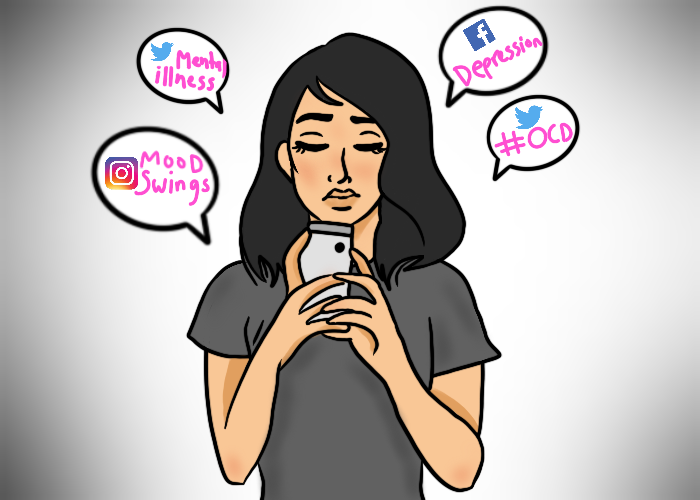
The Rise of Mental Health Awareness on Social Media
Platforms like Instagram, TikTok, and Twitter have played a huge role in normalizing conversations about anxiety, depression, and other mental health conditions. Influencers and everyday users share personal experiences, breaking the silence that has long surrounded these issues. This openness has helped countless people recognize their own struggles, seek professional help, and feel less alone.
Moreover, the accessibility of mental health resources
