
How Can Young People Participate in Democracy? A Practical Guide. Democracy is not only something that happens on election day. It is also shaped by conversations, questions, campaigns, meetings, volunteering, petitions, peaceful protest and everyday civic involvement. This article examines practical ways young people can participate in democracy and influence their communities, while choosing the approach that fits their values, safety, time and confidence.
How can young people participate in democracy?
Young people participate in democracy whenever they help shape decisions that affect shared life, whether at school, in a local area, online, or through formal politics. That could mean voting when eligible, contacting a representative, joining a youth council, organising a respectful campaign, or simply helping others understand an issue. The important point is that participation does not have to look dramatic to matter; small, informed actions can build confidence and create pressure for change over time.
A useful starting point is to ask three questions: What do I want to change? Who has the power to change it? What action is most likely to be heard? Those questions keep youth activism practical rather than reactive, and they help you choose the right tool for the situation.
Voting gives young people a say in representation
Voting is one of the clearest ways for eligible young people to choose representatives. Representatives make decisions on public services, laws, budgets and priorities, so voting helps decide who speaks and acts on behalf of a community. It is not the only form of democratic participation, but it is an important one because it connects personal views to formal decision-making.

Before voting, it helps to understand what each election is for. Local elections, national elections and other ballots can involve different responsibilities, so the issues and candidates may vary. A careful voter reads beyond slogans, checks what candidates are promising, looks at their role, and considers how their decisions could affect people with different needs.
If you are not old enough to vote yet, you can still prepare. You might follow local debates, learn how registration works, discuss issues with trusted adults, or help encourage eligible friends and family members to use their vote. Being ready before you reach voting age makes participation feel less intimidating when the time comes.
Petitions turn concern into a visible request
A petition is a simple way to show that more than one person cares about an issue. It works best when the request is clear, realistic and aimed at the right decision-maker. For example, a petition about a school facility should usually be directed towards school leadership or the relevant governing body, while a petition about a local public space may need to go to a council or community board.
A strong petition usually includes:
- A specific change being requested, not just a general complaint.
- A short explanation of why the issue matters.
- Evidence where possible, such as examples, observations or community feedback.
- A respectful tone that invites decision-makers to respond.
- A plan for what happens after signatures are collected.
Petitions are not magic by themselves. Their power comes from showing organised support and opening a conversation. Once signatures are gathered, the next step might be sending the petition with a short letter, requesting a meeting, speaking at a local forum, or sharing the response with supporters.
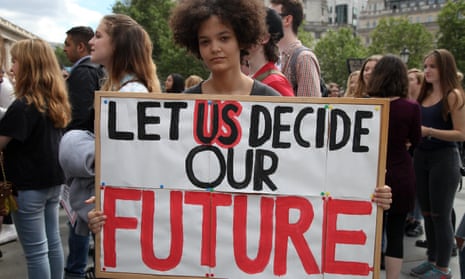
Peaceful protest makes an issue visible
Peaceful protest can draw attention to a concern when people feel that quieter routes have not been noticed, or when an issue needs public visibility. It may involve a march, a silent gathering, a walkout where appropriate, a poster campaign, or a creative public action. The aim is to communicate a message clearly, safely and lawfully.
Good planning matters. Anyone considering a protest should think about the purpose, location, timing, permissions, accessibility, safety and how the message will be explained to people who are not already involved. A protest is more effective when participants know what they are asking for and who they want to influence.
It is also worth remembering that protest does not require hostility. Many powerful actions are disciplined, calm and carefully organised. Staying respectful can help keep attention on the issue rather than on conflict around the event.
Speaking up in meetings and consultations
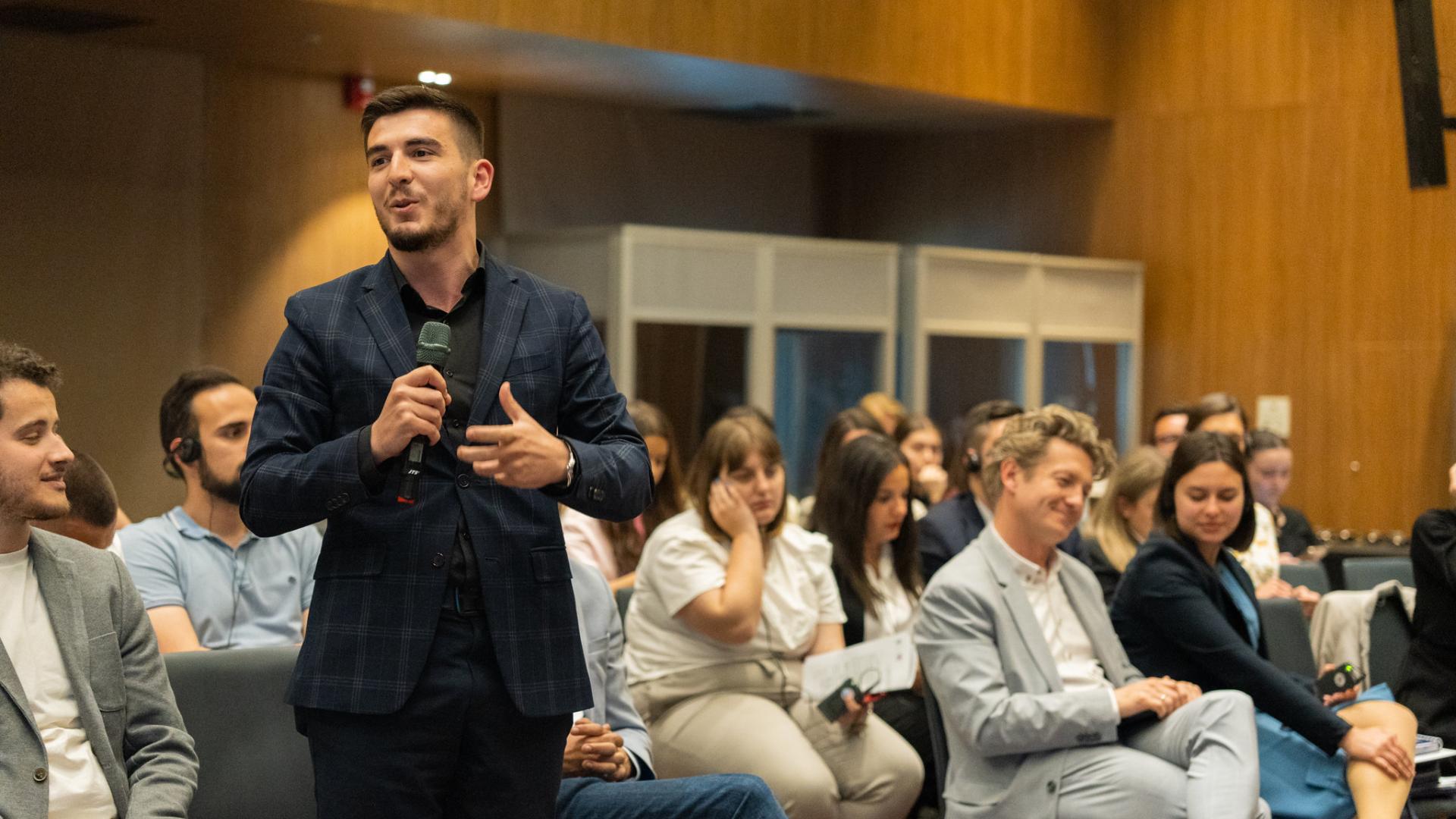
Many decisions are shaped before they become headlines. Councils, schools, youth services, transport bodies and community groups may hold consultations, meetings or surveys. These spaces can be less visible than elections or protests, but they often offer direct routes into decision-making.
Young people can contribute by attending a meeting, submitting written feedback, completing a consultation survey, or asking whether youth views are being gathered. If speaking in a formal setting feels daunting, prepare a short statement in advance. A clear one-minute contribution can be more powerful than a long speech that tries to cover everything.
Try this structure:
- State the issue in one sentence.
- Explain who is affected.
- Give one example or piece of evidence.
- Ask for one specific action.
- Offer to continue the conversation.
This approach helps decision-makers understand not only what you think, but what you want them to do next.
Community volunteering builds influence through action
Civic involvement is not always about persuading someone else. Sometimes it is about helping directly. Volunteering with a local project, mutual aid group, environmental clean-up, youth organisation, library, sports club or community event can improve an area while building relationships with people who care about similar issues.
Volunteering also teaches how communities work. You see where support is missing, which groups are already active, and what practical barriers people face. That knowledge can make future campaigns stronger because it is based on real experience rather than assumptions.
For young people, volunteering can be a manageable first step into public life. It can be occasional, informal or organised through school, college, university or a local group. The key is to choose something meaningful and sustainable, rather than trying to do everything at once.
Digital participation needs care and credibility
Online platforms can help young people share information, organise support and reach people quickly. A short post, video, email campaign or digital petition can introduce an issue to a wider audience. Digital tools are especially useful when they point people towards a clear action, such as attending a meeting, completing a survey, signing a petition, or contacting a representative.
However, online participation works best when it is accurate and responsible. Before sharing a claim, check where it came from, whether it is current, and whether important context is missing. Democracy depends on trust, and trust is weakened when people spread information they have not checked.
A simple digital checklist can help:
- Is the source reliable?
- Is the date clear?
- Does the post separate fact from opinion?
- Could the wording unfairly target or misrepresent someone?
- Is there a constructive action for readers to take?
You do not need to be silent until you know everything. But taking a moment to check information makes your voice more credible.
What makes youth activism effective rather than just loud?
Effective youth activism connects passion with preparation. It identifies a real issue, listens to the people affected, understands who can make a decision, and chooses actions that fit the goal. Noise may attract attention, but strategy is what turns attention into progress.
One useful habit is to map the issue before acting. If the concern is about school lunches, public transport, youth spaces, safety, climate action or mental health support, different people may hold responsibility. The right target might be a headteacher, councillor, service provider, community organisation, local business or national representative.
It also helps to work with others. A small group can share tasks, check each other’s ideas and keep going when progress is slow. People bring different strengths: one person may be good at writing, another at speaking, another at design, research, organising or welcoming new supporters. Democracy is stronger when participation is shared rather than left to the most confident voices.
Choosing the right action for the situation
No single method is always best. The right choice depends on the issue, the decision-maker, the level of urgency and the people affected. Sometimes a respectful email is enough to start a conversation. A petition could show wider support. Sometimes voting, public speaking, volunteering or peaceful protest is the better route.
Consider these practical options:
- Vote when eligible: choose representatives who will make decisions on your behalf.
- Start or sign a petition: show visible support for a clear request.
- Contact a representative: explain an issue and ask for a response.
- Attend a meeting: speak directly where decisions are being discussed.
- Join a youth council or forum: contribute regularly to youth-focused decisions.
- Volunteer locally: improve your community through direct action.
- Organise a peaceful campaign: bring people together around a shared concern.
- Use digital tools responsibly: inform others and point them towards constructive action.
- Have informed conversations: help friends, family or classmates understand an issue without pressuring them to agree.
The most effective action is usually specific, respectful and persistent. If one route does not work, that does not mean the issue is impossible to influence. It may mean you need more information, more supporters, a clearer request, or a different decision-maker.
Activity: choose one next step
Use these prompts to turn an idea into an action. Keep your answers simple and realistic. You do not need a perfect plan; you only need a starting point.
One thing I’d like to change in my community: ______
Think about something you have noticed in daily life. It might be a lack of safe spaces, limited transport, litter, loneliness, school facilities, local events, or access to support. Choose one issue rather than trying to solve everything at once.
Why it matters: ______
Write down who is affected and how. This helps you move from opinion to explanation. If possible, include what you have seen, heard or experienced, while respecting other people’s privacy.
One action I could take: ______
Pick a first step that fits your situation. You might talk to a teacher, email a local representative, research an existing group, create a survey, invite friends to discuss the issue, volunteer, or draft a petition. Make it small enough to do soon.
A voice grows stronger with practice
Choosing whether to protest, petition, vote or stand up in another way is not about finding the one perfect method. It is about understanding the tools available and using them thoughtfully. Democracy works best when people of different ages, backgrounds and views can take part peacefully and respectfully.
For young people, the first step may be as simple as paying attention to an issue and asking who can help change it. From there, practical action becomes easier: learn, listen, organise, speak, vote when eligible, and keep going. Your voice does not have to be the loudest to matter; it has to be informed, purposeful and used.
