
Winter brings more time indoors, increasing opportunities for flu, COVID-19, RSV and other respiratory viruses to spread. UK families can reduce infection risks by following practical, evidence-based prevention measures throughout the colder months. Vaccination, regular handwashing, improved ventilation and staying home when unwell help protect households and vulnerable relatives. Recognising warning signs early also helps families seek medical advice promptly and prevent serious complications.
Important note before publication: vaccination eligibility and NHS advice can change by season, UK nation and individual circumstances. Check the latest NHS, UKHSA, NHS Scotland, Public Health Wales or indirect guidance before publishing or acting on this article, and ask your GP surgery, pharmacist, midwife or specialist team for personalised advice.
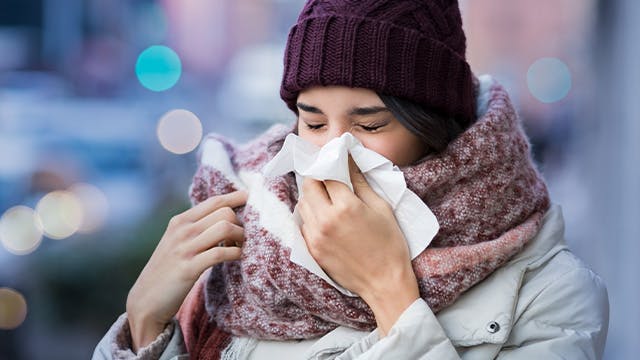
What makes winter respiratory infections harder for families to avoid?
During UK winters, families spend more time indoors at schools, offices, shops, buses and festive gatherings. Respiratory viruses spread through droplets and tiny airborne particles when people breathe, talk, cough or sneeze. People can also spread some viruses through contaminated hands and surfaces, especially in crowded, poorly ventilated indoor spaces. Families can reduce infection risks by improving ventilation, maintaining hygiene and practising healthy habits at home. (gov.uk)
Flu can come on suddenly and may cause fever, aching muscles, tiredness, sore throat, cough and headaches. Other respiratory infections can cause runny noses, blocked noses, sneezing, wheezing, chest tightness, breathlessness and general discomfort. Because symptoms often overlap, families should never assume an illness is simply a cold, especially around vulnerable relatives. Take extra care when protecting babies, young children, pregnant people, older adults and people with weakened immune systems. (nhs.uk)
The practical aim is to reduce the amount of virus people are exposed to, reduce the chance of passing infection on when someone is ill, and reduce the risk of severe illness in those most likely to become seriously unwell.
Vaccination is the strongest seasonal protection for eligible people
Vaccination helps UK families reduce winter flu and respiratory infection risks, especially when households include vulnerable relatives. Although vaccines cannot prevent every infection, they lower the risk of severe illness and serious complications. Vaccinating eligible family members helps protect babies, older adults, pregnant people and those with long-term health conditions. UKHSA guidance places vaccination first among practical actions to reduce respiratory infection risk. (gov.uk)
England’s 2026–2027 flu vaccination programme starts on 1 September for several eligible groups. These include pregnant people, children aged two or three on 31 August, and pupils from reception through year eleven. Children aged six months to under eighteen with eligible clinical risk conditions can also receive vaccination from September. From 1 October, eligibility expands to older adults, at-risk adults, care home residents, carers, healthcare workers and others. (gov.uk)
Eligibility is similar in broad outline in other UK nations, but details and delivery routes differ. Wales offers flu vaccinations during 2026–2027 to eligible children, pregnant people, older adults and other higher-risk groups. Eligible groups also include schoolchildren through year eleven, people with clinical risks, care home residents and carers. Scotland and Northern Ireland publish separate winter vaccination guidance and explain their local booking arrangements. Families should check their nation’s NHS guidance to confirm eligibility, appointment options and vaccination dates before booking. (gov.wales)
COVID-19 vaccination is more targeted than in earlier years. In England for autumn/winter 2026, NHS information says the COVID-19 vaccine is available to people aged 75 or over, residents in care homes for older adults, and people aged 6 months to 74 years who have a weakened immune system because of a health condition or treatment, with appointments available until 31 January 2027. (nhs.uk)

RSV vaccination is also relevant for some families. NHS guidance says the free RSV vaccine is offered to pregnant people from 28 weeks to help protect babies after birth, people aged 75 or over, people aged 65 to 74 with a weakened immune system or long-term lung condition, and residents in care homes for older adults. (nhs.uk)
A quick vaccine planning checklist
- Check each family member separately. Eligibility depends on age, pregnancy, health conditions, care responsibilities and occupational risk.
- Do not wait for a perfect combined appointment. If a vaccine is offered, ask whether it is better to take it now rather than delay.
- Ask about children’s routes. Some children are vaccinated through school, while younger children or children in risk groups may be invited through a GP surgery.
- Tell the vaccinator about allergies, current illness or previous reactions. Most eligible people can be vaccinated, but individual advice matters.
- Use official booking routes. Depending on the vaccine and nation, this may be through the NHS App, online booking, GP surgery, pharmacy, school team or maternity service.
Everyday habits that reduce spread at home and school
The basics still matter because they interrupt common routes of transmission. Washing hands with soap and water, using hand sanitiser when needed, covering coughs and sneezes, binning tissues promptly and cleaning frequently touched surfaces all help reduce the chance of passing respiratory viruses on. NHS flu advice also notes that flu germs from coughs and sneezes can live on hands and surfaces for a period of time, so hand and tissue habits are not just politeness; they are prevention. (nhs.uk)
For children, habits work best when they are made visible and easy. Keep tissues in school bags, bedrooms and the car. Put a small bin or bag where children actually use tissues. Teach them to cough into their elbow when a tissue is not available, and make handwashing part of predictable routines: after coming home, before eating, after using the toilet and after blowing their nose.
Ventilation is another practical layer. Open windows and doors regularly to bring fresh air indoors, especially when visitors gather or someone feels unwell. When someone has a respiratory infection, UKHSA recommends slightly opening their bedroom window and closing the door where possible. Ventilate shared spaces during use and keep windows open for at least ten minutes afterwards. (gov.uk)
Wear a face covering in crowded indoor spaces, especially when respiratory viruses circulate widely or you visit vulnerable people. If you have symptoms and must leave home, wear a face covering to reduce transmission risk. Follow school guidance, and never put face coverings on children under three because they pose safety risks. (gov.uk)
What should families do when someone becomes ill?
When someone develops symptoms of a respiratory infection and has a high temperature or feels too unwell for normal activities, they should try to stay at home and avoid contact with other people. This is especially important around babies, older adults, pregnant people and anyone with a weakened immune system or long-term medical condition. (gov.uk)
At home, make rest and fluids the priority. NHS advice for respiratory tract infections includes getting plenty of rest, drinking water, and using suitable painkillers to reduce fever or ease sore throat, headaches and muscle aches. Antibiotics do not work for viral infections such as flu or the common cold, so they should only be used when prescribed for a suspected or confirmed bacterial infection. (nhs.uk)
Try to reduce household spread without making family life impossible. If space allows, the unwell person can sleep separately for a short period, use their own towel, avoid preparing food for others, and spend less time in shared rooms. Open windows briefly and often, clean door handles and taps, and encourage everyone to wash hands after contact with tissues, cups or bedding.
A simple home response plan
- Pause and assess. Is this mild and manageable, or is the person breathless, unusually drowsy, dehydrated or worsening quickly?
- Separate where sensible. Reduce close contact with vulnerable household members.
- Improve air flow. Open a window slightly in the sick room and air shared spaces after use.
- Support recovery. Offer fluids, rest and age-appropriate symptom relief.
- Check official advice. Use NHS 111 online or call 111 if you are unsure, especially for children under 5 or higher-risk adults.
Symptoms that should prompt medical attention
Most winter respiratory infections improve with self-care, but some symptoms need urgent advice. Contact your GP urgently or call NHS 111 if flu-like symptoms concern you, especially when children become unwell. Seek medical advice for people aged 65 or older, pregnant people, recent mothers, or anyone with long-term conditions. Also seek help for weakened immunity, severe illness, breathlessness, or symptoms that persist beyond seven days. (nhs.uk)
Seek urgent medical help if symptoms are worsening rapidly or significantly, or if there is new or increased breathlessness, confusion, severe weakness, dehydration, or signs that a child is struggling to breathe or not feeding normally. RSV in babies can become more serious if there is worsening cough, shortness of breath, faster breathing or long gaps between breaths. (nice.org.uk)
Call 999 or go to A&E for emergency symptoms such as sudden chest pain, severe difficulty breathing, gasping, choking, being unable to speak in full words, or coughing up blood. Do not drive yourself to A&E in an emergency; ask someone else to drive or call 999 for an ambulance. (nhs.uk)

Protecting higher-risk relatives and visitors
Many families mix generations during winter. A child may only have a runny nose, while a grandparent, newborn or immunosuppressed relative could face a much higher risk from the same infection. Before visiting someone vulnerable, check whether anyone in your household has fever, a new cough, sore throat, diarrhoea, vomiting or generally feels unwell.
If a visit matters and cannot be delayed, reduce the risk: meet for a shorter time, ventilate the room, wash hands on arrival, avoid close face-to-face contact, and consider wearing a well-fitting face covering. If you are meeting indoors, fresh air is particularly helpful because virus particles build up more easily in enclosed spaces. (gov.uk)
It is also worth planning ahead for childcare and work disruption. Keep basic supplies at home, know your school or nursery illness policy, and identify who can help with food, medicines or school runs if a parent becomes ill. These small decisions make it easier to stay home when needed, which protects others as well as supporting recovery.
The takeaway for a healthier winter
Winter infections cannot be avoided completely, but families can lower the odds and reduce the impact. The most reliable approach is layered: take up NHS vaccinations when eligible, improve ventilation, keep hand and tissue habits consistent, stay home when unwell, protect higher-risk relatives and know when to seek help.
For winter in the UK: reducing the risk of flu and other respiratory infections for families is about practical choices repeated often, not panic or perfection. Before sharing or using this guidance, check the latest NHS information for your UK nation and speak to a GP, pharmacist, midwife or specialist clinician if you need advice for your family’s circumstances.
