
Making a successful film in the modern age requires more than just a good camera; it requires a deep understanding of storytelling and project management. For independent filmmakers, the barriers to entry have never been lower, but the competition has never been higher. This guide provides the essential roadmap to help you navigate the journey from initial concept to the big screen.
Have you ever wondered how movies are made? It all starts with an idea. But getting that idea onto the big screen takes a lot of work. The journey from a script to a movie involves many steps.
1. Development: The First Step
The first part of making a movie is called Development. This is where everything begins. Filmmakers start with an idea, which they turn into a script. The script is like a blueprint for the movie; it contains the story, characters, and scenes.
In this stage, filmmakers think about what the movie will look like. They decide on the story, who the characters are, and what the movie’s theme will be.
Once the script is ready, filmmakers start making a plan. They determine where the movie will be filmed, how much it will cost, and who will be involved. They also need to find people to invest in the movie.
2. Pre-Production: Getting Ready to Film
After the script and plan are ready, filmmakers move to Pre-Production, the planning stage before the cameras start rolling. In Pre-Production, filmmakers focus on preparing everything for filming, including choosing the right actors, finding filming locations, and designing the sets.
Key Tasks in Pre-Production
- Casting: Filmmakers need to find the right actors for each role. They look for people who fit the characters and can act well.
- Location Scouting: Filmmakers visit different places to see where they can film. This could be a house, a park, or a busy city street.
- Costumes and Set Design: Designers ensure that the characters’ clothes match the story and design the sets where the movie will be filmed.
3. Production: Filming the Movie
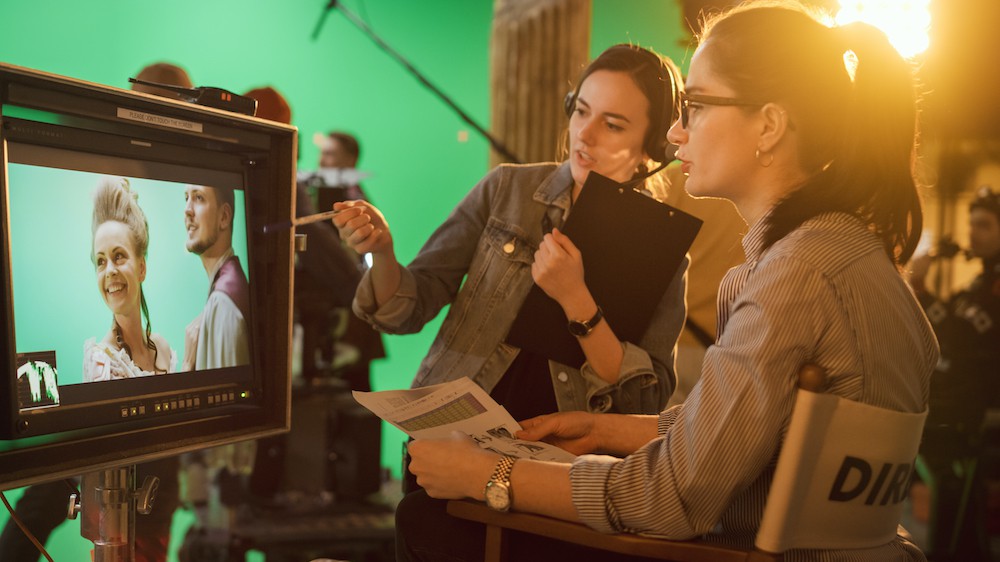
Now comes the exciting part: production. This is when the movie is filmed. In Production, filmmakers use cameras, lights, and sound equipment to capture scenes from the script. The director works closely with the actors to ensure the best performances.
Key Tasks in Production
- Filming Scenes: The director tells the actors what to do, and then they film each scene individually.
- Directing the Actors: The director helps the actors perform their roles. For example, the director might tell an actor to be sad, happy, or angry in a scene.
- Technical Setup: Technicians set up cameras, lights, and sound equipment. This is essential for making the movie look and sound great.
Sometimes, things don’t go as planned. Bad weather, technical problems, or actors getting sick can cause delays. Filmmakers need to solve these problems quickly. This stage is where the movie starts to take shape. It’s the heart of filmmaking. Without good filming, all the planning won’t matter.
4. Post-Production
Once the filming is done, filmmakers move to Post-Production, which is where the magic happens. Post-production involves editing the footage and adding sound and effects. Filmmakers work with editors to put all the scenes together, editing the film to make the story flow smoothly. They also add special effects, music, and sound.
Key Tasks in Post-Production
- Editing: Editors cut and arrange the film, ensuring the scenes connect well and the story makes sense.
- Sound: Filmmakers add sound effects and music to the movie. Music sets the mood, and sound effects make the film more real.
- Visual Effects (VFX): They are added here if the movie needs special effects. This could be anything from a computer-generated monster to a space battle.
5. Marketing and Distribution: Sharing the Movie
After Post-Production, the movie is ready for the world. The final stage is Marketing and Distribution. Filmmakers need to get the movie out to the public. They do this by sharing it at film festivals, showing it in theatres, or putting it on streaming platforms like Netflix or Amazon.
Key Tasks in Marketing and Distribution
- Film Festivals: Filmmakers may send their movies to festivals. This can help get attention and attract distributors.
- Streaming Platforms: Once a movie is ready, filmmakers may release it on streaming platforms like Netflix or Amazon, which allows people worldwide to watch it.
- Marketing: To attract viewers, filmmakers create trailers, posters, and online ads. Social media is also a great way to promote the movie.
Conclusion
Making a movie is an exciting and complex process. It starts with an idea, and filmmakers bring it to life through careful planning and hard work. Every stage is important, from development to marketing and distribution. The next time you watch a movie, you’ll better understand all the steps that made it possible. Whether you want to make your movie or just appreciate the work that goes into filmmaking, knowing the production process will make you look at films differently.
So, what’s your favourite part of the movie-making process?
Thank you for reading, click the link to read more of our Most Recent Articles
From Idea to Audience: The Whole Journey
Making a successful film in the modern age requires more than just a good camera, and it all starts with an idea, in five stages. In development, filmmakers decide on the story and, once the script is ready, start making a plan, including where the movie will be filmed. In pre-production, casting finds the right actors for each role, location scouting finds where to film, and costumes and set design match the characters’ clothes to the story.
Production is exciting, when the director tells the actors what to do and they film each scene, with technicians setting up cameras, lights and sound equipment, although sometimes things do not go as planned, with bad weather, technical problems or actors getting sick. After filming, post-production brings editing, sound effects and music, and visual effects if needed, before marketing and distribution through film festivals, streaming platforms, trailers, posters and online marketing. See also Crafting Your Career in Film: How to Start and Succeed and Nollywood Is Coming to Leicester Square, and Lagos Is Where Its Business Gets Done.
