
Relationships play a big role in our lives. They should make us happy, feel loved, and help us grow. But not every relationship is good for us. Some relationships can harm our mental and emotional health. Toxic relationships can leave us feeling sad, stressed, or scared. Spotting the early signs of a toxic relationship is very important. It helps you protect your well-being and happiness.
What Are Red Flags?
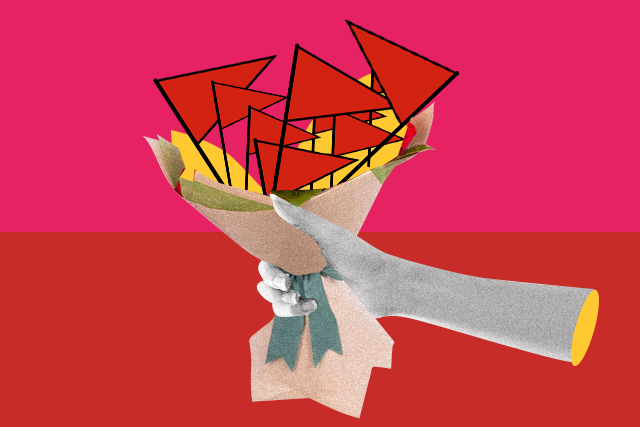
Red flags are warning signs. They show that a person or relationship may be harmful to your well-being. These signs can be small at first. Over time, they can become bigger problems.
It is very important to pay attention to these signs. Healthy relationships make us feel supported and happy, while toxic ones do the opposite.
Common Warning Signs of a Toxic Relationship
It’s not always easy to tell when a relationship is unhealthy. Here are some common red flags to watch for.
1. Controlling Behaviour
Controlling behaviour is a major red flag. This happens when someone tries to decide everything for you. They may tell you what to wear or who to spend time with. They might check your phone often or demand to know where you are.
This behaviour shows that they don’t respect your choices. It can take away your freedom and make you feel trapped.
2. Jealousy and Possessiveness
A little jealousy can happen in relationships. But constant jealousy is a problem. This includes accusing you of lying or getting upset when you talk to others. They might get angry if you spend time with friends or family.
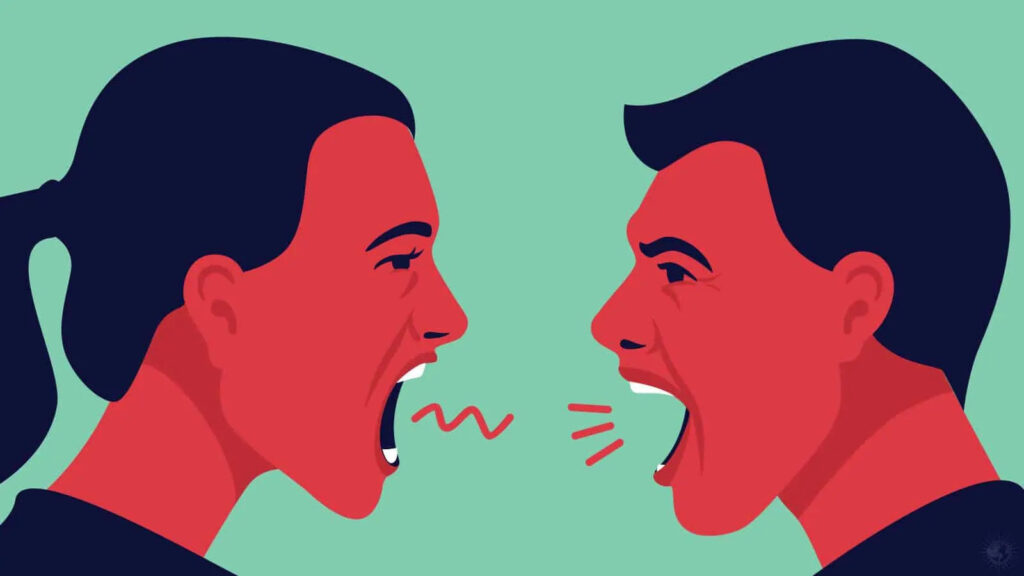
3. Toxic Communication
Healthy relationships require kind and respectful conversations. Toxic communication, on the other hand, includes shouting, sarcasm, or constant criticism.
When someone mocks your feelings or opinions, it can hurt your confidence. It’s hard to build trust in such an environment.
4. Gaslighting
Gaslighting is a sneaky form of emotional abuse. It happens when someone makes you doubt what you know is true. They might deny saying something or insist you’re “imagining things.”
5. Lack of Support
Support is vital in relationships. A toxic partner may laugh at your goals or dismiss your successes. They may try to compete instead of cheering for you. This lack of emotional backing can leave you feeling alone and undervalued.
6. Walking on Eggshells
Are you scared to speak up because of how they might react? That’s a sign of trouble. You might avoid talking about problems to prevent arguments. Healthy relationships don’t make you feel scared, to be honest.
7. Love Bombing
At first, love bombing feels amazing. They shower you with gifts or endless attention. But this can be a tactic to gain control. Eventually, their behaviour may change, and they could start acting selfish or manipulative.
The Impact of a Toxic Relationship
Toxic relationships can hurt you in many ways.
- Mental Health Effects
Living with constant stress can lead to anxiety or depression. Toxic relationships leave you feeling tired and unhappy most of the time.
- Social Life
You may find yourself spending less time with friends and family. Your partner might discourage you from connecting with loved ones, which can worsen your social isolation.
- Self-Worth
Toxic relationships often make you feel small. You might think you’re always wrong or “not good enough.”
How to Respond to Red Flags
It’s hard to deal with toxic relationships, but it’s not impossible. Here are some steps you can take if you notice red flags.
- If something feels wrong, trust your gut. Your feelings are valid. If you don’t feel safe or happy, pay attention to that.
- Talk to your partner about how their actions affect you. Be calm and clear, and use simple examples. But remember, they must be willing to listen and change.
- Make clear rules about what behaviour is and isn’t okay. Don’t hesitate to leave if your boundaries aren’t respected.
- Speak to family or friends you trust. Their advice and emotional support can help you make the right decision. Professionals like therapists can also guide you.
- Sometimes, the best choice is to walk away. Prioritize your happiness and safety. Leaving can be hard, but it means choosing a better future for yourself.
Final Thoughts
Red flags can be hard to see, especially if you love someone. But no one deserves to stay in a toxic relationship. You deserve love, respect, and happiness. If you notice red flags, take action. Speak up, seek help, or walk away if needed. A healthy relationship will lift you, not bring you down.
Remember, your well-being matters the most. Look after yourself and choose people who bring positivity into your life.
Thank you for reading, click the link to read more of our Advice articles
