
Every generation seems to meet a new music technology with the same anxious prediction: this will be the death of music. Synthesisers were accused of replacing “real” instruments, sparking fears that technology would diminish traditional musicianship and performance forever. Sampling was treated by some as theft rather than invention, while DAWs were blamed for making musicians inauthentic.
AI continues this pattern, but it also sharpens the question: are we using technology to extend human imagination, or are we handing over the role of creator altogether?
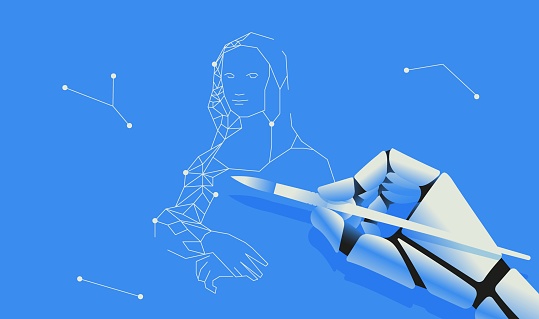
That is the useful way to approach AI as Tool or AI as Creator: why new music tech is always feared—and what matters is who’s in charge. The debate is not simply whether AI belongs in music. It is about authorship, control, labour, ethics and the expectations listeners bring to a song before they press play.
Is AI just another music technology people are afraid of?
Yes, in one sense AI is part of a long line of technologies that frightened musicians, critics and audiences before becoming normal parts of musical culture. The piano was once a disruptive machine, recording changed the value of live performance, electric guitars provoked suspicion, synthesisers altered the idea of instrumental skill, sampling challenged assumptions about originality, and computer-based production made the studio available to far more people.
The fear usually follows a familiar pattern. A new tool arrives, it seems to make something easier, and people worry that ease will destroy craft. Then artists learn the tool’s limits, bend it towards their own taste, and create styles that could not have existed without it. What looked like a shortcut becomes a language.
AI in music creation fits that story, but not perfectly. A synthesiser does not decide what song to write. A sampler does not automatically choose the emotional centre of a track. A DAW can help arrange, edit and mix, but it does not claim to be the artist. AI music tools can sit inside that same tool tradition, yet they can also generate melodies, lyrics, performances, stems or whole tracks from a prompt. That is why the argument feels more charged.
The real line is between assistance and authorship
The most important distinction is not “AI versus no AI”. It is whether AI is assisting a human to finish a song, or whether AI is autonomously writing, performing and producing a record in a way that shifts authorship away from a person.
When AI functions as a tool, a human remains in charge of intention. A songwriter might use it to test chord variations, generate a placeholder drum groove, clean up a vocal take, separate stems from an old demo, suggest mix references, or help overcome a blank-page moment. In that context, AI music production is a practical extension of the studio. The artist still chooses what matters, rejects what feels wrong, edits the output, and decides when the work is finished.
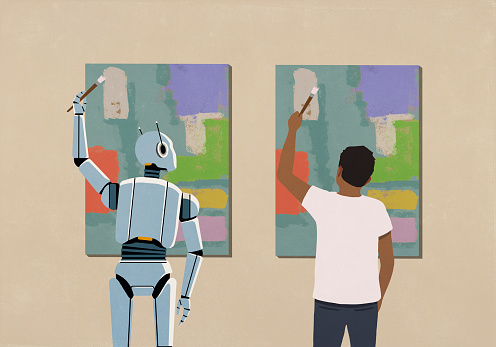
When AI acts as the creator, the situation changes. If a system writes the song, produces the arrangement, generates the voice, performs the instruments and delivers the final master with minimal human direction, then the human role may become closer to commissioning, curating or branding. That is not a small technical difference. It changes who gets credit, who gets paid, who is accountable, and what listeners believe they are hearing.
A helpful way to separate the two is to ask:
- Who formed the artistic intention? Was there a human idea, feeling or message driving the work?
- Who made the meaningful choices? Did a person shape the melody, lyrics, sound, structure and performance?
- Who can explain the creative decisions? Can the artist say why the bridge lifts, why the vocal is fragile, why the bass stays sparse?
- Who is being represented to the listener? Is this presented as a human artist’s work, a collaborative experiment, or a fully generated product?
The answers matter more than the presence of software. Music has always used tools. The deeper question is whether the tool serves the artist, or the artist becomes a label attached to the tool’s output.
AI as a tool can protect momentum
Used carefully, AI can help musicians keep moving. Many songs fail not because the idea is weak, but because the process stalls. A chorus does not land. A demo sounds too thin. A lyric needs another angle. A producer hears the direction but cannot yet locate the texture. In those moments, AI music tools can generate options quickly enough to keep the creative conversation alive.
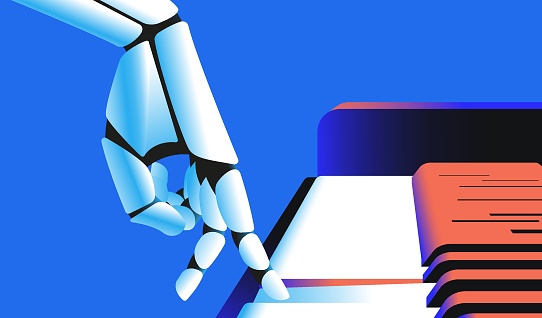
This does not make the machine the songwriter. It makes it a sketchpad, assistant or sparring partner. The value lies in speed, contrast and possibility. A producer can ask for several rhythmic feels, then keep none of them but discover what the track should avoid. A vocalist can try harmony shapes before calling in singers. A band can use stem separation to revisit a rough rehearsal and build from a moment that would otherwise be lost.
The best use cases tend to keep human judgement at the centre:
- Idea generation: exploring lyrical themes, chord colours, arrangement routes or sound palettes without committing to them.
- Demo development: turning a rough voice note into something clearer for collaborators to understand.
- Editing and repair: cleaning noise, tightening timing, separating stems or organising sessions.
- Learning and analysis: identifying production techniques, comparing mixes, or understanding why a section feels crowded.
- Accessibility: helping creators with limited equipment, physical constraints or technical confidence express ideas more fully.
In each case, AI supports the human act of choosing. It may widen the doorway into production, but the musician still decides what enters the room.
What changes when AI becomes the creator?
When AI becomes the creator, music risks becoming detached from the labour, experience and accountability that listeners often assume are behind it. A fully generated record can still sound polished, moving or catchy, but the relationship between sound and source becomes less clear.
Authorship is the first pressure point. If a track is generated from a prompt, does authorship belong to the prompt writer, the model developer, the owners of the training data, the platform, or no one in the traditional sense? The answer may vary by context, but the uncertainty itself affects how music is valued. Songs are not only audio files. They are also stories about who made them, why they exist, and what kind of human presence they carry.
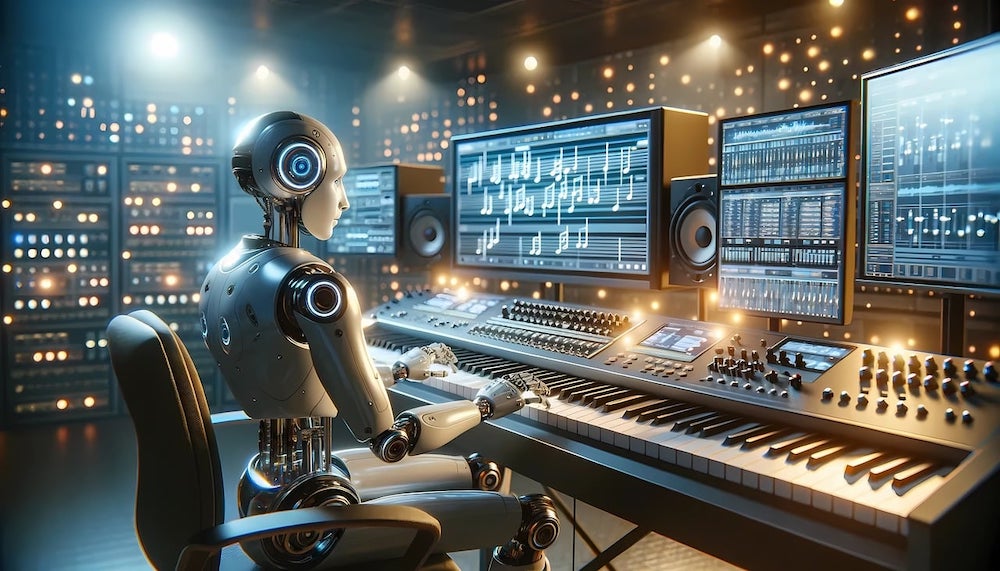
Control is the second issue. Human creators often make work by resisting the obvious choice.
A singer leaves the vocal imperfect because the crack in the voice tells the truth. The artist strips the chorus down instead of making it bigger. The songwriter keeps an awkward lyric because it belongs to the character of the song.
AI systems can imitate patterns, but the question is whether they can own those decisions in any meaningful artistic sense.
Labour is the third concern. Music is an ecosystem, not just a file at the end of a process. Session players, engineers, producers, arrangers, vocalists, composers, editors and songwriters all contribute skill that may become less visible if clients or platforms choose automated output by default. AI can remove tedious tasks, but it can also be used to reduce opportunities for people who need paid work to build careers and craft.
Ethics sits across all of this. Musicians are rightly concerned about consent, attribution and compensation, especially where systems learn from existing recordings or mimic recognisable voices and styles. Even when a use is technically possible, it may feel exploitative if it borrows from artists without permission or misleads listeners into believing a real person performed something they did not.
Listeners care about more than sound
It is tempting to say that only the final track matters: if it sounds good, it is good. Sometimes listeners do behave that way. Pop music, dance music and background playlists often reward immediate feeling, texture and momentum. A listener may not ask how a snare was made if the groove works.
But music also depends on trust. People form attachments to artists because they believe there is a person, a scene, a struggle, a craft or a point of view behind the sound. A heartbreak song lands differently when listeners think it comes from lived experience. A punk record carries different force when it feels like a real band in a real room. A dance track may gain meaning because of the community and labour behind it.
AI complicates those expectations. If listeners later discover that a supposedly human vocal was generated, or that an artist’s image was used to front mostly automated work, they may feel deceived. On the other hand, if a project is clearly presented as an AI collaboration or experiment, audiences may judge it by different rules. Transparency does not solve every ethical issue, but it helps listeners understand the relationship they are entering.
For creators, the practical lesson is simple:
- Be honest about the role AI played when it is central to the work’s identity.
- Avoid passing generated performances off as human performances if that would mislead the audience.
- Protect the parts of your process that make the music yours, whether that is writing, singing, producing, editing or directing.
- Use AI to strengthen your intention, not to replace having one.
- Consider the wider chain of people affected before choosing automation purely because it is cheaper or faster.
A balanced way to use AI in music production
The strongest position is neither panic nor blind enthusiasm. AI is not automatically the death of music, and it is not automatically a miracle. Like earlier technologies, it becomes meaningful through the choices people make around it.
Songwriters might turn to AI when creative blocks hit, then reshape the lyrics until they sound lived-in. Producers may rely on AI-assisted separation or restoration, while trusting their ears to guide arrangement and mixing decisions. Independent artists could build stronger demos with AI before involving collaborators. Educators might demonstrate how students can analyse, refine, and question generated material instead of accepting it at face value.
A useful boundary is to keep three things human wherever possible:
- Intention: the reason the song exists.
- Taste: the ability to choose what feels right, surprising or emotionally true.
- Responsibility: the willingness to stand behind the result.
If those remain human, AI can be a powerful part of the process without becoming the point of the process. If those are handed over entirely, then the conversation has moved from tools to replacement.
The future depends on who stays in charge
The history of music technology suggests that fear alone rarely stops change. Synthesisers did not end musicianship. Sampling did not end originality. DAWs did not end performance, arrangement or taste. Each changed what skill looked like, who could participate, and what listeners learned to value.
AI will do the same, but the stakes are higher because it can appear to perform the role of creator rather than simply expand the creator’s toolkit. That is why the most useful debate is not whether AI should ever touch music. It is how openly, ethically and intentionally it is used.
The future of music will not be decided by software alone. It will be shaped by artists who set boundaries, listeners who ask better questions, platforms that choose transparency, and communities that continue to value human imagination. AI can help finish a song, reveal a new direction or make production more accessible. The danger begins when convenience is allowed to disguise a loss of authorship, labour and trust.
Activity: What would you use AI for?
